
Why Your Invisalign Aligners Change Every Two Weeks
August 31, 2026
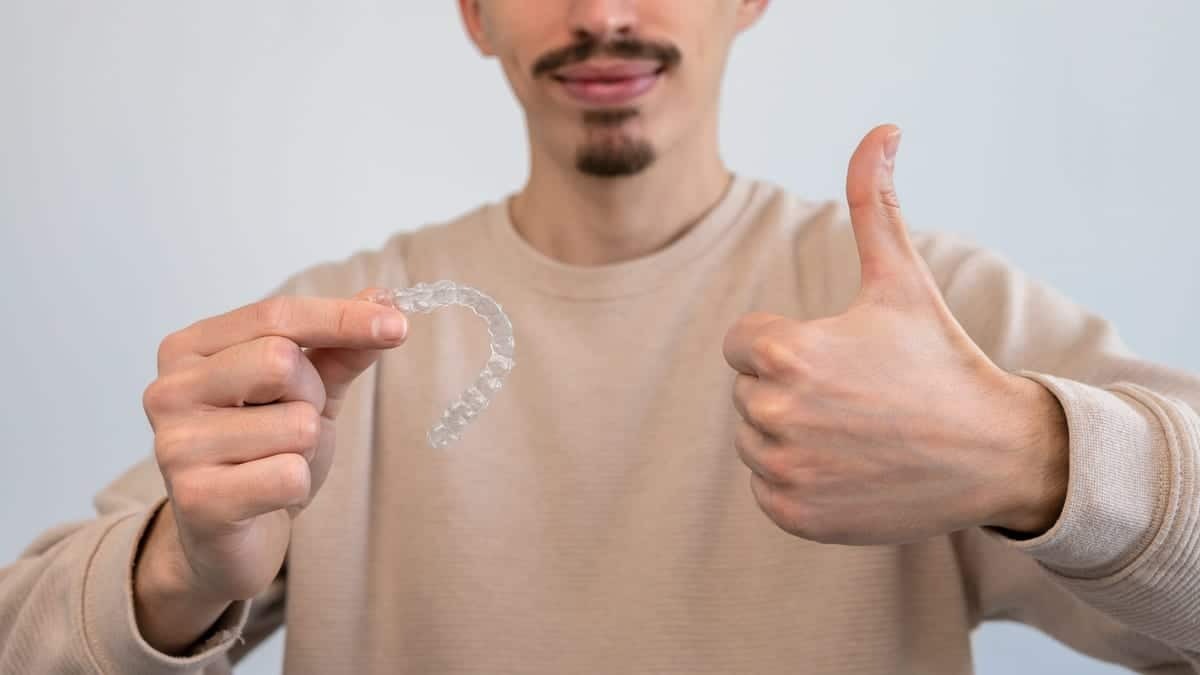
If you’re considering Invisalign in Roseville, you’ve probably heard about the two-week aligner change schedule. Many patients wonder why that timeline matters so much. Understanding why your Invisalign aligners change every two weeks Roseville patients ask about can actually help you stay on track with your treatment. This guide breaks down the science, the schedule, and what makes Invisalign so effective.
How Invisalign Moves Teeth Step by Step
Invisalign works through a series of custom-made plastic aligners. Each aligner is slightly different from the last. These small differences apply gentle, controlled pressure to specific teeth. Over time, that pressure gradually shifts your teeth into their ideal positions.
Before your treatment begins, Dr. Marc Dunn uses advanced 3D imaging to map your entire tooth movement journey. This map determines exactly how many aligners you’ll need. It also shows the precise sequence in which your teeth will move. Every aligner in that series is designed with that end goal in mind.
Your teeth respond to pressure by remodeling the surrounding bone. This is called bone remodeling, and it’s the same biological process that makes all Orthodontics Roseville treatments work. Without this process, no orthodontic treatment — Invisalign or otherwise — would be possible.
Why the Two-Week Schedule Works for Roseville Patients
The two-week interval is not arbitrary. It’s based on the biology of how teeth move safely. Bone remodeling takes time, and switching aligners too fast can stress your teeth and roots. Waiting too long slows your progress unnecessarily.
Research shows that teeth move most efficiently during the first one to two weeks of wearing a new aligner. After that window, the aligner has done most of its work. Switching to the next tray keeps the momentum going. This is why your Invisalign aligners change every two weeks — it matches your body’s natural pace.
Some patients with certain treatment plans may switch every seven to ten days. Dr. Dunn will review your specific case and recommend the schedule that’s right for you. Always follow the schedule your orthodontist provides. Skipping ahead can compromise your results.
- Each aligner moves teeth roughly 0.25 millimeters
- The two-week window aligns with natural bone remodeling cycles
- Consistent wear for 20–22 hours per day is essential
- Skipping or rushing trays can create gaps in your progress
- Your final results depend on following each step precisely
The Role of Attachments and Precision in Your Treatment
Some Invisalign patients need small tooth-colored bumps called attachments. These are bonded directly onto certain teeth. Attachments give the aligner something to grip, allowing more complex movements. Without them, some rotations and tilts would be impossible to achieve.
Attachments are carefully placed based on your 3D treatment plan. Dr. Dunn will explain which teeth need them and why. You may not need them at all, depending on your case. But if you do, they blend naturally with your tooth color and are barely noticeable.
Rubber bands, or elastics, are sometimes used alongside Invisalign. These help correct bite issues that aligners alone cannot fully address. Like traditional About Braces Roseville, bite correction is a key part of a complete orthodontic outcome. Dr. Dunn integrates these tools seamlessly into your personalized plan.
- Attachments allow precise control of individual tooth movements
- They are made to match your natural tooth shade
- Elastics help align your upper and lower jaw together
- Both tools are planned before treatment even begins
- Removing attachments at the end is quick and painless
What Refinements Mean and When You Might Need Them
Refinements are additional sets of aligners made after your original series is complete. Not every patient needs them. But they’re a normal and expected part of many Invisalign treatments. They fine-tune the results and ensure your teeth finish in exactly the right position.
Your teeth may not move exactly as predicted in every case. Biology varies from person to person. Refinements allow Dr. Dunn to recalibrate your treatment based on how your teeth have actually moved. Think of them as a course correction, not a setback.
Refinements require new impressions or scans of your teeth. A new set of aligners is then fabricated. The two-week change schedule still applies during this phase. Patience during refinements pays off with a more precise, lasting result.
Tips for Getting the Most Out of Every Aligner Change
Wearing your aligners for the recommended 20 to 22 hours per day is non-negotiable. This ensures the aligner has enough time to do its job. Removing them only for eating, drinking anything other than water, and brushing keeps you on track. Consistent wear is the single biggest factor in your success.
Start each new aligner at night before bed. Your teeth may feel sore for the first day or two as they adjust. Sleeping through that initial pressure period makes the transition much easier. By morning, the discomfort usually fades significantly.
Keep your aligners clean and store them properly when not in use. A dirty aligner can cause bacteria to press against your teeth for hours. Rinse them with cool water and use a soft toothbrush to clean them. Avoid hot water, which can warp the plastic material.
Frequently Asked Questions
Why do Invisalign aligners need to change every two weeks?
Each aligner is designed to move your teeth a small, precise amount. After about two weeks, the aligner has completed that movement. Switching to the next tray keeps your treatment progressing at the right pace. This schedule aligns with the natural biological process of bone remodeling around your teeth.
What happens if I switch my aligners too early?
Switching too early can apply too much force before your teeth are ready to move. This can cause discomfort and may even damage your tooth roots over time. Always follow the schedule that Dr. Dunn recommends for your specific treatment plan. Rushing the process can lead to less accurate results.
Do I need attachments with Invisalign?
Not every patient needs attachments. They are used when teeth require more complex movements, such as rotations or significant tilts. Dr. Dunn will let you know during your initial consultation whether attachments will be part of your plan. They are tooth-colored and designed to be as discreet as possible.
What are Invisalign refinements and are they common?
Refinements are additional aligners created after your original series ends. They fine-tune the final positioning of your teeth. Many patients go through at least one round of refinements. They are a normal part of the Invisalign process and not a sign that something went wrong.
How do I know if Invisalign is right for me in Roseville?
The best way to find out is to schedule a consultation with Dr. Marc Dunn at Dunn Orthodontics in Roseville, CA. He will evaluate your teeth, bite, and goals to determine whether Invisalign fits your needs. Many teens and adults in Roseville are excellent candidates for Invisalign treatment. Book Now to schedule your appointment with our team.
Recent Posts
October 27, 2026
Why Does Your Bite Feel Uneven? The Orthodontic Problem You May Be Missing
October 16, 2026
Braces After 40: Is It Too Late to Correct Years of Crooked Teeth?
October 16, 2026
One Tooth Sticking Out? When a Small Alignment Problem Needs Attention
October 16, 2026
Can Invisalign Fix an Overbite, or Do You Really Need Braces?
October 16, 2026
Does Your Child Have an Underbite? What Parents Need to Know Before Age 10
Categories
Dental Health (6)