
One Tooth Sticking Out? When a Small Alignment Problem Needs Attention
October 16, 2026
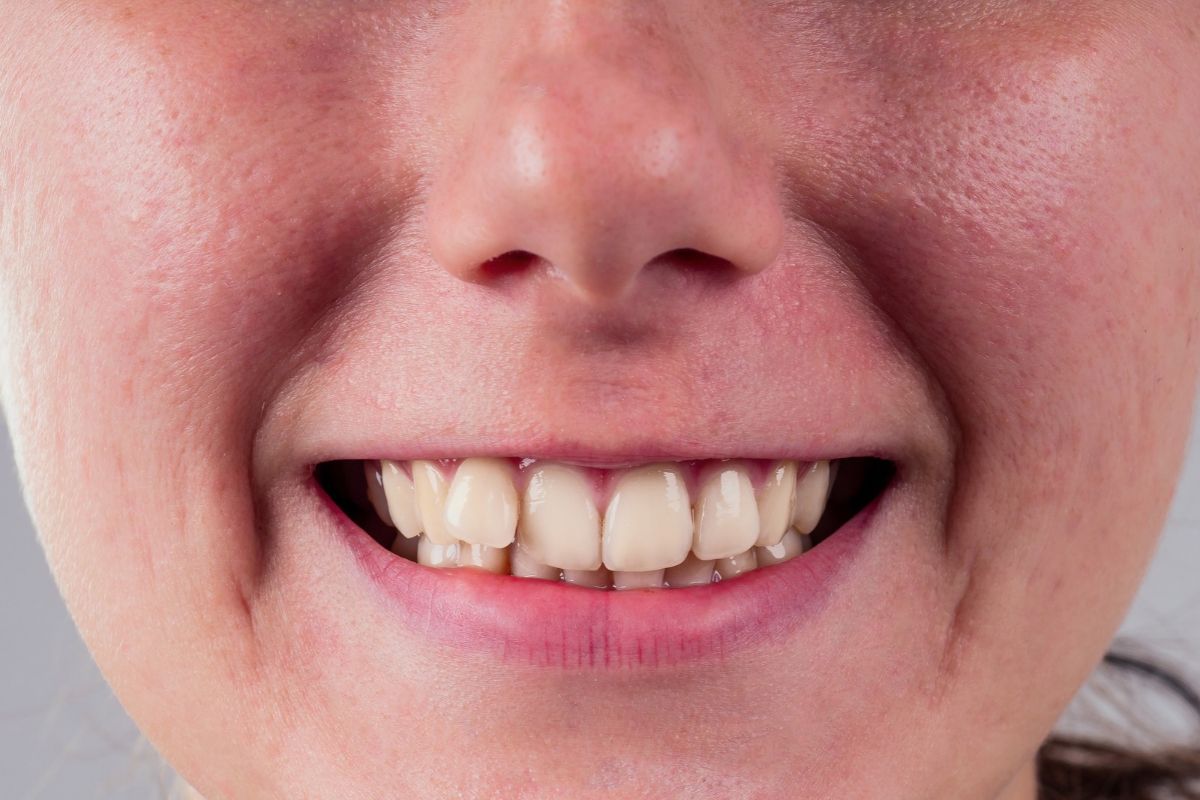
Sometimes, one tooth is enough to make you feel uncomfortable about your smile. It may sit farther forward than the others, appear rotated, or show up in photos.
A protruding tooth may seem like a minor cosmetic issue. However, its position can sometimes affect your bite or make the tooth more vulnerable to injury.
At Dunn Orthodontics, patients in Roseville can have protruding teeth evaluated to understand whether orthodontic correction is necessary.
Why Does One Tooth Stick Out?
A tooth can protrude for several reasons.
Limited Space in the Dental Arch
When neighboring teeth take up too much space, one tooth may emerge outside normal alignment.
This commonly affects front teeth.
Differences in Tooth Eruption
Permanent teeth do not always erupt into ideal positions.
A tooth may appear farther forward or backward than its neighbors.
Previous Tooth Movement
Teeth can shift after orthodontic treatment, especially when retainers are not worn as directed.
A previously corrected tooth may gradually become more prominent.
Bite Relationships
How upper and lower teeth meet can influence tooth position.
In some cases, the protruding tooth is part of a larger bite problem.
Is a Protruding Front Tooth Dangerous?
Not every protruding tooth requires treatment.
However, significantly protruding upper front teeth may have an increased risk of injury during falls, sports, or accidents. The tooth’s position may also make cleaning certain areas more difficult.
Some patients experience uneven tooth contact when biting. An orthodontic evaluation helps determine whether the concern is cosmetic, functional, or both.
Can One Protruding Tooth Affect Your Bite?
Yes, although this depends on the tooth’s position. A tooth that sits outside the normal dental arch may contact opposing teeth differently.
It may also contribute to crowding or make certain biting movements uncomfortable. In other cases, the bite remains healthy despite the visible irregularity.
This is why treatment should not focus on appearance alone. The entire dental arch and bite need to be evaluated.
Can Braces Move One Tooth Back Into Position?
Braces can correct protruding and rotated teeth. However, moving one tooth often requires adjustments to neighboring teeth.
Orthodontic treatment involves coordinated movement across the dental arch. For example, space may need to be created before a protruding tooth can move into alignment.
The orthodontist also considers how the corrected tooth will contact the opposing teeth.
Can Invisalign Correct a Single Protruding Tooth?
Invisalign may be appropriate for certain localized alignment concerns. Clear aligners move teeth gradually, following a planned sequence.
However, a tooth that appears to be the only problem may require several additional movements to achieve a stable result. Some cases need attachments or other treatment features.
At Dunn Orthodontics, Dr. Dunn evaluates the protruding tooth’s position and the surrounding bite before recommending braces or aligners.
Does treating one tooth take less time?
Not always; a single visibly misaligned tooth may involve crowding, spacing, or bite issues.
If space needs to be created, treatment can involve more teeth than expected. A minor alignment concern may sometimes be corrected relatively quickly.
However, treatment duration cannot be estimated accurately from appearance alone. Patients should be cautious about promises of extremely fast correction without a complete examination.
What About Protruding Teeth in Children?
Children with noticeably protruding upper front teeth should receive an orthodontic evaluation. These teeth may be more exposed during falls or physical activities.
Depending on the child’s age and dental development, early treatment may be considered. Other children may benefit from observation until additional permanent teeth appear.
The timing should be based on clinical need rather than appearance alone.
When Should You Schedule an Orthodontic Consultation?
Consider an evaluation if the protruding tooth is becoming more noticeable, interferes with biting, or is difficult to clean. Parents should also seek advice when a child’s front teeth project significantly forward. Patients from Roseville, Rocklin, Lincoln, and nearby communities can discuss these concerns with an orthodontist.
An examination can clarify whether treatment would be beneficial.
Make That One Tooth Less of a Concern
A single protruding tooth may have a simple explanation, or it may be connected to a larger alignment issue. At Dunn Orthodontics, Dr. Dunn evaluates tooth positions and bite relationships to help patients understand their treatment choices.
Call (916) 788-0202 to schedule an orthodontic consultation in Roseville, CA.
Frequently Asked Questions
1. Can braces fix just one crooked tooth?
Yes, braces can correct a single visibly crooked tooth. However, neighboring teeth may also need movement to create space and maintain a healthy bite.
2. Can Invisalign push one front tooth backward?
Invisalign can move certain protruding teeth. The amount and type of movement required determine whether aligners are appropriate.
3. Where can I get a protruding tooth checked in Roseville?
Patients in Roseville can schedule an orthodontic evaluation to assess the tooth’s position and discuss treatment options.
4. Will a protruding tooth get worse with age?
It may remain stable or change over time. Several factors, including crowding, dental development, and previous orthodontic treatment, affect tooth movement.
5. Can teenagers from Granite Bay receive treatment for protruding teeth?
Yes. Teenagers from Granite Bay and nearby communities can receive an orthodontic evaluation in Roseville to discuss correction options.
6. Is treatment necessary if only one tooth looks crooked?
Not always. Treatment may be optional when the concern is primarily cosmetic. An orthodontist can assess whether the tooth also affects function or oral hygiene.
Recent Posts
October 27, 2026
Why Does Your Bite Feel Uneven? The Orthodontic Problem You May Be Missing
October 16, 2026
Braces After 40: Is It Too Late to Correct Years of Crooked Teeth?
October 16, 2026
One Tooth Sticking Out? When a Small Alignment Problem Needs Attention
October 16, 2026
Can Invisalign Fix an Overbite, or Do You Really Need Braces?
October 16, 2026
Does Your Child Have an Underbite? What Parents Need to Know Before Age 10
Categories
Orthodontics (51)