
Braces After 40: Is It Too Late to Correct Years of Crooked Teeth?
October 16, 2026
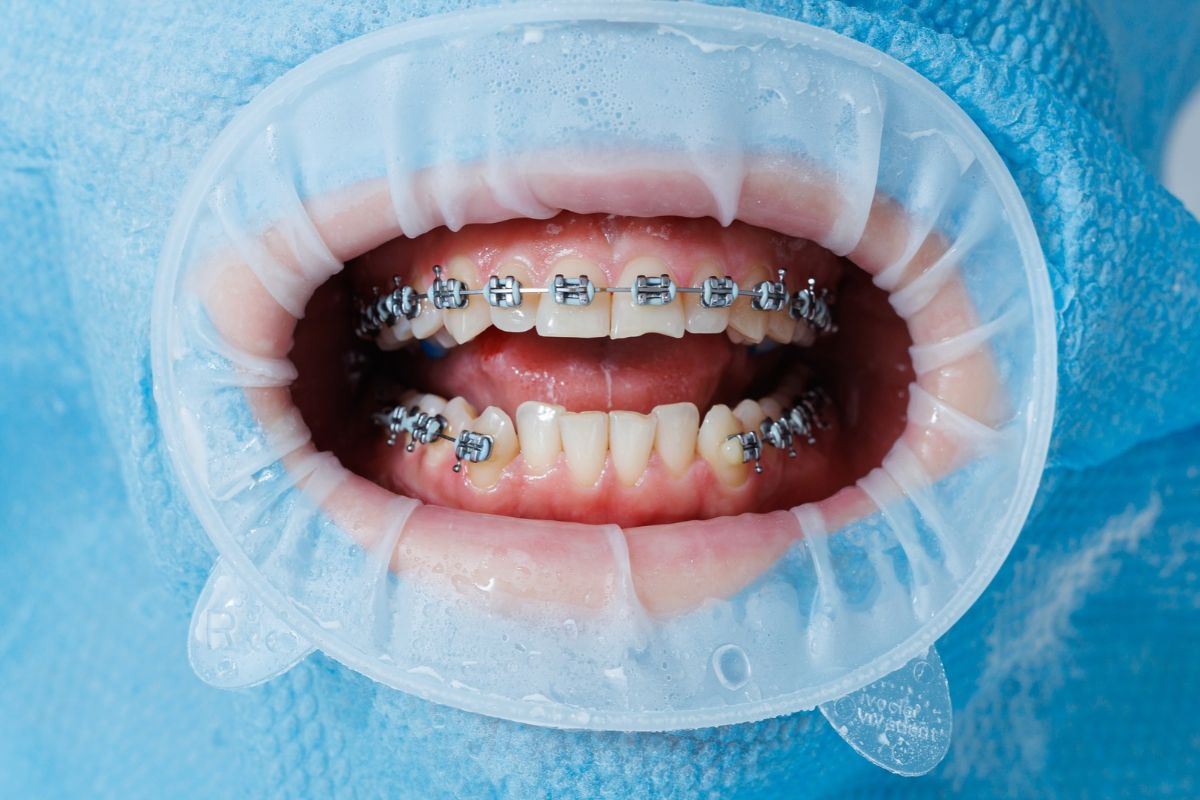
You may have wanted straighter teeth for years but never found the right time for orthodontic treatment. Now that you are in your forties, you might wonder whether braces are still worth considering.
Age alone does not prevent successful orthodontic treatment.
At Dunn Orthodontics, adults in Roseville can explore treatment options for crooked teeth, spacing problems, and bite concerns.
Before starting, it helps to understand how adult orthodontics differs from childhood treatment.
Can Teeth Still Move After Age 40?
Yes. Teeth can move throughout adulthood because the bone and supporting tissues around them respond to controlled orthodontic forces.
Braces and clear aligners use these forces to guide teeth into planned positions.
However, adult patients have completed most or all of their jaw growth.
This means orthodontists cannot rely on childhood growth to correct certain jaw relationships.
Adults may also have existing dental restorations, gum problems, or missing teeth that influence treatment planning.
These factors require careful evaluation, but they do not automatically rule out treatment.
Why Do Adults Decide to Get Braces Later in Life?
The reasons vary.
Some adults never received orthodontic treatment during childhood.
Others previously wore braces but experienced tooth movement after stopping retainer use.
Common concerns include:
- Increasing crowding of lower front teeth.
- Gaps that have become more noticeable.
- Difficulty cleaning overlapping teeth.
- Uneven tooth contact.
- A smile that affects confidence in photographs.
- Preparing for restorative dental treatment.
Orthodontic care may also help align teeth before selected dental procedures.
However, braces are not a substitute for treating cavities or active gum disease.
What Orthodontic Options Are Available After 40?
Adults can consider several treatment approaches.
Traditional Metal Braces
Metal braces use brackets and wires to gradually move teeth.
They can correct many types of crowding, spacing, and bite problems.
Because braces remain attached to the teeth, patients do not need to remember to wear removable appliances.
Clear Braces
Clear braces use less noticeable brackets.
They may appeal to adults who prefer fixed orthodontic treatment but want a more discreet appearance.
Patients still need to clean around the brackets and avoid foods that could damage them.
Invisalign Clear Aligners
Invisalign uses removable trays to move teeth.
Adults can remove the aligners to eat and brush.
However, treatment depends on consistent daily wear.
The appropriate option depends on the patient’s dental condition and treatment goals.
Do Adults Need a Different Orthodontic Evaluation?
Adult orthodontic planning often requires attention to existing dental health.
The orthodontist may examine:
- Gum health and bone support.
- Existing crowns and fillings.
- Missing teeth.
- Previous dental treatment.
- Tooth wear.
- Jaw and bite relationships.
Patients with active periodontal disease may need treatment from their dentist or periodontist before orthodontic tooth movement begins.
At Dunn Orthodontics, Dr. Dunn reviews dental alignment and bite concerns before discussing adult treatment options.
How Long Do Braces Take After Age 40?
There is no universal treatment timeline.
Some adults need relatively minor alignment changes.
Others require comprehensive correction involving several teeth and bite relationships.
Treatment duration depends on the movements required, oral health, and patient cooperation.
Adults should not assume that orthodontic treatment automatically takes longer because of their age.
A consultation provides a more accurate estimate.
Can Adult Braces Improve Oral Health?
Orthodontic treatment can make certain crowded areas easier to clean.
It may also improve how your teeth contact each other when you bite.
However, straight teeth do not eliminate the need for routine dental care.
Patients must continue brushing, flossing, and attending dental appointments.
Gum health is particularly important during adult orthodontic treatment.
Is It Worth Getting Braces if Your Teeth Have Been Crooked for Decades?
The decision depends on your concerns and what your dentist finds.
Some adults are satisfied with their dental alignment and do not require correction.
Others want to address crowding, spacing, or bite problems that have bothered them for years.
The potential benefits should be weighed against treatment time, cost, and maintenance requirements.
An orthodontic consultation can help you decide.
Your Age Doesn’t Have to Decide Your Smile
If you have been considering orthodontic treatment for years, a consultation can help you determine whether now is an appropriate time.
At Dunn Orthodontics, Dr. Dunn evaluates adult alignment concerns and explains the treatment options available. Schedule your adult orthodontic consultation in Roseville.
Frequently Asked Questions
1. Is 45 too old for braces?
No. Many adults receive orthodontic treatment in their forties and beyond. Healthy teeth and supporting tissues are more important than age alone.
2. Are clear braces suitable for adults?
Yes. Clear braces can be an option for adults who want less noticeable fixed appliances. Suitability depends on the treatment requirements.
3. Where can adults get braces in Roseville, CA?
Adults in Roseville can schedule an orthodontic consultation to discuss metal braces, clear braces, and Invisalign.
4. Can I get braces if I have crowns?
Often, yes. Existing crowns may affect bracket placement or treatment planning, but they don’t automatically prevent orthodontic treatment.
5. Can adults from Lincoln get Invisalign in Roseville?
Yes. Adults from Lincoln and surrounding communities can visit a Roseville orthodontic office for an Invisalign evaluation.
6. Will my teeth stay straight after adult braces?
Retainers are needed to help maintain tooth positions after treatment. Without retention, teeth can shift over time.
Recent Posts
October 27, 2026
Why Does Your Bite Feel Uneven? The Orthodontic Problem You May Be Missing
October 16, 2026
Braces After 40: Is It Too Late to Correct Years of Crooked Teeth?
October 16, 2026
One Tooth Sticking Out? When a Small Alignment Problem Needs Attention
October 16, 2026
Can Invisalign Fix an Overbite, or Do You Really Need Braces?
October 16, 2026
Does Your Child Have an Underbite? What Parents Need to Know Before Age 10
Categories
Braces (30)