
Why Does Your Bite Feel Uneven? The Orthodontic Problem You May Be Missing
October 27, 2026
Does one side of your mouth feel different when you bite down? Perhaps your teeth do not meet evenly, or your jaw shifts slightly before you can close your mouth comfortably.
An uneven bite can have several causes. One possibility is a crossbite, an orthodontic condition that affects how upper and lower teeth fit together.
At Dunn Orthodontics, patients in Roseville can get an orthodontic evaluation to determine whether a crossbite or another alignment issue is contributing to their concerns.
What Is a Crossbite?
A crossbite occurs when one or more upper teeth bite inside the corresponding lower teeth instead of outside them.
The condition may affect the front teeth, back teeth, or both.
There are two common categories.
Anterior Crossbite
An anterior crossbite occurs when one or more upper front teeth sit behind the lower front teeth when biting.
It can sometimes resemble an underbite.
However, an anterior crossbite may involve only a few teeth rather than the entire jaw relationship.
Posterior Crossbite
A posterior crossbite affects the back teeth.
The upper back teeth may bite inside the lower back teeth on one or both sides.
Some children develop a functional jaw shift associated with a posterior crossbite.
What Causes a Crossbite?
Crossbites can develop for several reasons.
The upper dental arch may be relatively narrow compared with the lower arch.
Individual teeth may also erupt into incorrect positions.
Differences in jaw growth can contribute to the condition.
In some cases, a combination of tooth positioning and skeletal relationships causes the problem.
An orthodontist must determine whether the crossbite is dental, skeletal, or both.
What Are the Warning Signs of an Uneven Bite?
Not everyone with a crossbite experiences symptoms.
However, possible signs include:
- Upper teeth biting inside lower teeth.
- A noticeable jaw shift during closure.
- Uneven contact between the back teeth.
- Difficulty finding a comfortable biting position.
- Certain teeth wearing differently.
- Trouble chewing on one side.
Jaw discomfort can happen for many reasons and doesn’t automatically indicate a crossbite.
Persistent pain should be evaluated by a dental professional.
Can a Crossbite Cause Long-Term Dental Problems?
Some crossbites can contribute to uneven tooth wear or unwanted tooth contacts.
In growing children, certain posterior crossbites may be associated with functional jaw shifting.
These concerns can make early evaluation useful.
However, not every crossbite causes progressive damage.
The risk depends on the type, severity, and individual dental condition.
How Do Orthodontists Correct Crossbites?
Treatment varies according to the cause.
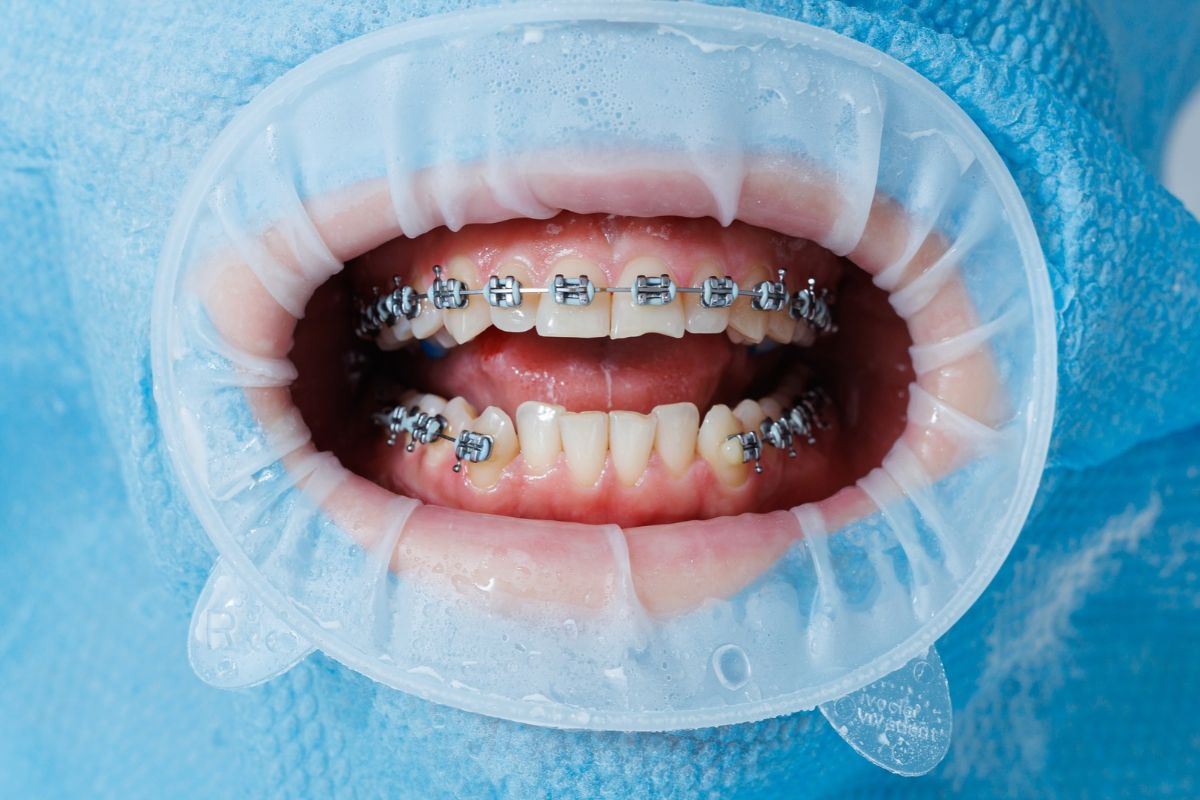
Braces
Braces can reposition teeth to improve how the upper and lower arches fit together.
They may be used for dental crossbites involving individual teeth or broader alignment problems.
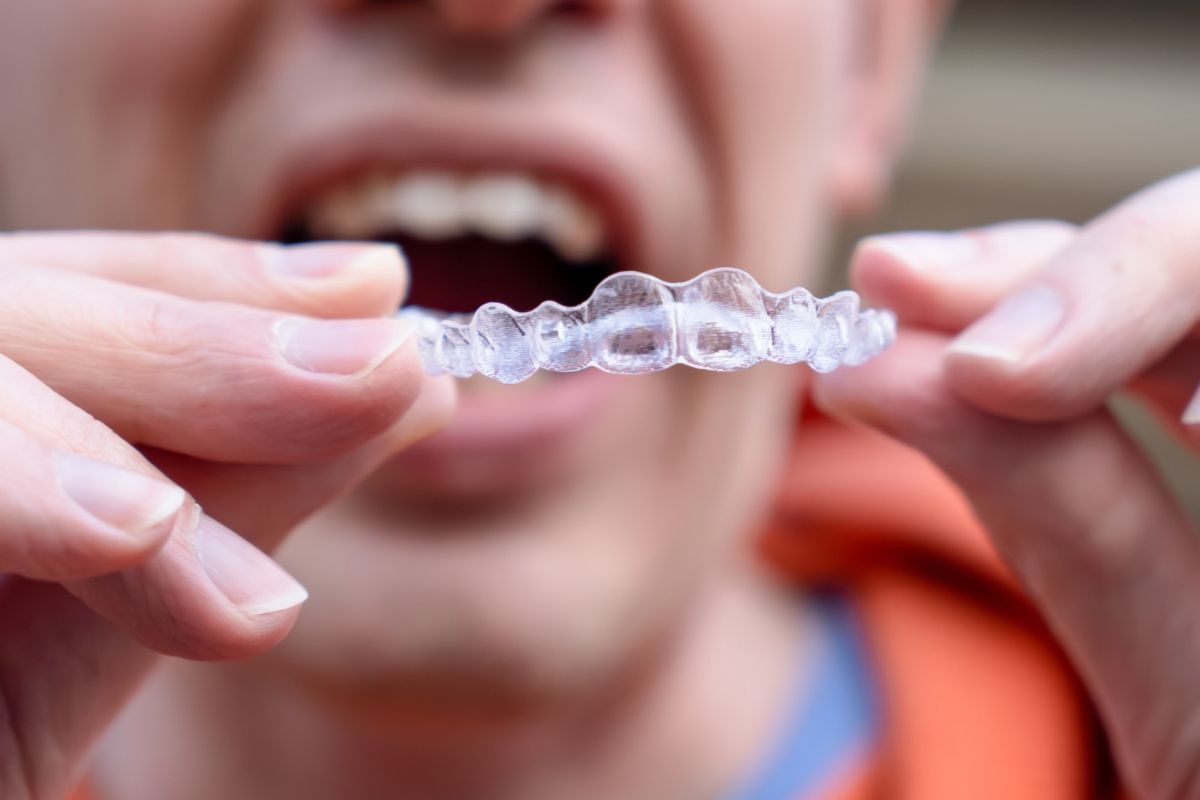
Invisalign
Clear aligners may correct selected crossbites.
Attachments or other orthodontic features may be needed to achieve specific movements.
Palatal Expansion
Some growing children with a narrow upper jaw may benefit from expansion treatment.
An orthodontic appliance can widen the upper arch in appropriate cases.
Adult skeletal expansion may require different methods.
At Dunn Orthodontics, Dr. Dunn evaluates tooth positions and jaw relationships before recommending a correction method.
Should Children With Crossbites Receive Early Treatment?
Certain crossbites benefit from treatment during childhood.
This is especially true when the bite causes a functional shift of the jaw.
Early treatment may improve the bite while the jaws are still developing.
However, not every child requires immediate intervention.
An orthodontic evaluation helps determine whether treatment or monitoring is appropriate.
Can Adults Correct an Uneven Bite?
Yes. Many adult crossbites can be treated orthodontically.
The approach depends on whether the problem involves tooth position, jaw structure, or both.
Braces or aligners may correct dental crossbites.
More significant skeletal discrepancies may require additional treatment.
An examination is necessary to identify realistic treatment options.
When Should You Seek an Orthodontic Evaluation?
Schedule an appointment if your teeth consistently meet unevenly or your jaw shifts when closing.
Parents should also arrange an evaluation when a child’s upper teeth bite inside the lower teeth.
Patients from Roseville, Rocklin, Granite Bay, and nearby communities can discuss these concerns during an orthodontic consultation.
Find Out Why Your Bite Doesn’t Feel Right
An uneven bite may be connected to tooth alignment, jaw relationships, or another dental concern. At Dunn Orthodontics, Dr. Dunn evaluates bite problems and discusses appropriate orthodontic treatment options—call (916) 788-0202 to schedule a bite evaluation in Roseville.
Frequently Asked Questions
1. Can a crossbite correct itself?
Some bite relationships change during growth, but established crossbites often require evaluation. Certain cases benefit from orthodontic treatment.
2. Is Invisalign effective for crossbites?
Invisalign can correct selected crossbites. Treatment depends on the severity and whether the issue involves the teeth or the jaw structure.
3. Where can I get an uneven bite evaluated in Roseville?
Patients in Roseville can schedule an orthodontic consultation to identify the cause of an uneven bite and discuss possible correction.
4. Can a crossbite cause jaw pain?
Some patients with crossbites report discomfort, but jaw pain can have many causes. A crossbite shouldn’t automatically be assumed to be the cause.
5. Will braces permanently correct a crossbite?
Braces can correct many crossbites, but long-term stability depends on the underlying condition, growth, and proper retention.
Recent Posts
October 27, 2026
Why Does Your Bite Feel Uneven? The Orthodontic Problem You May Be Missing
October 16, 2026
Braces After 40: Is It Too Late to Correct Years of Crooked Teeth?
October 16, 2026
One Tooth Sticking Out? When a Small Alignment Problem Needs Attention
October 16, 2026
Can Invisalign Fix an Overbite, or Do You Really Need Braces?
October 16, 2026
Does Your Child Have an Underbite? What Parents Need to Know Before Age 10
Categories
Uncategorized (8)