
What to Expect After Early Orthodontic Treatment: Recovery Guide
November 23, 2026
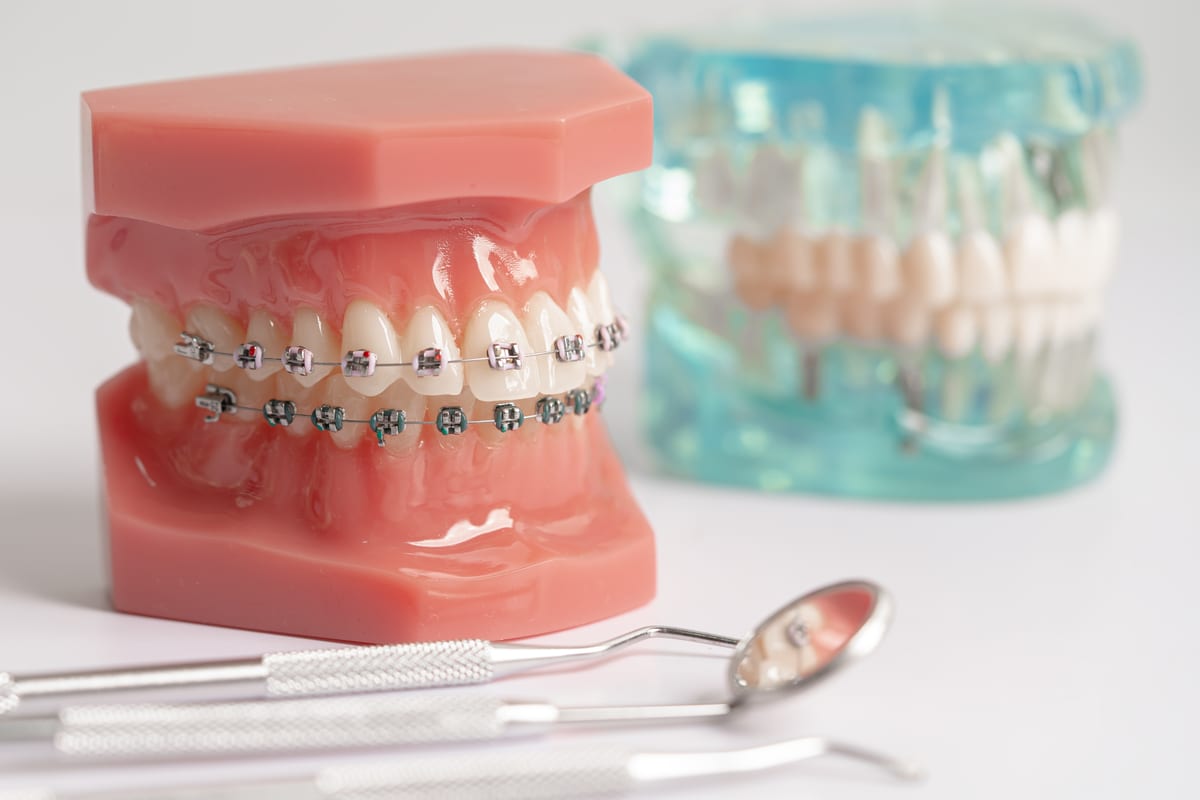
Starting your child on the path to a healthier smile is exciting. But many parents in Roseville, CA want to know what happens after the appointments end. Understanding what to expect after early orthodontic treatment makes the recovery phase much smoother. This guide walks you through the recovery timeline, comfort tips, food choices, and warning signs to watch for.
What Is Early Orthodontic Treatment and Why Does Recovery Matter?
Orthodontics Roseville families trust often begins earlier than most people expect. Early orthodontic intervention, sometimes called Phase 1 treatment, typically starts between ages 7 and 10. It addresses jaw growth issues, bite problems, and spacing concerns before they become more serious. Because young mouths are still developing, the recovery experience is unique.
Recovery matters because the mouth needs time to adjust after appliances are placed or removed. Soreness, sensitivity, and mild discomfort are all normal parts of the process. Understanding these responses helps parents and children feel confident rather than worried. Dr. Marc Dunn and the team at Dunn Orthodontics want every family to feel fully prepared.
Recovery Timeline: What to Expect After Early Orthodontic Treatment in Roseville
The first 24 to 72 hours are typically the most uncomfortable. Your child may notice soreness in the teeth, gums, and jaw. This is completely normal and signals that the treatment is working. Most children return to their regular routine within three to five days.
During the first week, sensitivity when biting is common. Teeth may feel slightly loose, which can feel alarming but is a healthy sign of movement. By the end of the second week, most children feel significantly better. Full adjustment to new appliances or the removal of existing ones usually takes two to four weeks.
Here is a general recovery timeline to keep in mind:
- Day 1–3: Soreness and pressure in the teeth and jaw
- Day 4–7: Gradual reduction in sensitivity; soft foods still recommended
- Week 2: Most discomfort resolves; normal eating begins to return
- Week 3–4: Full adjustment to appliances or post-treatment changes
- Ongoing: Retainer wear and follow-up visits to maintain results
What to Eat During Orthodontic Recovery
Diet plays a big role in a smooth recovery. Hard, crunchy, or sticky foods can cause pain and even damage appliances. Choosing the right foods protects your child’s comfort and their treatment results. Dr. Dunn recommends starting with soft foods for at least the first few days after any adjustment or new appliance placement.
Great food choices during recovery include:
- Yogurt, applesauce, and smoothies
- Mashed potatoes, scrambled eggs, and oatmeal
- Soft pasta, rice, and cooked vegetables
- Soup broth and soft bread without hard crusts
- Soft fruits like bananas, melon, and ripe peaches
Avoid hard candy, raw carrots, popcorn, and chewy snacks during the first week. These foods can loosen brackets, bend wires, or irritate sensitive gum tissue. As your child heals, you can gradually reintroduce more variety. Always follow any specific dietary instructions provided by Dr. Dunn’s team.
Pain Management Tips That Actually Work
Mild pain and pressure are expected parts of orthodontic recovery. The good news is that most discomfort is very manageable at home. Over-the-counter pain relievers like children’s ibuprofen or acetaminophen can help significantly. Always follow dosage instructions based on your child’s age and weight.
Rinsing with warm salt water also soothes irritated gums. Use about half a teaspoon of salt dissolved in a cup of warm water. Have your child rinse gently for 30 seconds, two to three times a day. This helps reduce inflammation and keeps the mouth clean.
Orthodontic wax is another helpful tool. If a bracket or wire rubs against the cheek or lip, apply a small piece of wax to create a smooth barrier. Cold foods like chilled yogurt or a cold water rinse can also ease swelling and pressure. These simple steps make a real difference in daily comfort.
When to Call Dunn Orthodontics in Roseville
Most recovery symptoms are mild and temporary. However, some situations do require a call to our office. Knowing what warrants attention gives parents peace of mind. Dr. Marc Dunn encourages families to reach out rather than wait if something feels wrong.
Contact the office if your child experiences any of the following:
- Severe or worsening pain that does not improve after a few days
- A wire that is poking or cutting the cheek or gum
- A bracket that has come loose or completely detached
- Swelling that increases rather than decreases over time
- Difficulty swallowing or breathing at any point
Routine soreness does not need an emergency visit. But broken appliances and significant discomfort should be addressed quickly. Our team is easy to reach and always happy to answer questions. Never hesitate to call if you are unsure whether something is normal.
Keeping Results Long-Term After Phase 1 Treatment
Early orthodontic treatment sets the foundation for a healthier smile. But maintaining those results requires consistent follow-through. Retainer wear is one of the most important steps after Phase 1 ends. Dr. Dunn will explain exactly how long and how often your child should wear their retainer.
Regular follow-up visits are also essential. These appointments allow Dr. Dunn to monitor growth and determine if Phase 2 treatment will be needed. Some children go on to benefit from full braces or Invisalign Roseville families love later in their teen years. Early intervention simply makes that future treatment faster and more effective.
Encouraging good oral hygiene habits during recovery protects both health and results. Brushing after meals and flossing daily keep gum tissue healthy around appliances. A healthy mouth responds better to orthodontic treatment at every stage. These habits built early often last a lifetime.
Ready to Support Your Child’s Smile Journey?
Knowing what to expect after early orthodontic treatment makes the entire process less stressful for both children and parents. Recovery is temporary, but the results of a well-guided smile last forever. The team at Dunn Orthodontics in Roseville, CA is here to support your family every step of the way. Book Now to schedule your appointment with our team.
Frequently Asked Questions
How long does recovery take after early orthodontic treatment?
Most children feel significantly better within three to seven days after a new appliance is placed or adjusted. Full adjustment to the appliance typically takes two to four weeks. Every child is different, and some may recover faster or slower depending on their treatment type.
Is it normal for my child’s teeth to feel loose after treatment?
Yes, mild tooth mobility during orthodontic treatment is completely normal. It means the teeth and jaw are responding to the gentle forces applied by the appliances. This sensation usually resolves as the teeth settle into their new positions.
What foods should my child avoid during orthodontic recovery?
Avoid hard, sticky, and crunchy foods for at least the first week after each adjustment. This includes hard candy, popcorn, raw carrots, and chewy candy. Soft foods like yogurt, mashed potatoes, and smoothies are ideal during the recovery period.
When should I call Dunn Orthodontics after treatment?
Call the office if your child experiences severe pain that does not improve, a loose or broken bracket, a poking wire, or any swelling that gets worse over time. Routine soreness can be managed at home, but damaged appliances should be addressed promptly.
Will my child need a retainer after Phase 1 orthodontic treatment?
Yes, most children are given a retainer after Phase 1 treatment to maintain the progress made. Dr. Marc Dunn will provide specific instructions about how long and how often to wear it. Consistent retainer use is essential to protect the results of treatment.
Recent Posts
November 23, 2026
What to Expect After Early Orthodontic Treatment: Recovery Guide

November 10, 2026
Clear Aligner Treatment: Why Compliance Matters More Than Time
November 10, 2026
Inside Your Teen’s Orthodontic Journey: What Happens at Each Stage
October 27, 2026
Why Does Your Bite Feel Uneven? The Orthodontic Problem You May Be Missing
October 16, 2026
Braces After 40: Is It Too Late to Correct Years of Crooked Teeth?
Categories
Dental Health (9)