
What Happens During Each Stage of Adult Braces Treatment
October 5, 2026
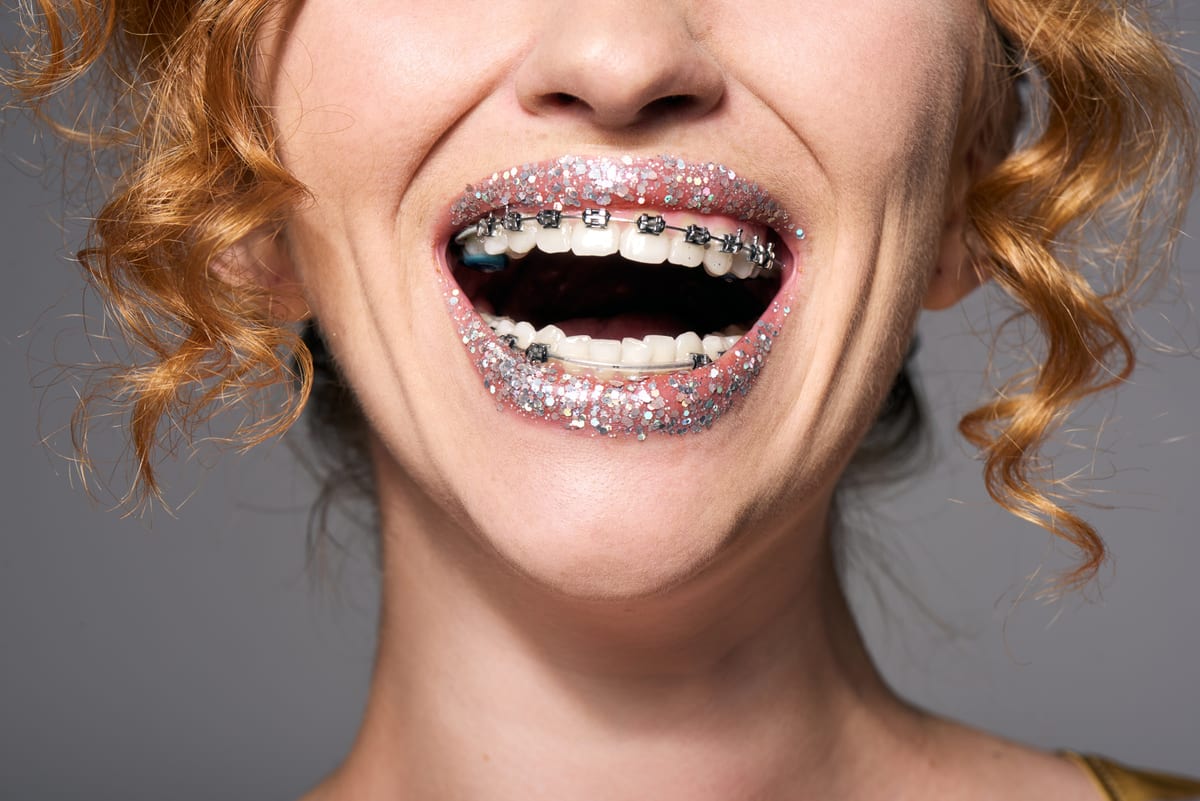
If you are an adult considering braces, you probably have questions about what the process actually looks like. Understanding what happens during each stage of adult braces treatment in Roseville helps you feel confident before you begin. At Dunn Orthodontics, Dr. Marc Dunn guides every patient through a clear, structured process. You will always know what to expect — and why each step matters.
Stage One: Your Initial Consultation and Treatment Planning in Roseville
Everything starts with a thorough consultation. Dr. Dunn will examine your teeth, jaw alignment, and bite during this first visit. Digital X-rays and photos give the team a complete picture of your oral health. This information shapes your personalized treatment plan.
During this appointment, Dr. Dunn will explain your options. For many adults, traditional Orthodontics Roseville with braces is the most effective path. Others may be better suited to clear aligners. The goal is always to match the treatment to your specific needs and lifestyle.
You will also have a chance to ask questions and share any concerns. The team at Dunn Orthodontics takes time to make sure you feel heard. No detail is too small when it comes to your comfort and confidence. Leaving this appointment, you will have a clear roadmap ahead.
Stage Two: Getting Your Braces Placed
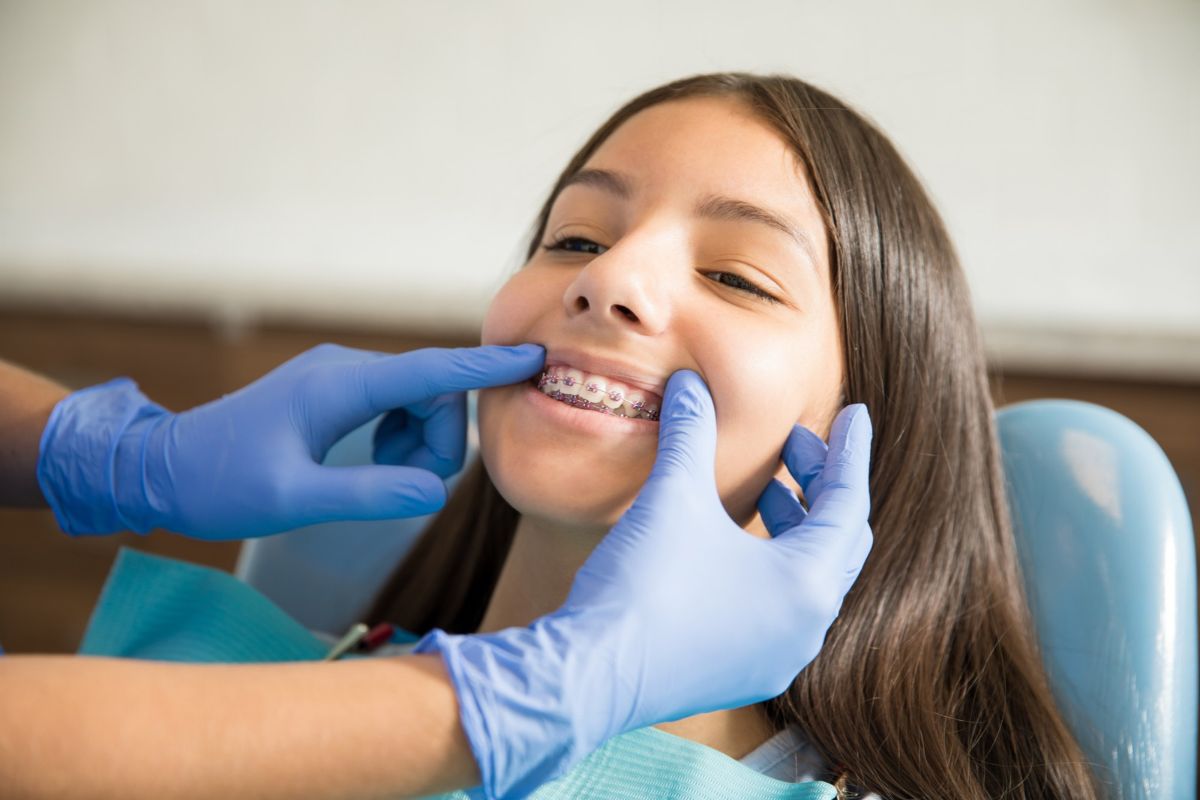
Once your treatment plan is finalized, your next visit is for bracket placement. This appointment typically takes between one and two hours. Dr. Dunn bonds small brackets directly to the surface of each tooth. A thin wire is then threaded through the brackets to begin guiding movement.
Many patients feel mild pressure immediately after placement. This sensation is completely normal and usually fades within a few days. Over-the-counter pain relief and soft foods can make the first week much more comfortable. The team will walk you through exactly what to eat and what to avoid.
Here is what you can expect during the placement appointment:
- Teeth are cleaned and dried before bonding
- Each bracket is carefully positioned for precise movement
- The archwire is secured with small elastic ties
- Dr. Dunn checks alignment before you leave
- You receive a care kit with brushing and flossing tools
The placement process is not painful. Most adults describe it as slightly uncomfortable but very manageable. Dr. Dunn and his team work efficiently to keep the appointment as smooth as possible. You will leave with a smile already in motion.
Stage Three: Regular Adjustment Appointments Throughout Treatment
Braces work through consistent, gradual pressure on your teeth. That pressure needs to be updated regularly as your teeth shift. Adjustment appointments happen every four to eight weeks throughout your treatment. Each visit is typically short — around 20 to 30 minutes.
During each adjustment, Dr. Dunn replaces the elastic ties and may swap in a new archwire. Each new wire applies a slightly different level of tension. This controlled progression is what moves your teeth safely and predictably. Skipping appointments can slow down your overall progress.
It is common to feel mild soreness for one to three days after each adjustment. This means the braces are doing their job. Cold water, soft foods, and over-the-counter pain relief help manage any discomfort. Most patients find the soreness decreases as treatment progresses.
Adjustment visits are also a chance to check in with Dr. Dunn. You can ask questions, raise concerns, or simply track how far your teeth have moved. The team celebrates your progress with you at every step. Adults are often amazed at how visible the changes become over time.
Stage Four: Understanding Your Options — Braces Versus Invisalign
Some adult patients begin treatment wondering whether braces or clear aligners are the better choice. Both options fall under comprehensive Invisalign Roseville and braces care at Dunn Orthodontics. Dr. Dunn will help you weigh the differences based on your specific case. There is no one-size-fits-all answer.
Here are some key differences between the two treatment paths:
- Braces are fixed to your teeth and work around the clock
- Invisalign aligners are removable and replaced every one to two weeks
- Braces are often more effective for complex alignment issues
- Invisalign offers more flexibility for eating and oral hygiene
- Both options produce excellent results when treatment guidelines are followed
For adults with more significant bite issues or crowding, braces often deliver more precise control. Dr. Dunn will give you an honest recommendation based on your clinical needs. The goal is always the healthiest, most stable outcome possible. You will leave the consultation with full confidence in your chosen path.
Stage Five: Debonding and Retention After Braces
The day your braces come off is one patients look forward to most. Debonding is quick, painless, and straightforward. Dr. Dunn removes the brackets and clears any remaining bonding material from your teeth. A professional polish leaves your smile looking clean and bright.
After debonding, retention begins immediately. This stage is just as important as the active treatment phase. Without a retainer, teeth naturally drift back toward their original positions. Wearing your retainer as directed protects every result you worked hard to achieve.
Most adults receive one of two retainer types. Fixed retainers attach to the back of your front teeth and stay in place permanently. Removable retainers are worn nightly or as Dr. Dunn recommends. Both options are effective when used consistently.
Retention is not the end of your orthodontic journey — it is how you protect it. Dr. Dunn schedules follow-up visits to monitor your results over time. Your retainer may need adjustments as years pass. Staying consistent with these check-ins keeps your smile stable for the long term.
Frequently Asked Questions
How long does adult braces treatment typically take in Roseville?
Treatment length varies depending on the complexity of each case. Most adult patients wear braces for 18 to 36 months. Dr. Dunn will give you a personalized estimate during your consultation at Dunn Orthodontics. Consistent attendance at adjustment appointments helps keep treatment on schedule.
Is it painful to get braces as an adult?
Getting braces placed is not painful. You may feel pressure and mild soreness for the first few days after placement or adjustments. Over-the-counter pain relief and soft foods usually manage discomfort well. Most adult patients adjust to braces within the first two weeks.
How do I keep my teeth clean while wearing braces?
Brushing after every meal is strongly recommended when you have braces. Flossing with a floss threader or water flosser helps clean between brackets and wires. Dr. Dunn’s team will show you proper techniques at your placement appointment. Keeping teeth clean during treatment protects against cavities and gum issues.
Can I still eat normally with adult braces?
Most foods are fine with braces, but some should be avoided. Hard, sticky, or chewy foods can damage brackets or bend wires. Dr. Dunn will give you a full list of foods to enjoy and foods to limit. Small adjustments to your diet protect your braces and keep treatment on track.
What happens if I do not wear my retainer after braces?
Teeth will gradually shift back toward their original positions without a retainer. This process can begin within weeks of removing your braces. Wearing your retainer as directed by Dr. Dunn preserves your results long-term. Retainer compliance is one of the most important parts of your overall treatment success.
Starting adult braces treatment is a meaningful decision — and knowing each step makes the process much less intimidating. Dr. Marc Dunn and the team at Dunn Orthodontics in Roseville are here to support you from consultation through retention. Every stage is designed with your comfort and results in mind. Book Now to schedule your appointment with our team.
Recent Posts
October 27, 2026
Why Does Your Bite Feel Uneven? The Orthodontic Problem You May Be Missing
October 16, 2026
Braces After 40: Is It Too Late to Correct Years of Crooked Teeth?
October 16, 2026
One Tooth Sticking Out? When a Small Alignment Problem Needs Attention
October 16, 2026
Can Invisalign Fix an Overbite, or Do You Really Need Braces?
October 16, 2026
Does Your Child Have an Underbite? What Parents Need to Know Before Age 10
Categories
Dental Health (6)