
The Connection Between Orthodontics and Better Chewing Function
June 30, 2026

Many people think orthodontics is mainly about creating a straighter smile. While appearance is certainly one benefit, improved function is often just as important. If you struggle to chew certain foods, experience uneven tooth wear, or notice discomfort while eating, your bite may not be working as efficiently as it should.
At Dunn Orthodontics, Dr. Dunn frequently helps patients understand how tooth position and bite alignment affect everyday activities such as chewing and speaking. A properly aligned bite allows the teeth and jaws to work together more effectively, making meals more comfortable and improving overall oral function. For many patients seeking care from a Roseville orthodontist, the goal extends beyond aesthetics and includes restoring healthy chewing patterns.
Whether you live in Roseville, Granite Bay, Rocklin, Lincoln, or nearby communities, understanding the relationship between orthodontics and chewing function can help you make informed decisions about your oral health. This blog explains how orthodontic appliances support better chewing, why bite correction matters, and what improvements patients often notice throughout treatment.
What Is the Connection Between Orthodontics and Chewing Function?
Orthodontics and chewing function are closely connected because chewing depends on how the upper and lower teeth fit together.
When teeth are misaligned, the bite may not distribute pressure evenly during chewing. Some teeth absorb excessive force while others contribute very little. This imbalance can reduce chewing efficiency and make certain foods difficult to process properly.
The goal of orthodontic treatment is to improve the relationship between the teeth and jaws. As alignment improves, patients often experience more balanced chewing patterns, greater comfort, and better overall oral function.
Why Proper Chewing Matters
Chewing is the first step in digestion. Food should be broken into smaller particles before swallowing.
When bite problems interfere with this process, people may:
- Favor one side of the mouth
- Avoid harder foods
- Experience jaw fatigue
- Notice uneven tooth wear
- Feel discomfort while chewing
Addressing these concerns through orthodontic care can improve both comfort and function.
How Do Bite Problems Affect Chewing Ability?
Bite problems, also known as malocclusions, can interfere with normal chewing mechanics.
Common examples include:
Overbite
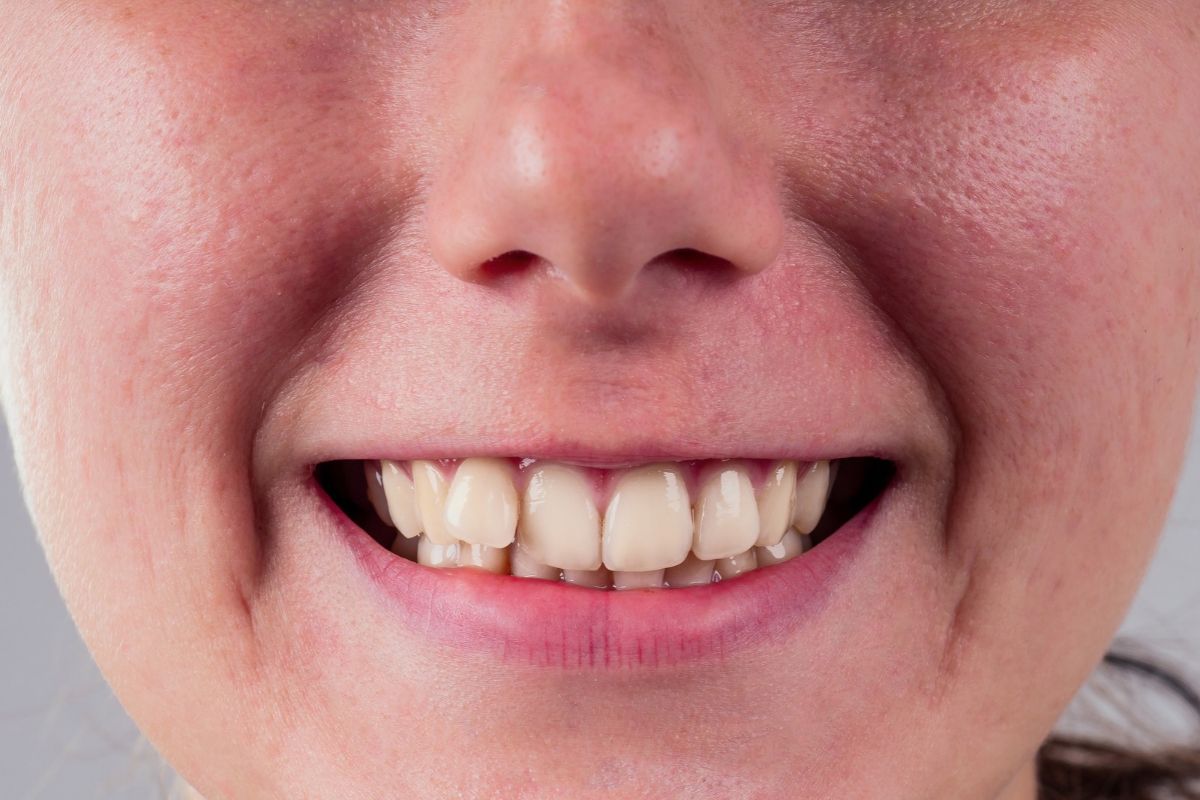
An excessive overlap of the upper front teeth can limit proper contact between opposing teeth during chewing.
Underbite
The lower teeth sit in front of the upper teeth, which may make biting and chewing less efficient.
Crossbite
Teeth do not align correctly from side to side, often creating uneven chewing pressure.
Open Bite
Some teeth do not meet when the mouth closes, making it difficult to bite into foods effectively.
Crowding and Spacing
Poor teeth alignment can affect how food is broken down and may contribute to an unbalanced bite.
These conditions often benefit from bite correction and a comprehensive orthodontic evaluation.
How Does Orthodontic Treatment Improve Chewing Efficiency?
The primary purpose of orthodontic treatment is to move teeth into healthier positions while improving dental occlusion.
When the teeth fit together more accurately, chewing becomes more effective because force is distributed evenly throughout the mouth.
Improved Tooth Contact
Aligned teeth create more consistent contact points.
This allows food to be broken down more thoroughly before swallowing.
Better Jaw Function
Proper jaw alignment helps the muscles of the face and jaw work more efficiently.
Patients often notice less strain while eating.
Balanced Bite Distribution
A balanced bite reduces excessive stress on individual teeth.
This may help minimize uneven wear and improve chewing comfort.
Enhanced Oral Function
Many patients report improvements in daily activities such as eating, speaking, and maintaining oral hygiene after completing orthodontic care.
Can Braces and Invisalign Improve Bite Alignment?
Yes. Both braces treatment and clear aligners can improve bite alignment when prescribed appropriately.
The right option depends on the complexity of the case and the patient’s goals.
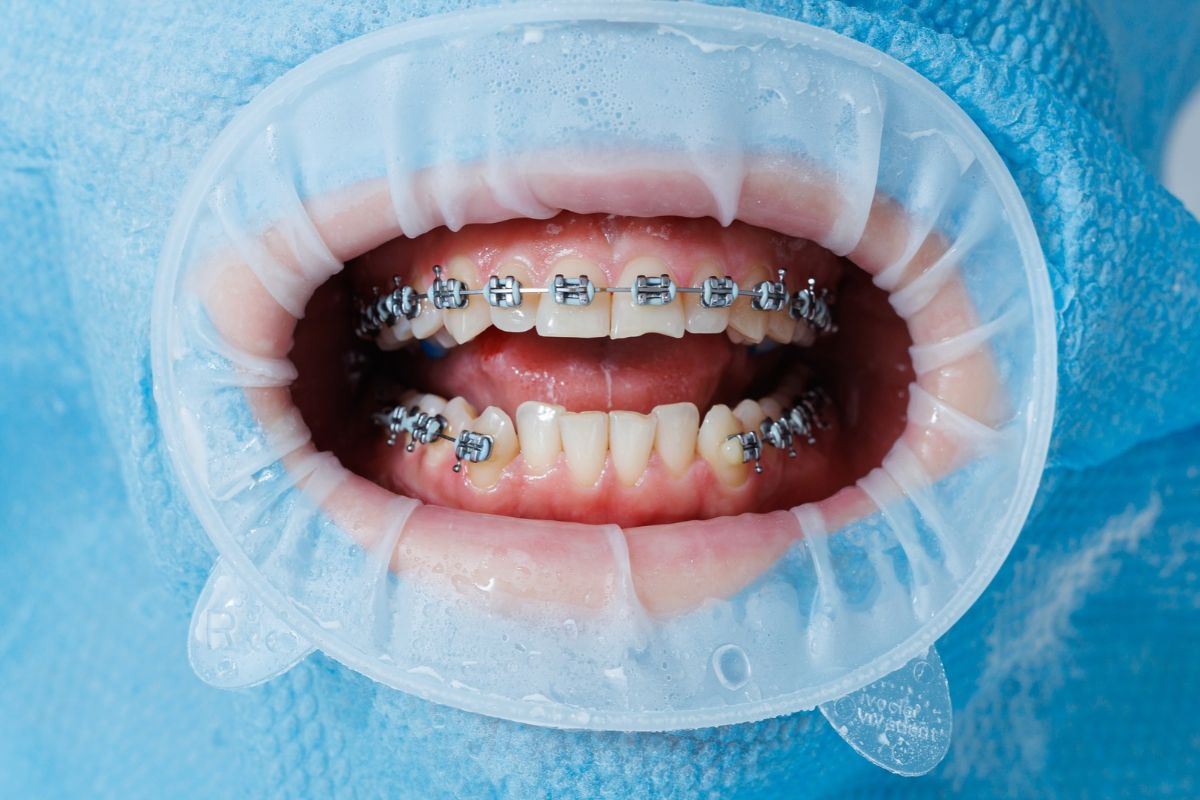
Braces for Complex Bite Correction
Braces remain one of the most effective tools for addressing significant bite problems.
They provide precise tooth movement and can help correct:
- Severe crowding
- Crossbites
- Deep overbites
- Significant spacing
- Complex jaw-related issues
Because braces work continuously, they remain a valuable option for many patients seeking improved chewing function.
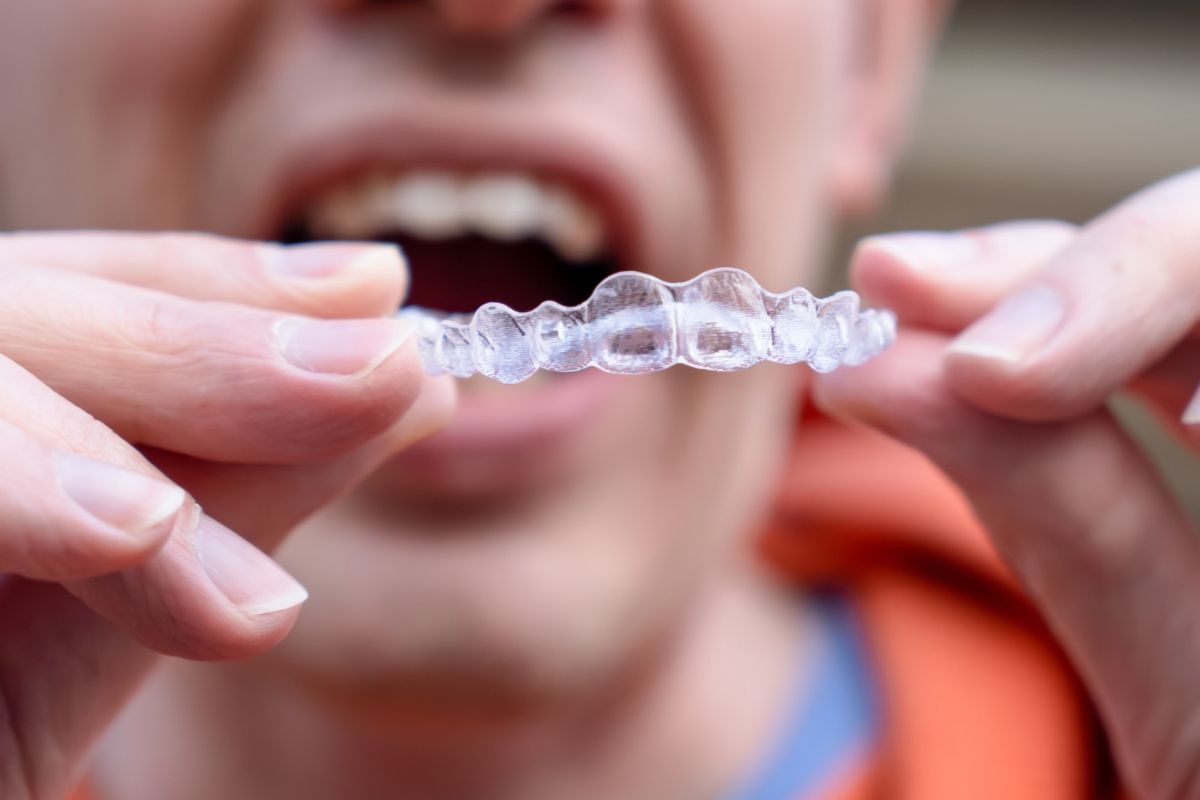
Invisalign Treatment for Functional Improvements
Invisalign treatment has advanced considerably over the years.
Many patients are surprised to learn that invisalign can address numerous functional concerns in addition to cosmetic alignment. Clear aligners gradually move teeth while supporting bite improvement and chewing ability.
For appropriate candidates, invisalign treatment offers a discreet way to improve both appearance and function.
What Happens During an Orthodontic Evaluation?
An orthodontic evaluation focuses on more than whether teeth look straight.
A comprehensive assessment typically examines:
- Bite alignment
- Jaw alignment
- Dental occlusion
- Tooth positioning
- Facial balance
- Chewing patterns
- Airway considerations when appropriate
At Dunn Orthodontics, Dr. Dunn carefully evaluates how the teeth function together before recommending orthodontic solutions. This approach helps identify underlying causes of chewing difficulties rather than focusing solely on appearance.
Patients seeking a Roseville orthodontist often discover that concerns they assumed were normal may actually be related to correctable bite issues.
Can Children and Adults Both Benefit From Bite Correction?
Absolutely.
Functional concerns can affect patients at virtually any age.
Children and Teenagers
Early identification of bite problems may help guide jaw development and support healthier chewing patterns as children grow.
Functional orthodontics may be recommended in certain situations when growth modification can provide additional benefits.
Adults
Many adults pursue orthodontic treatment because they experience chewing discomfort, uneven tooth wear, or difficulty eating certain foods.
It is common for adult patients to seek care after noticing long-standing bite issues that affect daily comfort.
A corrected bite can contribute to improved chewing function regardless of age.
What Signs Suggest Your Bite May Be Affecting Chewing?
Several symptoms may indicate a bite-related issue.
Consider scheduling an orthodontic consultation if you notice:
- Difficulty chewing tougher foods
- Frequent biting of the cheeks
- Uneven tooth wear
- Jaw soreness after meals
- Clicking or popping during chewing
- Teeth that do not fit together comfortably
- Food consistently getting trapped in certain areas
- A tendency to chew on only one side
These symptoms do not automatically require treatment, but they often warrant professional evaluation.
Why Is a Healthy Bite Important for Long-Term Oral Health?
A healthy bite supports more than efficient chewing.
When teeth function properly together, patients may experience:
- Improved chewing comfort
- Better force distribution
- Reduced strain on supporting structures
- More predictable tooth wear patterns
- Enhanced oral function
Proper bite alignment also makes it easier for teeth to work together naturally during everyday activities.
For individuals considering orthodontic treatment, these functional benefits are often just as meaningful as cosmetic improvements.
If you have concerns about your bite, chewing ability, or overall oral function, consider scheduling an orthodontic consultation. Patients who visit our dental practice in Roseville often learn that improving alignment can positively influence both comfort and daily function.
Improve Your Bite and Chewing Function With Expert Orthodontic Care
Chewing should feel comfortable, efficient, and natural. When bite problems interfere with that process, orthodontic treatment may help improve alignment, support healthier jaw function, and create a more balanced bite. Whether treatment involves braces or invisalign, the goal is to achieve better function alongside a healthier smile.
At Dunn Orthodontics, Dr. Dunn helps patients throughout Roseville and neighboring communities understand how orthodontics can improve chewing function and long-term oral health. If you are searching for a trusted Roseville orthodontist and would like to learn whether treatment could improve your bite, contact Dunn Orthodontics today to book an appointment and take the next step toward a healthier, more functional smile.
Frequently Asked Questions
Can orthodontic treatment help if I only have chewing problems but not cosmetic concerns?
Yes. Many patients pursue orthodontic treatment because of functional concerns rather than appearance. Bite issues can affect chewing efficiency, comfort, and jaw function. An orthodontic evaluation can determine whether alignment problems are contributing to your symptoms and whether treatment may improve overall function.
How long does it take to notice improvements in chewing during treatment?
The timeline varies depending on the complexity of the case. Some patients notice gradual improvements as their bite begins to align, while others experience more significant changes later in treatment. Regular monitoring helps ensure tooth movement supports both aesthetics and function.
Is Invisalign effective for correcting chewing-related bite issues?
In many cases, yes. Invisalign can address a variety of alignment and bite concerns that affect chewing. The suitability of aligners depends on factors such as tooth movement requirements, bite complexity, and treatment goals. A professional assessment is necessary to determine candidacy.
Can poor chewing function lead to other oral health concerns?
Chewing difficulties may contribute to uneven tooth wear, muscle strain, and increased pressure on certain teeth. While every case is different, identifying the underlying cause through a professional evaluation can help prevent ongoing functional challenges and support healthier oral function.
What should I expect during an orthodontic consultation for bite problems?
The consultation typically includes an examination of tooth position, bite relationships, jaw alignment, and dental occlusion. Digital imaging and diagnostic records may also be used. Based on the findings, the orthodontist can discuss treatment options designed to improve both bite function and overall oral health.
Recent Posts
October 27, 2026
Why Does Your Bite Feel Uneven? The Orthodontic Problem You May Be Missing
October 16, 2026
Braces After 40: Is It Too Late to Correct Years of Crooked Teeth?
October 16, 2026
One Tooth Sticking Out? When a Small Alignment Problem Needs Attention
October 16, 2026
Can Invisalign Fix an Overbite, or Do You Really Need Braces?
October 16, 2026
Does Your Child Have an Underbite? What Parents Need to Know Before Age 10
Categories
Orthodontics (51)