
Strategies to Effectively Manage Challenges with Braces
June 20, 2024
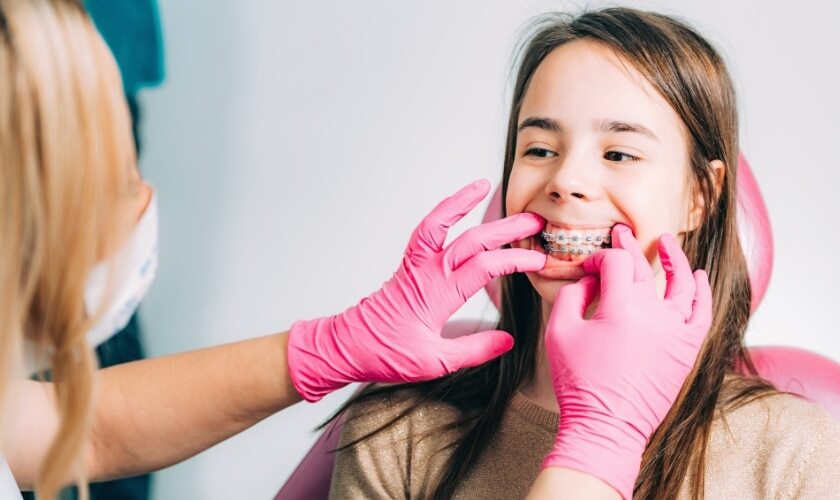
Braces are orthodontic devices used to correct dental alignment and bite issues. While they are highly effective, wearers often face challenges that require proactive management for optimal results.
Common Challenges with Braces
Discomfort and Pain Management
One of the most common challenges associated with braces is discomfort and occasional pain. This is typically caused by the pressure exerted on the teeth and gums as the braces work to shift the teeth into alignment.
Dietary Restrictions
Braces can restrict the types of food you can comfortably eat. Sticky, hard, or chewy foods can damage the braces or cause discomfort. It’s essential to follow dietary guidelines provided by your orthodontist to prevent complications.
Oral Hygiene Maintenance
Maintaining good oral hygiene becomes more challenging with braces. Food particles can easily get trapped in the brackets and wires, increasing the risk of plaque buildup, cavities, and gum disease. A thorough oral hygiene routine is necessary to keep teeth and gums healthy.
Speech Impediments
Initially, braces may cause minor speech impediments, such as a slight lisp. This is normal and usually diminishes as you become accustomed to speaking with braces.
Effective Strategies to Overcome These Challenges
Discomfort and Pain Management Tips
- Use Orthodontic Wax: Applying orthodontic wax to brackets and wires can reduce irritation and discomfort caused by friction against the gums and lips.
- Pain Relievers: Over-the-counter pain relievers such as ibuprofen or acetaminophen can help manage discomfort. Always consult with your orthodontist before taking any medication.
Dietary Guidelines
- Avoid Certain Foods: Sticky candies, hard nuts, and chewy snacks should be avoided as they can damage braces. Opt for soft foods that are easier to chew and won’t get stuck in your braces.
- Cut Food into Small Pieces: Cutting food into smaller, bite-sized pieces can make it easier to eat and reduce the risk of damaging your braces.
Maintaining Oral Hygiene
- Brushing and Flossing: Brush your teeth after every meal and floss at least once a day. Use a special orthodontic toothbrush and floss threader to clean around brackets and wires effectively.
- Regular Dental Check-ups: Schedule regular dental cleanings and check-ups with your orthodontist to monitor oral health and ensure your braces are in good condition.
Overcoming Speech Impediments
- Practice Speaking: Practice speaking in front of a mirror or with family and friends to adjust to speaking with braces. Over time, speech impediments will diminish as you become more comfortable.
Conclusion
Successfully managing challenges associated with braces requires diligence, patience, and adherence to proper oral care routines. By following these strategies, you can minimize discomfort, maintain oral health, and ensure the best possible outcome for your orthodontic treatment.
Implementing these strategies will help you navigate the challenges associated with braces effectively, ensuring a smooth and successful orthodontic treatment journey. For personalized advice and treatment options, consult with your orthodontist.
Recent Posts
June 1, 2026
Our Orthodontist Explains What Can Go Wrong With Invisalign and How to Stay on Track

May 27, 2026
Our Roseville Orthodontist’s Guide to Eating With New Braces
May 19, 2026
5 Common Invisalign Problems & How to Manage Them
May 13, 2026
Thinking About Invisalign? Here’s How the Process Works

May 8, 2026
Why Roseville Locals Are Turning To Orthodontics For Better Oral Health?
Categories
General dentistry (32)