
Is Your Child’s Jaw Growing Unevenly? 7 Signs Roseville Parents Shouldn’t Ignore
October 16, 2026
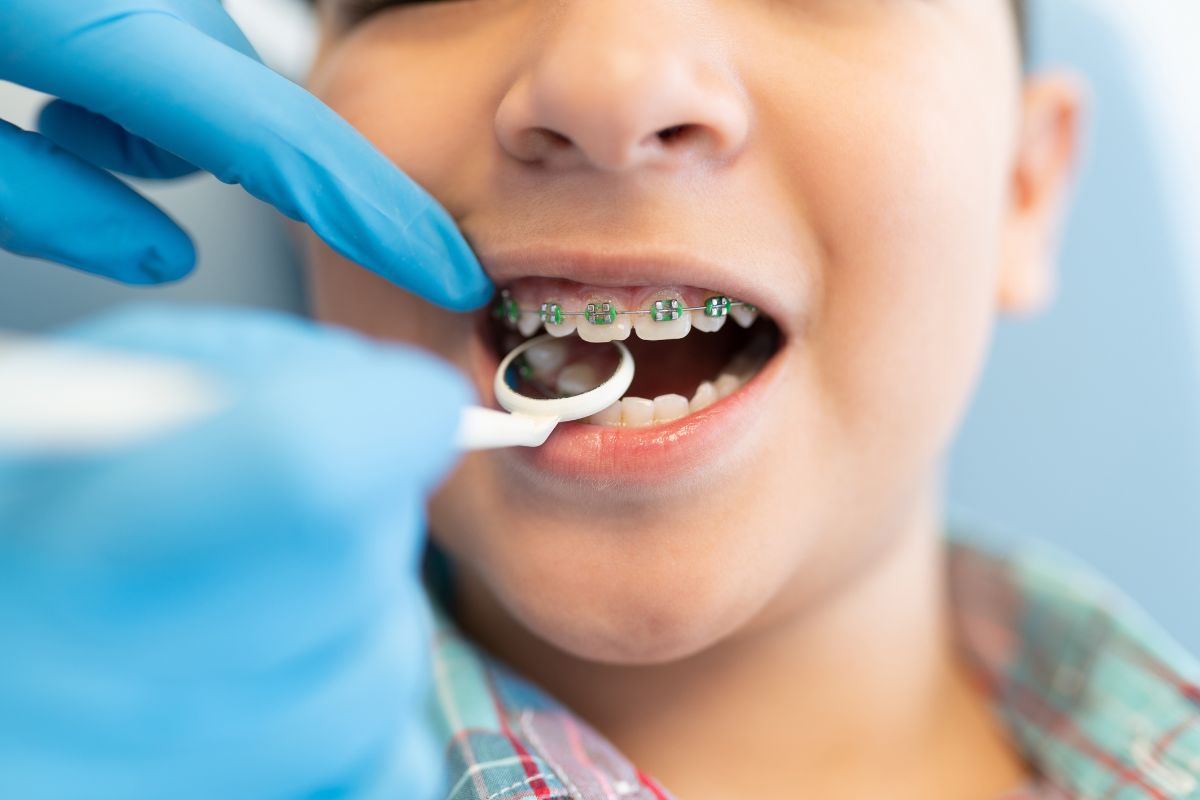
Your child’s teeth may look straight, but that does not always mean their jaw is developing correctly. Some orthodontic problems begin before all permanent teeth appear. Parents may notice unusual chewing habits, crowded teeth, or a jaw that shifts when their child closes their mouth.
At Dunn Orthodontics, families in Roseville can have their children’s teeth and jaw development evaluated before minor concerns become more complicated.
Understanding the warning signs can help you decide when to schedule an orthodontic appointment.
Why Does Jaw Development Matter During Childhood?
A child’s upper and lower jaws continue developing throughout childhood and adolescence. Their growth affects how permanent teeth emerge and how the upper and lower teeth fit together.
When the jaws do not develop evenly, children may develop bite problems or have insufficient space for their permanent teeth.
Some problems can be addressed during growth. Others may only require monitoring until the child is ready for comprehensive orthodontic treatment.
The American Association of Orthodontists recommends an initial orthodontic evaluation by age seven. This does not mean every seven-year-old needs braces.
An evaluation helps identify developing concerns and determine whether treatment should begin now or later.
7 Signs Your Child May Need an Early Orthodontic Evaluation
1. The Upper and Lower Teeth Do Not Meet Correctly
When your child bites down, the upper teeth should generally overlap the lower teeth slightly.
If the lower front teeth sit ahead of the upper teeth, your child may have an underbite.
If the upper front teeth overlap the lower teeth too much, your child may have a deep bite.
Both conditions deserve an orthodontic evaluation.
2. Your Child’s Jaw Shifts When Closing
Watch your child close their mouth slowly.
Does the lower jaw move noticeably toward one side before the teeth meet?
This movement may indicate a functional shift associated with a crossbite.
Some crossbites can influence jaw positioning during growth. An orthodontist can determine whether treatment is appropriate.
3. Permanent Teeth Are Coming in Crooked
Crooked permanent teeth may indicate that the dental arches lack enough room.
Some crowding is common during dental development. However, severe crowding can make cleaning difficult and may affect how additional teeth emerge.
An early evaluation can help determine whether intervention is necessary.
4. Your Child Has Difficulty Biting or Chewing
Children sometimes avoid certain foods because their teeth don’t fit together comfortably.
They may chew mostly on one side or struggle to bite into sandwiches and other foods.
These habits can have several causes, including orthodontic problems.
Persistent chewing difficulties should be discussed with a dental professional.
5. Baby Teeth Fall Out Much Earlier or Later Than Expected
Baby teeth help guide permanent teeth into position.
When a baby tooth falls out prematurely, neighboring teeth may move into the space.
This can affect the room available for the permanent replacement.
Late loss of baby teeth can also indicate differences in dental development.
6. Your Child Has Protruding Front Teeth
Front teeth that extend noticeably forward may be more vulnerable to injury during falls or sports.
Protrusion can develop because of tooth positioning, jaw relationships, or a combination of factors.
An orthodontic evaluation can identify the cause and possible treatment options.
7. Your Child Cannot Close Their Lips Comfortably
Some children have difficulty bringing their lips together without effort.
This may be associated with prominent teeth, jaw positioning, or other facial and dental factors.
It does not automatically mean orthodontic treatment is necessary.
However, it is worth mentioning during an examination.
How Can Phase 1 Orthodontics Help?
Phase 1 orthodontics is an early stage of treatment used for certain developing dental and jaw problems.
It usually occurs while children still have a mix of baby and permanent teeth.
Depending on the diagnosis, treatment may involve:
- Guiding dental arch development.
- Addressing certain crossbites.
- Managing space for permanent teeth.
- Reducing the risk of injury to protruding teeth.
- Correcting specific bite problems during growth.
Not every child needs Phase 1 treatment. Some children benefit more from periodic observation followed by braces or aligners during adolescence.
At Dunn Orthodontics, Dr. Dunn evaluates developing teeth, jaw relationships, and growth patterns before recommending an appropriate course of action.
What Happens During an Early Orthodontic Evaluation?
An early orthodontic appointment is designed to assess development rather than automatically begin treatment.
The orthodontist examines the child’s bite, tooth positions, and jaw relationships.
Diagnostic photographs or X-rays may be recommended when clinically necessary.
Parents can also discuss concerns about chewing, dental crowding, or unusual jaw movements.
After the examination, the orthodontist may recommend treatment, continued monitoring, or a future evaluation.
This approach helps families understand what their child needs without starting treatment unnecessarily.
When Should Roseville Parents Schedule an Appointment?
Parents do not need to wait until all permanent teeth appear. Children should generally receive their first orthodontic evaluation by age seven.
An earlier appointment may be appropriate if a dentist identifies a concern or parents notice significant changes in the bite.
Families in Roseville, Rocklin, Lincoln, and Granite Bay can consider an orthodontic consultation when questions about jaw development arise.
Give Your Child’s Smile the Attention It Deserves
Small changes in your child’s bite may signal developing orthodontic problems. Understanding those changes can help you make informed decisions about their dental health.
At Dunn Orthodontics, Dr. Dunn helps families understand their children’s orthodontic development and available treatment options.
Call (916) 788-0202 to schedule an orthodontic consultation in Roseville.
Frequently Asked Questions
1. Can a seven-year-old need orthodontic treatment?
Yes. Some children benefit from early treatment for crossbites, protruding teeth, or other developing problems. However, many children only need monitoring.
2. How do I know whether my child’s jaw is growing correctly?
Jaw growth cannot be evaluated accurately from appearance alone. Our orthodontist examines the bite, jaw relationships, and dental development to identify concerns.
3. Where can I schedule an early orthodontic evaluation in Roseville?
Parents in Roseville can schedule an orthodontic consultation to assess their child’s teeth and jaw development. An evaluation can clarify whether treatment or observation is appropriate.
4. Will my child need braces again after Phase 1 treatment?
Possibly. Some children require comprehensive orthodontic treatment after their permanent teeth emerge. Whether they need them depends on their growth and dental development.
5. Can early orthodontic treatment prevent future jaw surgery?
Early treatment may improve certain developing bite problems, but it cannot guarantee jaw surgery won’t be needed later.
6. Can families from Rocklin and Lincoln schedule children’s orthodontic consultations in Roseville?
Yes. Families from surrounding communities can visit our Roseville orthodontic office for an evaluation and discuss their child’s treatment needs.
Recent Posts
October 27, 2026
Why Does Your Bite Feel Uneven? The Orthodontic Problem You May Be Missing
October 16, 2026
Braces After 40: Is It Too Late to Correct Years of Crooked Teeth?
October 16, 2026
One Tooth Sticking Out? When a Small Alignment Problem Needs Attention
October 16, 2026
Can Invisalign Fix an Overbite, or Do You Really Need Braces?
October 16, 2026
Does Your Child Have an Underbite? What Parents Need to Know Before Age 10
Categories
Orthodontics (51)