
How Orthodontic Care is Essential for Kids with Overbites
November 12, 2024

Orthodontic care is a critical step for children with overbites, not just for aesthetic alignment but for long-term dental health, proper jaw function, and self-confidence. Overbites, one of the most common dental issues, can impact a child’s daily life in ways many parents may not realize. Addressing overbites early through orthodontic intervention can prevent more severe problems in adulthood, making it a worthy consideration for parents.
Here, we’ll explore why treating overbites early is beneficial, the journey of orthodontic care, and how parents can support their kids through each stage.
Why Overbites Matter: The Case for Early Treatment
An overbite is when the upper front teeth overlap the lower front teeth more than they should. While it may appear to be just a cosmetic concern, untreated overbites can lead to numerous issues, including:
- Jaw Pain and Headaches: Excessive overlapping places stress on the jaw joints, causing discomfort that can lead to chronic headaches and even TMJ disorders.
- Speech Impediments: Overbites can interfere with the tongue’s movement, impacting certain sounds, leading to speech problems like lisping.
- Worn Teeth: A deep overbite may cause the upper teeth to wear against the lower ones, leading to enamel erosion and an increased risk of cavities.
- Self-Esteem Concerns: Kids may feel self-conscious about a pronounced overbite, affecting their confidence, especially during their formative years.
The American Association of Orthodontists recommends that children have an orthodontic evaluation by age seven. At this age, orthodontists in Roseville can identify potential overbites and other alignment issues and decide if early intervention is beneficial. Early treatment can be less invasive and more effective because a child’s jaw and teeth are still developing and can respond better to adjustments.
The Benefits of Orthodontic Care for Overbites in Kids
Correcting an overbite can provide a lifetime of benefits. Here are some core advantages:
- Enhanced Oral Health: Aligning teeth properly makes it easier to clean them, reducing the risk of cavities and gum disease.
- Reduced Need for Future Treatment: Addressing overbites in childhood can prevent the need for extensive treatments like jaw surgery later in life.
- Balanced Jaw Function: Overbite correction creates a balanced bite, improving chewing and reducing strain on the jaw joints.
- Improved Digestion: Properly aligned teeth contribute to better chewing, which aids in digestion and nutrient absorption.
Addressing an overbite as early as possible makes it easier to guide teeth and the jaw into alignment using various orthodontic tools.
How Long Does Orthodontic Treatment Typically Take?
One of the most common questions from parents is about the treatment timeline. The duration of orthodontic care varies based on the child’s individual needs. For most kids with an overbite, treatment can take anywhere from 18 to 30 months. Factors that affect treatment duration include:
- Severity of the Overbite: Larger overbites require more adjustments and longer treatment.
- Type of Treatment: Traditional braces might take slightly longer than newer treatments like Invisalign, but they may also be more effective for significant overbites.
- Consistency with Appointments: Regular visits to the orthodontist ensure timely adjustments and steady progress.
Each child’s case is unique, and the orthodontist will create a personalized treatment plan based on their specific needs.
Types of Orthodontic Treatments for Overbites
Orthodontic treatments have come a long way, and today there are various options tailored to different needs and lifestyles. Here are some of the common treatments for kids with overbites:
1. Traditional Braces
Traditional metal braces are the go-to for overbite correction in children. Braces use metal brackets and wires to shift teeth gradually into alignment. While they’re visible, they are effective, especially for young patients whose teeth and jawbones are still developing. For complex cases, traditional braces remain a reliable choice.
2. Clear Braces
Clear braces function like metal braces but use transparent or tooth-colored materials, making them less noticeable. Clear braces are an option for children who may be self-conscious about having visible braces but still need the stability and effectiveness that braces provide.
3. Invisalign and Clear Aligners
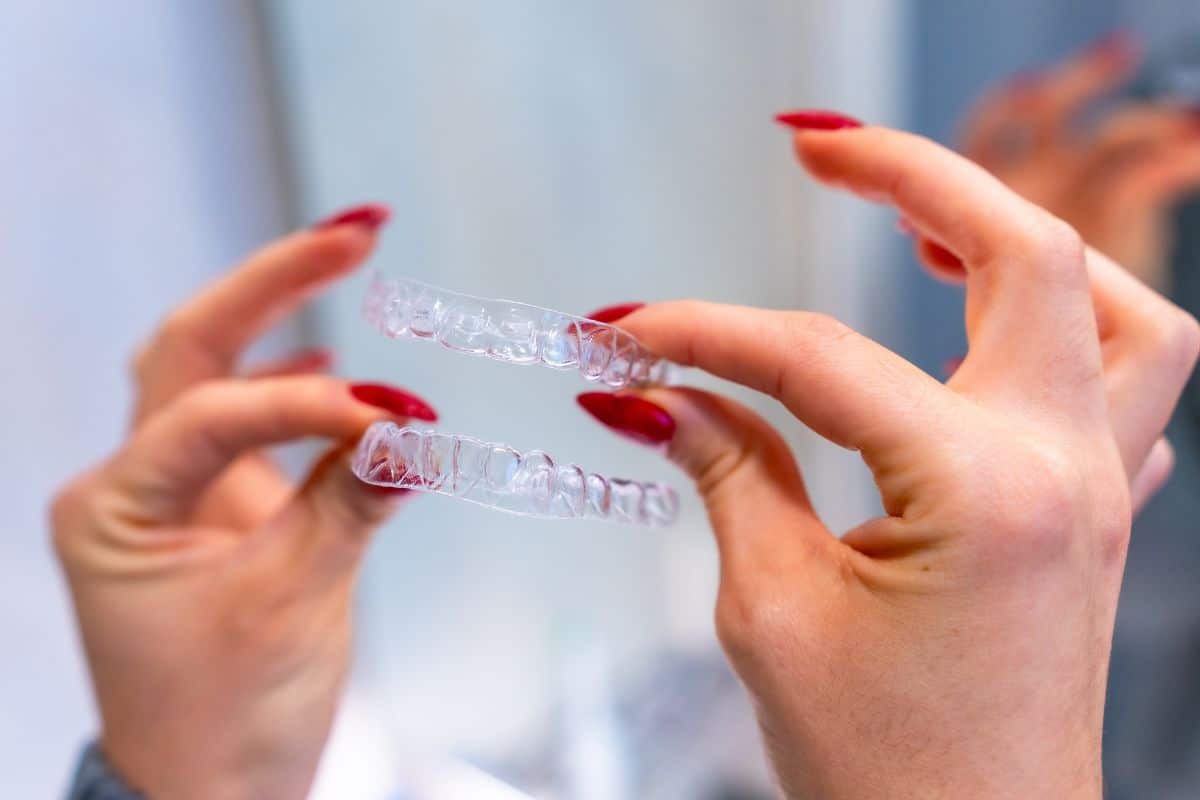
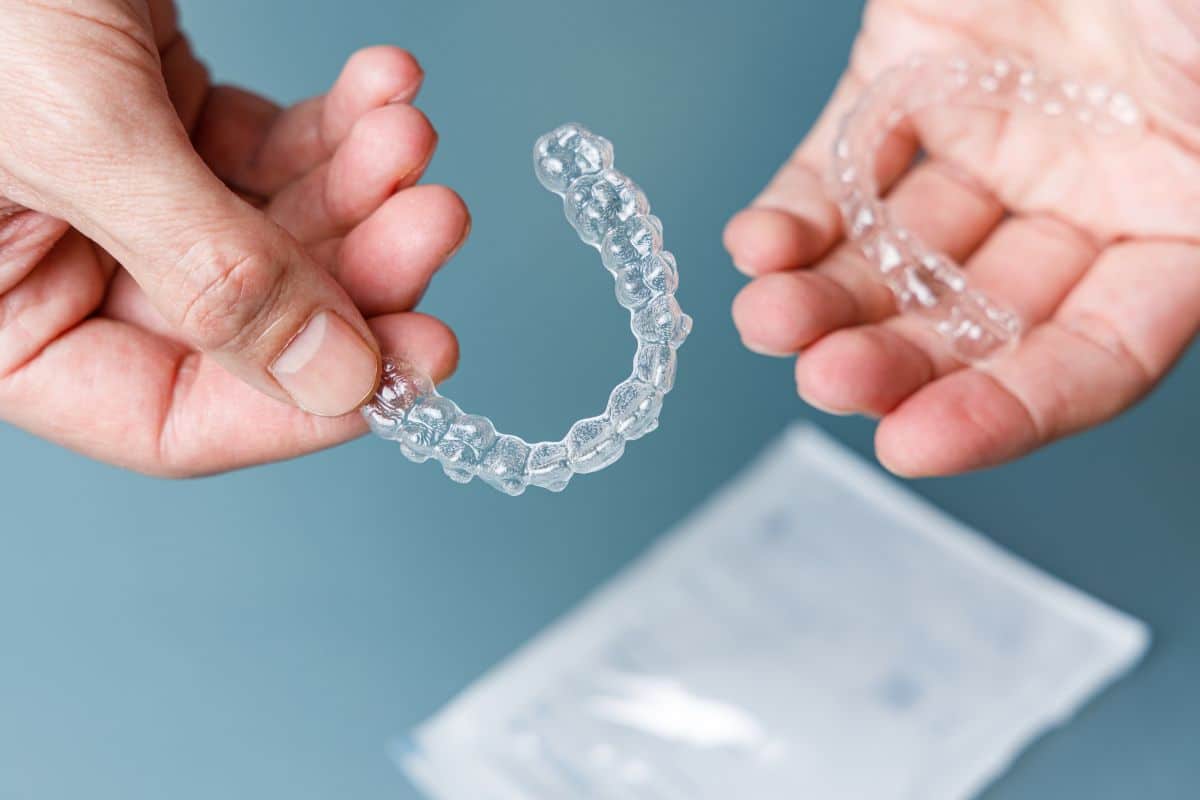
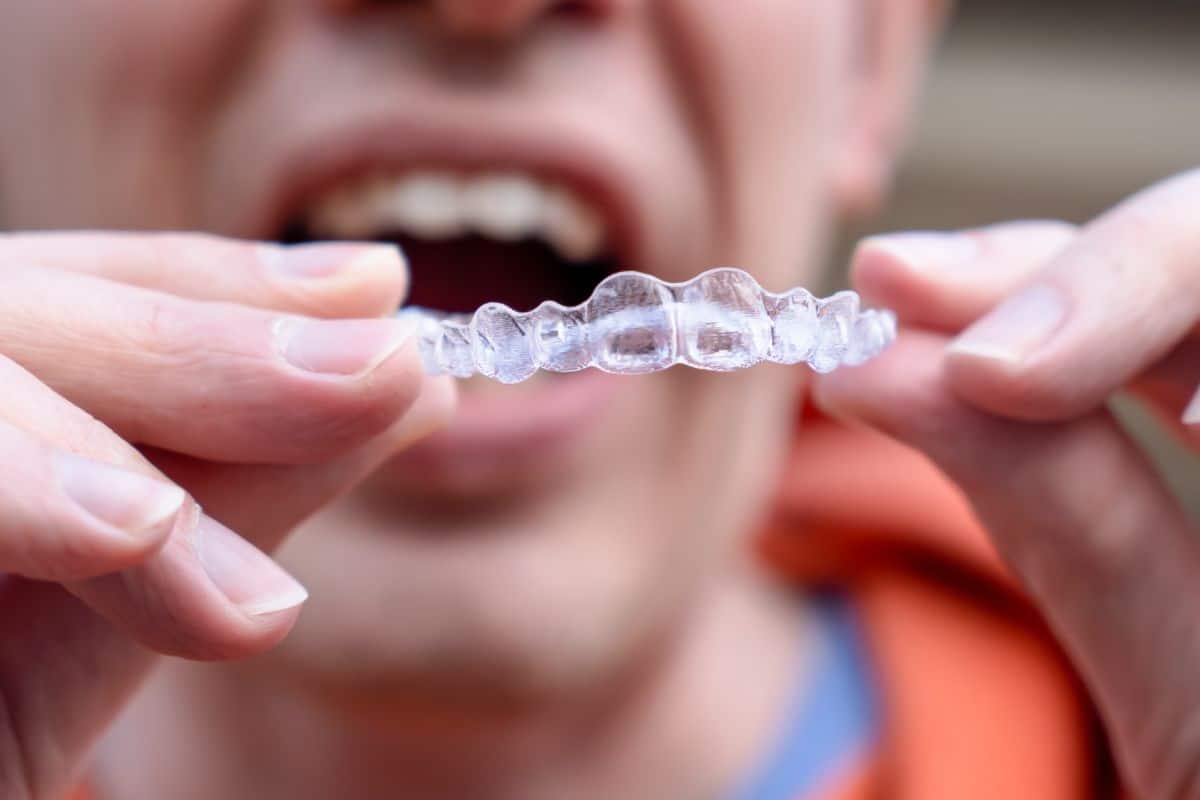
Clear aligners like Invisalign offer a more discreet alternative to traditional braces. These removable, transparent aligners are custom-made to fit over the teeth and gradually move them into place. For children, aligners can be an appealing option, but they require discipline to wear for at least 22 hours a day. Invisalign is especially helpful for mild to moderate overbites and offers the advantage of easier oral hygiene.
4. Growth Modification Appliances
Growth modification appliances, such as headgear or functional appliances, are used for younger children whose jaws are still growing. These devices guide the growth of the upper or lower jaw to correct significant overbites, reducing the need for braces in the future. Growth modification is typically recommended for kids under 10 to ensure the jaw develops in alignment.
Dietary Changes: Foods to Enjoy and Foods to Avoid
Orthodontic treatment often brings some dietary adjustments. Here’s a quick overview of foods to avoid for each type of treatment:
- Traditional Braces: Kids should avoid hard, sticky, or crunchy foods, like popcorn, nuts, and candy, as these can break the brackets and wires.
- Clear Aligners: The beauty of aligners is that they can be removed for eating. However, kids should avoid eating with the aligners in to prevent damage and staining. It’s also essential to brush before putting them back in.
Encouraging kids to stick to softer foods like yogurt, pasta, and soft fruits can make meal times easier and prevent potential mishaps with their orthodontic devices.
Best Practices for Oral Hygiene with Braces and Aligners
Good oral hygiene becomes even more critical during orthodontic treatment. With braces or aligners, extra care is necessary to avoid plaque buildup and keep teeth healthy. Here are some practical tips:
- Brushing After Meals: With braces, food particles easily get trapped, so it’s vital to brush after every meal using a soft-bristle toothbrush.
- Flossing Daily: Flossing can be tricky with braces, but using a floss threader or an orthodontic floss tool can help kids clean between their teeth effectively.
- Rinsing with Mouthwash: A fluoride mouthwash can help prevent cavities, especially around brackets.
- Clean Aligners Daily: For kids using Invisalign, rinsing and gently brushing the aligners each day keeps them clear and free from bacteria.
Setting up a solid oral hygiene routine can help your child keep their teeth in excellent condition throughout the orthodontic process.
Regular Check-Ups: The Key to Successful Treatment
Consistent orthodontic check-ups are crucial to ensuring the treatment progresses as planned. Most orthodontists recommend visits every 6 to 8 weeks to monitor alignment, make adjustments, and address any discomfort your child may be experiencing. These regular appointments are essential, as they allow the orthodontist to make tiny tweaks to the treatment, speeding up progress and ensuring optimal results.
The Positive Impact of Orthodontic Care on Confidence
For children, self-confidence plays a huge role in social interactions and personal development. An untreated overbite may impact their self-esteem, making them feel uncomfortable about their appearance. Orthodontic care helps kids feel proud of their smile, which can improve their self-image and make them feel more comfortable in their social and school environments.
Beyond the physical benefits, the psychological boost of having a healthy, straight smile can be life-changing. A child who feels confident is more likely to engage openly with peers, participate in activities, and embrace new experiences.
Conclusion
Orthodontic care for children with overbites is about so much more than aesthetics—it’s an investment in their overall health, confidence, and future. Early intervention can make treatment more manageable and effective, setting the stage for a lifetime of benefits. From braces to aligners and growth modification devices, modern orthodontics offers tailored solutions for every need, allowing kids to reach adulthood with healthy, aligned teeth.
By understanding the benefits of orthodontic treatment, following care instructions, and maintaining regular appointments, parents can provide their children with a positive treatment experience that yields a beautiful, confident smile they’ll carry for years to come.
Recent Posts
June 1, 2026
Our Orthodontist Explains What Can Go Wrong With Invisalign and How to Stay on Track

May 27, 2026
Our Roseville Orthodontist’s Guide to Eating With New Braces
May 19, 2026
5 Common Invisalign Problems & How to Manage Them
May 13, 2026
Thinking About Invisalign? Here’s How the Process Works
May 8, 2026
Why Roseville Locals Are Turning To Orthodontics For Better Oral Health?
Categories
General dentistry (32)