
What Happens After Invisalign Treatment? Retainers And Maintenance Tips
August 6, 2026
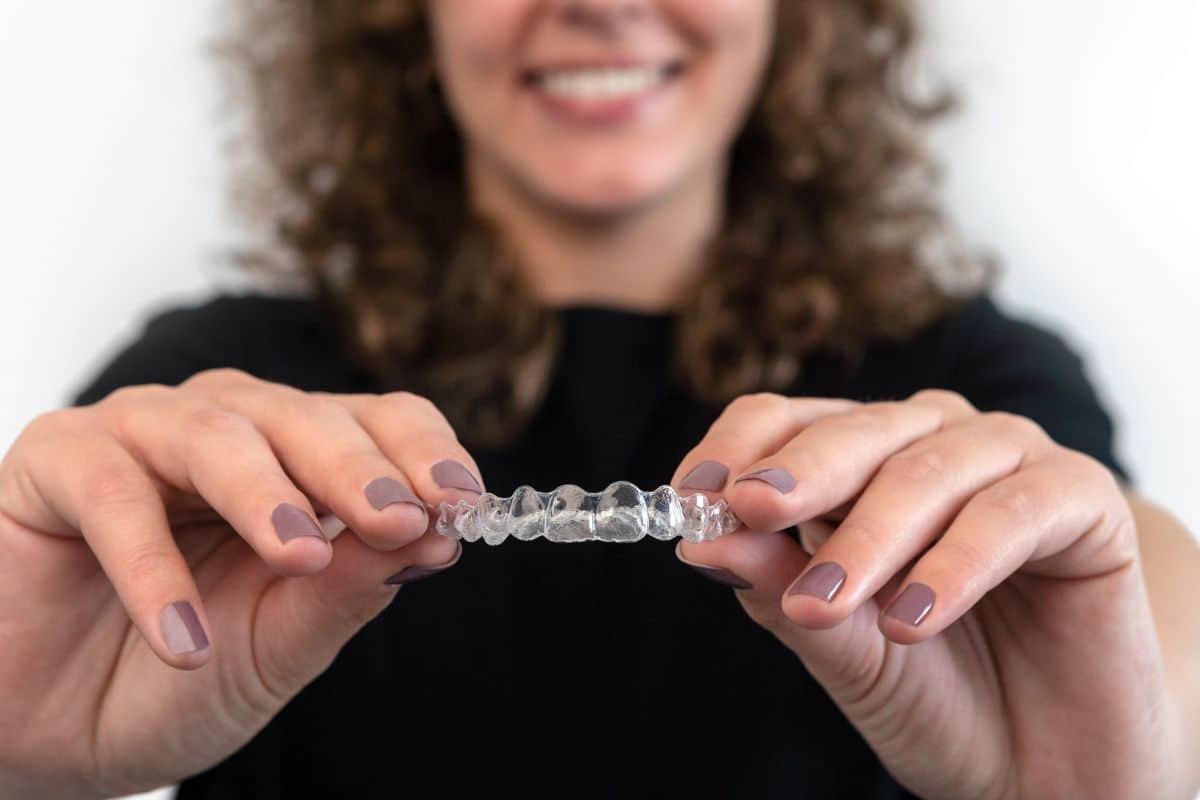
Completing your Invisalign treatment in Roseville is an exciting milestone, but maintaining your results requires ongoing care. Once your Invisalign aligners have successfully moved your teeth into their new positions, the next step is protecting that investment. Retainers and healthy oral care habits help keep your teeth aligned while supporting long-term oral health. Understanding what happens after treatment allows you to enjoy your newly aligned smile for years to come.
Why Retainers Are Important After Invisalign Treatment
Once active orthodontic treatment ends, your teeth naturally tend to shift over time. This movement is a normal part of the body’s adjustment process as the surrounding bone and tissues continue to stabilize.
Retainers are designed to keep your teeth safely in their corrected positions while these tissues adapt. Without consistent retainer wear, gradual shifting may occur, compromising the beautiful results you achieved during your Invisalign treatment in Roseville.
Retainers Help Preserve Tooth Alignment Wearing your retainer exactly according to your orthodontist’s instructions helps maintain your teeth’s alignment and supports long-term treatment success.
Different Types of Retainers
There are several types of retainers that may be recommended after orthodontic care. Clear removable retainers closely resemble Invisalign aligners and are popular because they are discreet and easy to wear. Some patients may receive traditional wire retainers, while others benefit from fixed retainers that are permanently bonded behind the front teeth.
Patients completing Invisalign treatment in Roseville receive customized retainer recommendations based on their individual orthodontic needs. Your dental provider will explain which option is most appropriate for your smile and exactly how often it should be worn.
Following Your Wear Schedule Matters Many patients are instructed to wear their retainers full-time immediately after treatment before safely transitioning to nighttime-only wear. Following this schedule significantly reduces the risk of unwanted tooth movement.
Caring for Your Retainer
A clean retainer helps support both your oral hygiene and the longevity of the appliance itself. Retainers should be cleaned regularly using lukewarm water and specific cleaning products recommended by your dental provider. Hot water should always be avoided because it can permanently warp and distort the plastic material.
Patients receiving Invisalign treatment in Roseville should also store their removable retainers in a protective hard case whenever they are not being worn. Proper storage helps prevent damage, accidental loss (like being thrown away in a napkin!), and exposure to bacteria.
Maintain Healthy Oral Hygiene Habits
Completing your Invisalign treatment in Roseville does not replace the need for excellent daily oral hygiene. Brushing twice a day, flossing regularly, and attending routine dental visits remain absolutely essential for protecting your teeth and gums.
Professional cleanings allow your primary dental provider to monitor your oral health and ensure your retainer continues to fit properly. According to the American Association of Orthodontists (AAO), healthy at-home care works hand-in-hand with retainer use to preserve your smile for a lifetime.
Know When to Replace or Adjust Your Retainer
Over time, retainers may become naturally worn, cracked, or loose due to daily use. If your retainer no longer fits comfortably or shows visible signs of damage, contact your dental provider promptly.
When you visit our clinic, our orthodontic team can evaluate the condition of your appliance and determine whether a simple adjustment or a full replacement is needed to continue protecting your smile.
Don’t Ignore Changes in Fit A retainer that feels unusually tight, loose, or damaged should be evaluated as soon as possible to help prevent your teeth from shifting out of place.
Protect Your Smile for Years to Come
Finishing your aligner series is only the beginning of maintaining a healthy, straight smile. Wearing your retainer consistently, practicing excellent oral hygiene, and attending regular appointments all contribute to lasting, beautiful results. If you have questions about life after Invisalign or need a retainer evaluation, contact us today to schedule a visit!
Frequently Asked Questions
1. Why do I need a retainer after Invisalign treatment? Retainers hold your teeth in their newly corrected positions, allowing the surrounding bone and ligaments to solidify and reducing the risk of your teeth shifting backward.
2. How long will I need to wear my retainer? The schedule varies by patient. Most people are instructed to wear their retainers full-time for a few months initially, before gradually transitioning to nighttime-only wear as directed by their orthodontist.
3. How should I clean my retainer? Clean your retainer daily using lukewarm water, a soft brush, and non-abrasive products recommended by your clinic. Never use hot water, as it will melt or distort the plastic material.
4. What should I do if my retainer no longer fits? Contact your dental provider immediately. A retainer that feels painfully tight, overly loose, or is visibly damaged needs to be evaluated or replaced to prevent unwanted tooth movement.
5. Can I eat while wearing my removable retainer? No. Removable retainers should always be taken out before eating or drinking anything other than plain water, and safely stored in their protective case until you finish your meal and brush your teeth.
6. How often should I replace my retainer? Replacement depends entirely on wear and tear. Your dentist will recommend a new retainer if the current one becomes cloudy, cracked, stretched out, or no longer fits properly.
7. Are regular dental checkups still necessary after Invisalign treatment? Yes. Routine visits with your general dentist help monitor your overall oral health, evaluate your retainer’s fit, and ensure your teeth remain cavity-free and properly aligned over time.
Recent Posts
October 27, 2026
Why Does Your Bite Feel Uneven? The Orthodontic Problem You May Be Missing
October 16, 2026
Braces After 40: Is It Too Late to Correct Years of Crooked Teeth?
October 16, 2026
One Tooth Sticking Out? When a Small Alignment Problem Needs Attention
October 16, 2026
Can Invisalign Fix an Overbite, or Do You Really Need Braces?
October 16, 2026
Does Your Child Have an Underbite? What Parents Need to Know Before Age 10
Categories
Adult Orthodontic Care (9)