
Can You Wear Invisalign Overnight with Bruxism?
September 11, 2024

If you’re dealing with bruxism—commonly known as teeth grinding—you might wonder how this condition could affect your Invisalign treatment. Invisalign, a popular orthodontic solution, offers a discreet and comfortable way to straighten teeth. But can it be worn overnight by those who grind their teeth? Understanding the interaction between Invisalign and bruxism is crucial for achieving the best possible outcome from your orthodontic journey.
What is Invisalign?
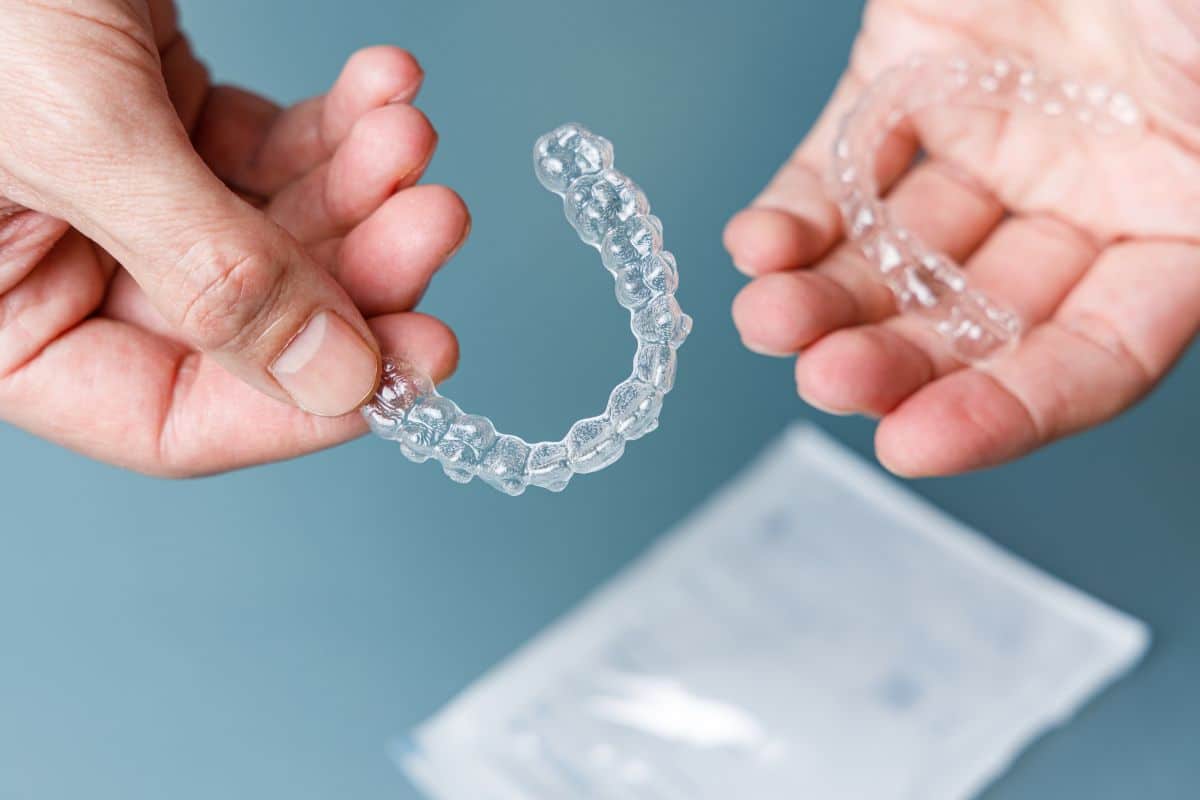
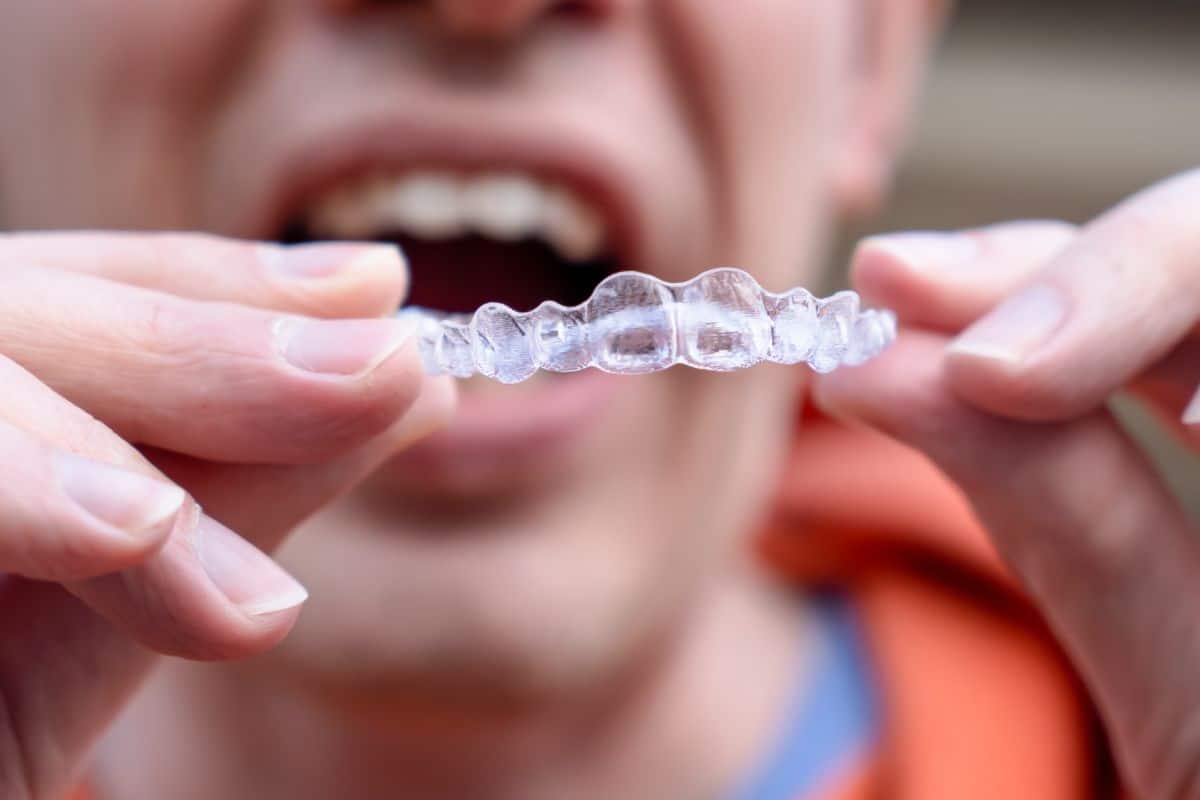
Invisalign is a cutting-edge orthodontic treatment that uses a series of clear, custom-made aligners to gradually shift teeth into the desired position. Unlike traditional braces, Invisalign aligners are nearly invisible, removable, and more comfortable to wear. They’ve become a preferred choice for many looking to straighten their teeth without the conspicuous look of metal braces.
Understanding Bruxism
Bruxism refers to the involuntary grinding or clenching of teeth, often occurring during sleep. It’s a condition that can lead to a host of dental issues, including tooth wear, jaw pain, and headaches. People with bruxism may not even realize they’re grinding their teeth until significant damage has occurred.
Can You Wear Invisalign Overnight with Bruxism?
Wearing Invisalign overnight is standard practice for all users, but if you have bruxism, there are some specific considerations to keep in mind. Bruxism can place additional stress on your aligners, which might lead to quicker wear and potential damage. However, many orthodontists believe that Invisalign can be worn overnight by bruxism sufferers, but with caution.
How Invisalign Helps with Bruxism
Interestingly, Invisalign aligners can act as a protective barrier between your teeth, much like a night guard. They help to distribute the forces from grinding more evenly across your teeth, potentially reducing the risk of tooth damage. While not designed as a night guard, Invisalign trays can offer some level of protection for mild to moderate bruxism sufferers.
Potential Challenges of Wearing Invisalign with Bruxism
Despite the protective benefits, there are challenges to consider. Bruxism can cause increased wear and tear on your aligners, leading to a shorter lifespan for each set. Additionally, some individuals might experience discomfort due to the pressure exerted by the grinding motion, and this could potentially lead to damage or distortion of the aligners.
Tips for Managing Bruxism While Using Invisalign
To effectively manage bruxism while using Invisalign, it’s essential to maintain regular consultations with your orthodontist. They can monitor the condition of your aligners and make any necessary adjustments to your treatment plan. It’s also important to be vigilant about replacing aligners as recommended to ensure they remain effective.
Role of the Orthodontist in Bruxism Management
Choosing the right orthodontist is key to successfully managing bruxism with Invisalign. An experienced orthodontist will be able to customize your treatment plan, taking into account the impact of bruxism. They may recommend more frequent aligner changes or additional protective measures.
Should You Consider a Night Guard Instead?
In some cases, a night guard might be a better option for those with severe bruxism. While Invisalign can offer protection, a custom night guard is specifically designed to absorb the forces of grinding, offering superior protection. However, this decision should be made in consultation with your orthodontist.
Alternatives to Invisalign for Bruxism Patients
For those with severe bruxism, traditional braces or other orthodontic solutions might be recommended. These options may provide better resistance to the forces exerted by teeth grinding, though they may lack the aesthetic appeal and convenience of Invisalign.
Maintaining Your Invisalign Trays
Proper care and maintenance of your Invisalign trays are crucial, especially if you have bruxism. Regular cleaning and careful handling can help extend the life of your aligners. Additionally, follow your orthodontist’s guidelines on when to replace trays to ensure they remain effective.
When to Visit a Dental Office
Regular visits to your dental office are essential when managing bruxism with Invisalign. Your orthodontist will assess the condition of your aligners and make any necessary adjustments to your treatment plan. If you notice any signs of wear or damage, schedule a visit as soon as possible to avoid complications.
What to Expect During a Dental Visit
During your dental visits, your orthodontist will check the fit and condition of your Invisalign trays and assess the impact of bruxism on your teeth. They may take additional steps, such as adjusting the fit of your aligners or recommending a night guard to complement your Invisalign treatment.
Long-Term Outcomes of Using Invisalign with Bruxism
While managing bruxism with Invisalign requires careful attention, many patients achieve successful outcomes. With the right orthodontist and a tailored treatment plan, you can enjoy the benefits of straighter teeth without compromising your dental health.
Conclusion
Invisalign can be worn overnight by those with bruxism, but it’s essential to proceed with care. By working closely with your orthodontist, you can ensure that your treatment plan accommodates the unique challenges posed by bruxism, leading to a successful and satisfying outcome. If you’re considering Invisalign and have concerns about bruxism, visit a dental office to discuss your options.
Recent Posts

June 1, 2026
Our Orthodontist Explains What Can Go Wrong With Invisalign and How to Stay on Track

May 27, 2026
Our Roseville Orthodontist’s Guide to Eating With New Braces
May 19, 2026
5 Common Invisalign Problems & How to Manage Them
May 13, 2026
Thinking About Invisalign? Here’s How the Process Works
May 8, 2026
Why Roseville Locals Are Turning To Orthodontics For Better Oral Health?
Categories
General dentistry (32)