
How To Prepare For Your First Braces Appointment?
April 15, 2026
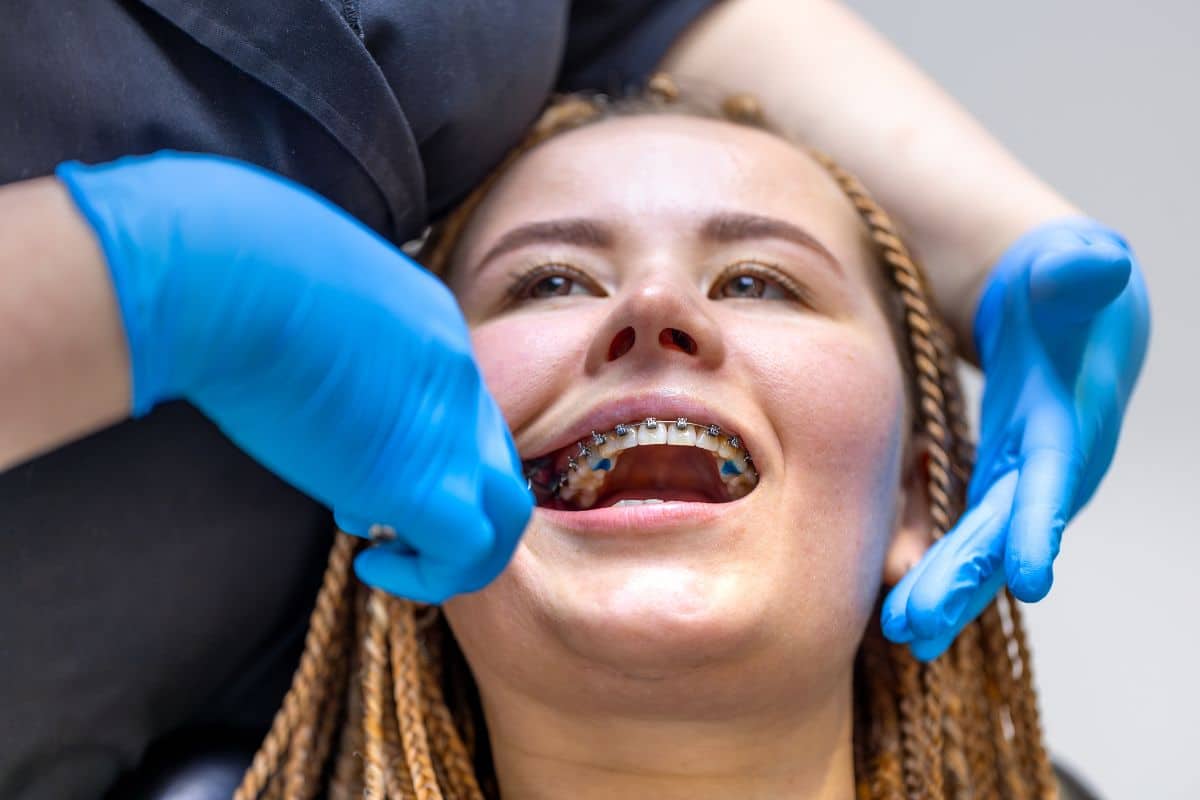
Starting your smile journey can feel like a big step, especially if you’ve never had orthodontic treatment before. Whether you’re heading in on your own or bringing your child along, that first appointment often comes with a mix of excitement and nerves. The good news is that once you know what to expect, the whole experience feels much more manageable.
In a place like Roseville, where people balance busy workdays, school schedules, and weekend outings at spots like Fountains at Roseville or Maidu Regional Park, convenience and clarity matter. You want to know what to expect so you can plan your day and feel prepared.
If you’re among the many residents exploring braces in Roseville, this guide will walk you through everything, from what happens the moment you walk in to how to prepare, and what comes next.
Is the First Visit Just a Consultation, or Will Treatment Begin?
This is one of the most common questions people ask before their first appointment — and the answer depends on your individual situation. In many cases, the initial visit is a consultation. The orthodontist will assess your teeth, jaw, and bite before recommending a treatment plan. However, in some cases, if everything checks out and you’re ready to move forward, your orthodontic appliance may be placed the very same day.
Either way, you won’t leave without a clear picture of where you stand and what the road ahead looks like.
What Actually Happens at the Appointment?
Here’s a breakdown of what a typical first orthodontic appointment involves:
A thorough clinical exam. The orthodontic professional will examine your teeth, jaw alignment, and bite. They’re looking at the full picture, not just how your teeth look, but how they function together.
Diagnostic records. Expect clinical photographs, digital scans, and possibly X-rays. These give your provider a detailed map of your oral structure and help them design a treatment plan specific to you.
A personalized treatment discussion. After the exam, you’ll sit down and go over findings together. This includes the types of orthodontic appliances that might work best for you, whether that’s traditional metal, ceramic options, or clear aligners, along with an estimated timeline and a breakdown of costs.
Appliance placement (if applicable). In some cases, your orthodontist may place your appliance on the same day. If not, a follow-up fitting appointment will be scheduled.
Care instructions. Before you leave, you’ll receive guidance on how to brush and floss properly with your new appliance, how to use orthodontic wax for any irritation, and how to protect your brackets or aligners day-to-day.
How to Prepare Before You Go
A little preparation goes a long way toward making your first appointment smooth and stress-free.
Brush and floss thoroughly beforehand. Clean teeth make it easier for your orthodontic professional to work and reduce the chances of plaque getting trapped under any dental hardware. Use fluoride toothpaste and pay extra attention to your gum line.
Bring any existing dental records. If you’ve had recent X-rays or dental work done, bring those along. It saves time and helps your provider get a more complete picture of your oral health history.
Write your questions down. It’s easy to forget things once you’re in the chair. Jot down your concerns ahead of time.
Wondering about treatment duration? Curious about what foods you’ll need to avoid? Unsure about pain levels? No question is too small; your orthodontic team is there to answer every single one.
Will The Treatment Hurt?
This is another question that comes up frequently, and it’s a fair one. The placement of orthodontic appliances is not a painful procedure. You may feel some pressure or tightness during and immediately after, that’s completely normal and just your mouth adjusting. Any mild soreness in the days following placement is manageable with over-the-counter pain relievers and typically fades quickly.
Soft foods like yogurt, scrambled eggs, mashed potatoes, and soup are your best friends during those first few days. You’ll also want to steer clear of chewy, crunchy, or sticky foods throughout treatment. Items like hard candies, gum, and raw carrots can damage your appliance.
What Happens After the First Appointment?
Once your orthodontic appliance is in place, your journey really begins. You’ll have check-ups every 4 to 8 weeks so your provider can track progress and make any needed adjustments. Each visit brings you one step closer to your goal.
Sticking to your care routine between appointments makes a meaningful difference. Consistent brushing, flossing, and following your orthodontist’s dietary guidelines all contribute to a smoother, faster treatment process.
Ready to Take the Next Step?
There’s never been a better time to take care of your smile. Whether you’ve been thinking about it for a while or just started exploring, your first appointment is simple and comfortable.
Before you leave, ask about treatment options, timelines, or anything on your mind. The team will walk you through everything so you feel clear and confident about your next step.
Your First Step Toward a Better Smile Starts Here
Feeling a little anxious before your first orthodontic visit is completely normal. But this step is about more than straight teeth. It improves your bite, supports long-term oral health, and helps you feel more confident every day.
At Dunn Orthodontics, we understand those first-visit nerves. Our team makes sure you feel comfortable, informed, and at ease from the start. When you visit our dental office in Roseville, you’ll get clear guidance and support at every step. Many patients who once felt unsure now say they wish they had started sooner, and you can expect the same reassurance. Contact us today for the confident grin you’ve always wanted.
Frequently Asked Questions
1. Will I get braces on my very first visit?
Not necessarily. Many first appointments are consultations where the orthodontist gathers records, completes an exam, and discusses treatment options. In some cases, if you’re ready to move forward, the process can begin the same day. Your provider will let you know what makes the most sense for your specific situation.
2. How long does the first orthodontic appointment usually take?
Plan for anywhere between 60 to 90 minutes, especially if diagnostic imaging and records are being taken. If your appliance is being placed the same day, it may run a bit longer.
3. What’s the difference between metal, ceramic, and clear aligner options?
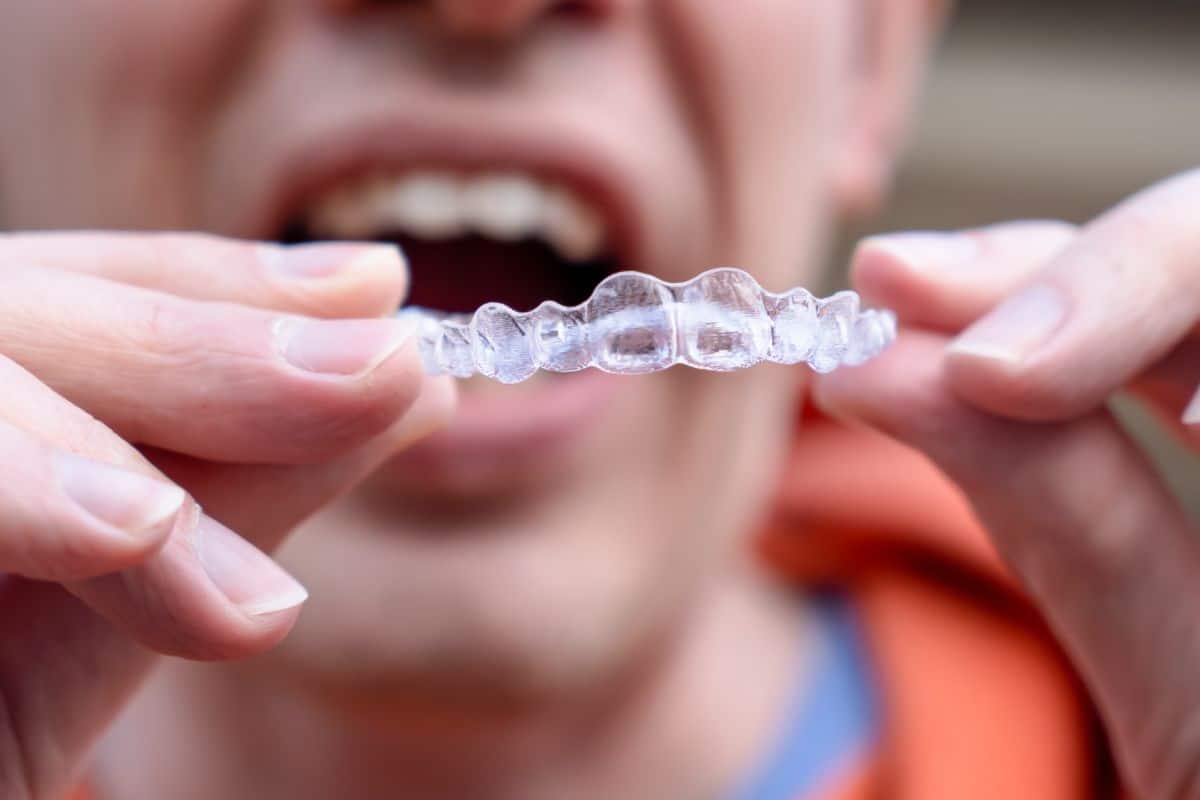
Metal brackets are the most traditional and are highly effective for a wide range of alignment issues. Ceramic brackets work similarly but are tooth-colored, making them less noticeable. Clear aligners are removable trays that gradually shift teeth and are popular with teens and adults who prefer a discreet option. Your orthodontist will recommend what best suits your needs.
4. How do I know if my child is ready for orthodontic treatment?
The American Association of Orthodontists recommends that children have their first orthodontic evaluation by age 7. At this stage, enough permanent teeth have come in to assess alignment and catch any developing issues early. However, treatment itself often doesn’t begin until later.
5. Is orthodontic treatment only for kids and teenagers?
Absolutely not. Adults make up a significant portion of orthodontic patients. Teeth can be repositioned at any age, and with today’s discreet treatment options, many adults find it easier than ever to pursue the smile they’ve always wanted.
6. How long does orthodontic treatment typically take?
Treatment length varies depending on the complexity of your case. Most people complete treatment somewhere between 12 and 24 months, though some cases may be shorter or longer. Your orthodontist will give you a personalized timeline after your initial evaluation.
7. What should I do if something breaks or feels wrong between appointments?
Contact your orthodontic office as soon as possible. Loose brackets, poking wires, or discomfort that doesn’t go away are all worth a call. In the meantime, orthodontic wax can help protect the soft tissue in your mouth from any sharp edges until your appointment.
Recent Posts
June 11, 2026
How Long Does It Take for Braces to Close Front Tooth Gaps?
June 1, 2026
Our Orthodontist Explains What Can Go Wrong With Invisalign and How to Stay on Track

May 27, 2026
Our Roseville Orthodontist’s Guide to Eating With New Braces
May 19, 2026
5 Common Invisalign Problems & How to Manage Them
May 13, 2026
Thinking About Invisalign? Here’s How the Process Works
Categories
Braces (26)