
How to Maintain Oral Health During Orthodontic Treatment?
January 30, 2025
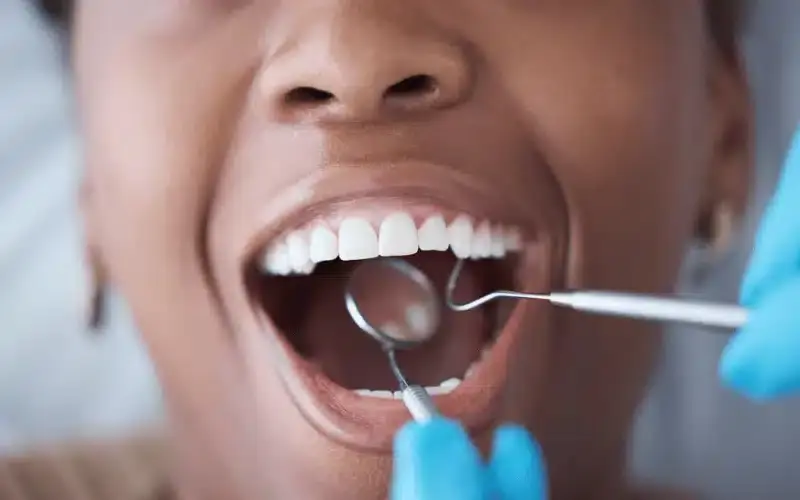
Orthodontic treatment can be life-changing, offering a beautiful, confident smile and improved oral health. Whether you’re wearing traditional braces or clear aligners like Invisalign, keeping your teeth and gums healthy during the treatment process is essential.
According to the World Health Organization (WHO), oral diseases affect nearly 3.5 billion people worldwide. So, how can you maintain good oral health while undergoing orthodontic treatment?
This guide will walk you through effective tips and habits to help you stay on track and avoid complications.
Why Oral Health Matters During Orthodontic Treatment
Orthodontic appliances, whether braces or aligners, can trap food particles and plaque, making it harder to clean your teeth effectively. Without proper care, this can lead to issues such as tooth decay, gum disease, or staining.
Maintaining excellent oral hygiene ensures that you not only stay on track with your treatment but also protect your overall oral health.
By following a few simple steps, you can keep your teeth and gums healthy while achieving the smile you’ve always wanted. Here’s how:
1. Keep Up with Your Brushing and Flossing
Good oral hygiene is crucial when you have braces or aligners. The brackets and wires on traditional braces or the aligners themselves can trap food particles and plaque, which can lead to cavities and gum disease if not properly cleaned.
Brushing and flossing regularly, as well as using orthodontic wax to prevent irritation, will keep your teeth and gums healthy throughout your treatment.
- Brush your teeth at least twice a day, preferably after every meal, using fluoride toothpaste and a soft-bristled toothbrush.
- Floss daily with floss threaders or orthodontic flossers to reach areas between the brackets and wires.
- Use mouthwash to help reduce plaque and keep your mouth fresh.
2. Be Mindful of What You Eat
What you eat can significantly affect the health of your teeth and the success of your orthodontic treatment.
Certain foods can damage your braces or get stuck in your aligners, leading to discomfort and potential issues.
- Avoid hard and sticky foods such as popcorn, caramel, and chewing gum, as they can break the brackets or get stuck between your aligners.
- Cut up food into smaller pieces to prevent excess strain on your braces and wires.
- Drink plenty of water to keep your mouth hydrated and help wash away food particles.
3. Keep Your Aligners or Braces Clean
For patients using traditional braces, regular cleaning is essential to prevent plaque buildup.
Clear aligners, like Invisalign, require a different approach to keep them clean and clear.
- Clean your braces or aligners with a soft toothbrush, not toothpaste, to avoid scratching them. For aligners, soak them in water or a cleaning solution recommended by your orthodontist.
- Remove aligners when eating or drinking, except for water, to prevent staining and damage.
- Rinse your mouth with water after meals if you can’t brush immediately.
4. Visit Your Orthodontist Regularly
Regular orthodontic checkups are essential to ensure that your treatment is progressing well and that your braces or aligners are adjusted properly.
These visits help detect any issues early, such as broken brackets or misalignment, which could impact the outcome of your treatment.
- Schedule your appointments as directed by your orthodontist. Staying on top of these visits will ensure your treatment progresses smoothly.
- Keep track of any discomfort or concerns you experience and discuss them with your orthodontist during your checkups.
5. Protect Your Teeth and Braces from Damage
Accidents happen, and they can cause damage to your braces or misalign your teeth if you’re not careful.
Whether it’s playing sports or engaging in physical activities, protecting your teeth from potential harm is essential to your orthodontic success.
- Wear a mouthguard while playing contact sports to protect your braces and your teeth from injury.
- Be cautious with teeth grinding. If you grind your teeth at night, ask your orthodontist about getting a mouthguard to protect both your teeth and braces.
6. Be Consistent with Wearing Your Retainer
Once your braces or aligners are removed, wearing a retainer as instructed by your orthodontist is essential to maintain the results of your treatment.
Your teeth are still susceptible to shifting even after your braces come off, so your retainer helps keep everything in place.
- Wear your retainer consistently as prescribed by your orthodontist, typically at night, to ensure your teeth don’t shift.
- Take care of your retainer by cleaning it regularly and storing it in a safe place.
Maintaining oral health during orthodontic treatment doesn’t have to be difficult—just stay consistent with your oral hygiene, follow your orthodontist’s advice, and be mindful of your habits. By taking these simple steps, you can keep your teeth and gums healthy and ensure that your orthodontic treatment delivers the best possible results.
If you’re looking for an Orthodontist in Roseville, CA, or have questions about your orthodontic treatment plan, feel free to reach out to Dunn Orthodontics. Our team is here to support you on your journey to a healthy, beautiful smile. We’re happy to guide you through the next steps and provide personalized advice tailored to your dental needs.
Call us at 916-774-8904 to schedule a consultation today!
Recent Posts
June 1, 2026
Our Orthodontist Explains What Can Go Wrong With Invisalign and How to Stay on Track

May 27, 2026
Our Roseville Orthodontist’s Guide to Eating With New Braces
May 19, 2026
5 Common Invisalign Problems & How to Manage Them
May 13, 2026
Thinking About Invisalign? Here’s How the Process Works
May 8, 2026
Why Roseville Locals Are Turning To Orthodontics For Better Oral Health?
Categories
Orthodontics (44)