
How to Know If Your Braces Are Working
May 27, 2024
Getting braces is a significant step toward achieving a perfect smile, but how do you know if they’re actually working? Whether you’re a newbie to orthodontics or you’ve had your braces for a while, understanding the signs of progress can make the journey less stressful and more rewarding. This article aims to guide you through the various indicators that your braces are doing their job.
Understanding How Braces Work

Basic Mechanics of Braces
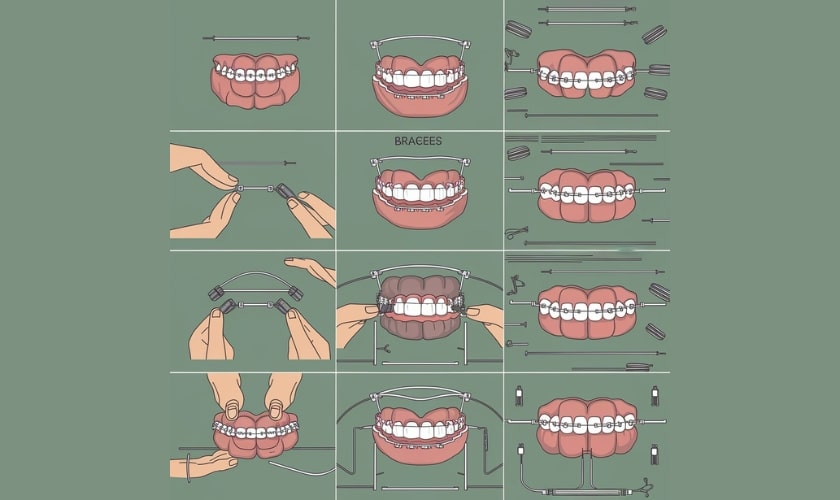
Braces work by applying continuous pressure over time to gradually move teeth into their desired positions. The main components include brackets bonded to your teeth, archwires connecting the brackets, and elastic bands that help with alignment and bite correction.
Components of Braces
- Brackets: Small squares bonded directly to each tooth.
- Archwires: Thin metal wires running from bracket to bracket, guiding teeth movement.
- Elastics: Rubber bands that assist in adjusting the bite and alignment.
Initial Signs Your Braces Are Working
Discomfort and Soreness

One of the first signs that your braces are working is discomfort or soreness in your mouth. This usually happens after getting your braces tightened. It’s a good indication that your teeth are starting to move.
Visible Tooth Movement
You might start to notice slight changes in the alignment of your teeth. Even small shifts are positive signs that the braces are exerting the right pressure to move your teeth.
Monitoring Progress Over Time
Regular Dental Visits

Regular appointments with your orthodontist are crucial. They can check the progress and make necessary adjustments to ensure your treatment stays on track.
Orthodontist’s Assessments
Your orthodontist uses various tools and assessments to measure how effectively your braces are working. These evaluations are essential for adjusting your treatment plan if needed.
Physical Indicators of Progress
Changes in Bite
As your teeth move, you might notice changes in how your upper and lower teeth come together. This is a key sign that your bite is improving.
Alignment of Teeth
Teeth that were previously crooked or crowded will start to straighten out. This gradual alignment is a clear indicator that your braces are effective.
Closing of Gaps
If you had gaps between your teeth, you should see these spaces closing over time. This change is another positive sign of progress.
Technological Tools for Monitoring
Digital Scans
Modern orthodontics often uses digital scans to create a 3D model of your teeth. These scans can be compared over time to show how much your teeth have moved.
Progress Tracking Apps
Some orthodontic practices offer apps that allow you to track your progress with photos and updates from your orthodontist. These tools can be very motivating.
Adjustments and Tightening
Importance of Adjustments
Regular adjustments are necessary to keep the pressure on your teeth consistent. This helps to continue the movement of your teeth into the desired positions.
What to Expect During Tightening
During tightening appointments, your orthodontist will adjust the wires and possibly change the elastics. This might cause temporary discomfort but is essential for progress.
Common Issues and Their Implications
Prolonged Discomfort
If you experience prolonged pain or discomfort beyond the initial adjustment period, it’s important to consult your orthodontist. It might indicate an issue that needs addressing.
Lack of Movement
If your teeth aren’t moving as expected, your orthodontist might need to adjust your treatment plan. Regular check-ups help to catch these issues early.
Diet and Lifestyle Impact
Foods to Avoid

Certain foods can damage your braces or slow down your progress. Avoid sticky, hard, or chewy foods that can dislodge brackets or bend wires.
Oral Hygiene Practices
Maintaining excellent oral hygiene is crucial when you have braces. Brush and floss regularly to avoid plaque buildup, which can hinder your progress.
Comparing Before and After
Importance of Photos
Taking photos before you get your braces and at regular intervals can help you see the progress. Sometimes changes are gradual and hard to notice without a visual record.
Noting Subtle Changes
Even small shifts in your teeth alignment can signify progress. Keep an eye on these subtle changes to stay motivated.
Feedback from Your Orthodontist
What to Ask During Appointments
Don’t hesitate to ask your orthodontist about your progress. Questions like “Are my teeth moving as expected?” or “What changes should I look for?” can provide valuable insights.
Understanding Professional Feedback
Your orthodontist’s feedback is based on professional experience and tools that measure your progress accurately. Trust their assessments and follow their advice closely.
Common Misconceptions
Speed of Progress
Many people expect rapid results, but orthodontic treatment takes time. Patience is key to achieving the best outcome.
Pain Levels
While some discomfort is normal, excessive pain is not. If you’re experiencing severe pain, it’s important to consult your orthodontist.
Psychological and Emotional Factors
Patience and Persistence
Wearing braces can be a test of patience. Remember, the end result is worth the temporary inconvenience.
Coping with Braces
Finding ways to cope with the challenges of braces, such as using orthodontic wax for irritation, can make the process more comfortable.
Braces Off: The Final Evaluation
Criteria for Removing Braces
Your orthodontist will remove your braces once your teeth have moved into their correct positions and your bite is properly aligned.
Retainers and Post-Braces Care
After your braces are removed, you’ll likely need to wear a retainer to keep your teeth in place. This final step is crucial to maintaining your new smile.
Conclusion
Monitoring the progress of your braces involves a mix of professional assessments and personal observations. Discomfort, visible changes, and regular orthodontic visits all play a role in ensuring your treatment is on track. By staying informed and proactive, you can confidently track your journey to a perfect smile.
FAQs
1. How long does it take to see results from braces?
It varies for each person, but some people start to see noticeable changes within a few months of getting braces.
2. What should I do if my braces are causing a lot of pain?
If you’re experiencing significant pain, contact your orthodontist. They can adjust your braces or provide solutions to alleviate discomfort.
3. Can I speed up the process of my braces working?
While you can’t speed up the biological process of tooth movement, following your orthodontist’s instructions and maintaining good oral hygiene can help ensure efficient progress.
4. How often should I visit my orthodontist?
Regular visits, typically every 4-6 weeks, are essential for monitoring progress and making necessary adjustments.
5. What happens if my braces aren’t working?
If you suspect your braces aren’t working, consult your orthodontist. They can reassess your treatment plan and make necessary modifications.
Recent Posts

June 1, 2026
Our Orthodontist Explains What Can Go Wrong With Invisalign and How to Stay on Track

May 27, 2026
Our Roseville Orthodontist’s Guide to Eating With New Braces
May 19, 2026
5 Common Invisalign Problems & How to Manage Them
May 13, 2026
Thinking About Invisalign? Here’s How the Process Works

May 8, 2026
Why Roseville Locals Are Turning To Orthodontics For Better Oral Health?
Categories
General dentistry (32)