
How Orthodontic Treatment Affects Speech and How to Adjust
March 5, 2026
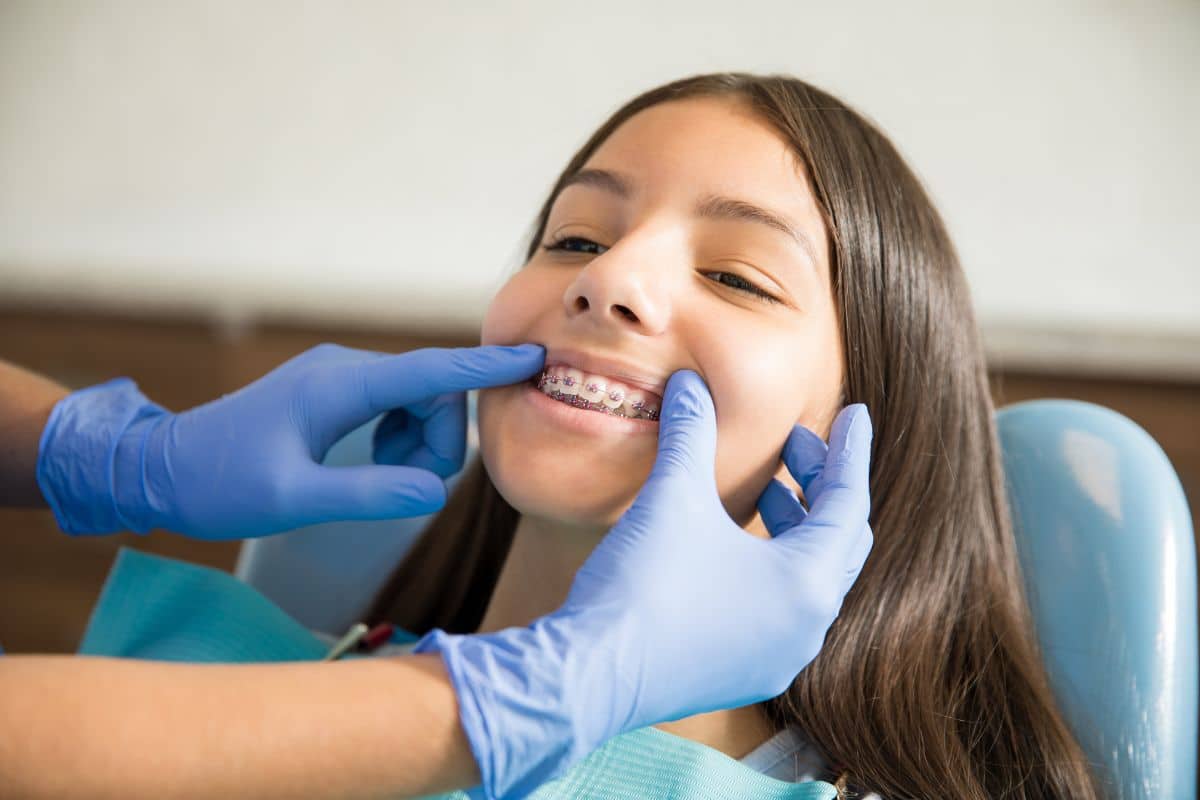
Orthodontic treatment plays a crucial role in achieving a healthier, more beautiful smile, but it can also temporarily affect your speech. While many people undergo orthodontics for cosmetic reasons, there are several functional benefits as well, especially in improving speech and jaw function.
Misaligned teeth, improper bites, or jaw irregularities can result in speech difficulties and chewing or biting problems. Fortunately, addressing these issues through braces or clear aligners can correct both your smile and your speech.
At Dunn Orthodontics, we’re committed to helping our patients achieve functional and aesthetic dental results. If you’re in Roseville and concerned about how orthodontic treatment may impact your speech, rest assured that the team here will guide you through the adjustment process.
In this blog, we’ll discuss how orthodontic treatment can affect your speech, why these changes happen, and, most importantly, how to adjust.
Meet Our Orthodontist, Dr. Marc Dunn
Dr. Marc Dunn is an orthodontic specialist with years of experience providing personalized care to his patients. As an orthodontist in Roseville, Dr. Dunn takes pride in providing a comfortable, welcoming environment for patients of all ages. He specializes in helping individuals with orthodontic needs, from young children to adults, ensuring each patient receives the right treatment tailored to their unique needs. Dr. Dunn is dedicated to improving both the appearance and function of his patients’ smiles, and his commitment to excellence makes him a trusted professional in the Roseville area.
The Impact of Orthodontic Treatment on Speech
Orthodontic treatment is not just about straightening teeth; it also plays a significant role in correcting issues that can impact speech. When you begin wearing orthodontic appliances such as traditional braces, clear aligners, expanders, or bite plates, your mouth will naturally adjust to them. These changes may initially make it difficult to speak clearly, as your mouth needs time to adapt to the appliances.
Braces and Speech
While traditional braces may not cause significant speech issues, they can make it harder to pronounce certain sounds initially. This is especially true if you are wearing appliances like expanders or bite plates. These devices can create temporary challenges when articulating certain words or sounds. However, as you get used to the braces, these difficulties usually fade away.
Clear Aligners and Speech
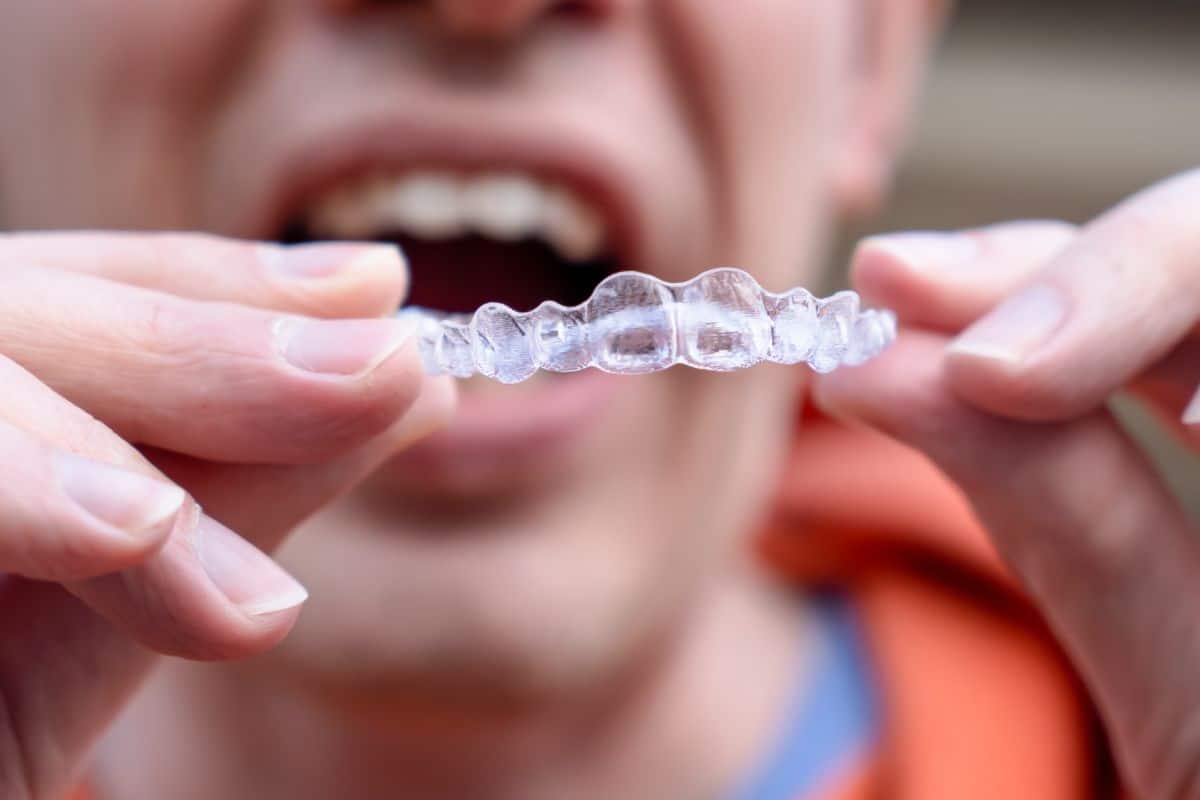
Clear aligners, such as Invisalign, are another popular treatment option. While they tend to be less noticeable and more comfortable than traditional braces, they can still impact your speech at first. You might experience a slight lisp or difficulty pronouncing certain words as you adjust to the aligners. However, most patients find that any speech issues they experience are temporary and improve as they continue to wear the aligners. However, if you still have issues speaking while wearing the clear aligners, consulting an orthodontist in Roseville or near your location is a good option.
Other Orthodontic Appliances
For those using more specialized appliances, such as bite plates or expanders, speech adjustments may take longer. These devices can take up more space in the mouth, which may make speaking feel more awkward at first. Again, this is a normal part of the adjustment period and typically resolves within a few days to weeks.
Ways to Improve Speech After Dental Changes
Although orthodontics can affect speech initially, there are steps you can take to help speed up the adjustment process:
- Practice Speaking Regularly
The more you practice speaking with your orthodontic appliance in place, the quicker you’ll adapt. Try reading aloud, speaking slowly, or singing to get used to the feel of your new devices. - Use Clear Speech Exercises
Practice speaking specific words or phrases that are more challenging. Focusing on sounds that you find difficult to pronounce can help your tongue and lips adjust to the new position in your mouth. - Eat Soft Foods Initially
Eating softer foods during the first few days of wearing your braces or aligners can make speaking more comfortable. Avoiding sticky or hard foods will help keep your mouth at ease during this transition period. - Consult With a Speech Therapist
If you’re having significant difficulty adjusting your speech, consider working with a speech therapist. They can guide you through exercises to improve your pronunciation while you adjust to your new orthodontic appliances. - Give It Time
It’s important to be patient. Your mouth will naturally adapt to the appliances over time, and speech difficulties will decrease as you get used to them. For many patients, speech issues are temporary and resolve within a few days to a few weeks.
What Our Patients Are Saying
Carlo Lacambra shares his experience with Dr. Dunn:
“My daughter was referred to Dr. Dunn. He examined her teeth and recommended expanders after explaining to me the problem. Installment payment options are available, a discount is given when paid in full. My other two daughters previously got their braces from Dr. Dunn, too. A discount is also given for siblings getting their braces on the same day. The staff is very friendly and accommodating, the facility is clean, and service is fast and efficient. We recommend Dr. Dunn for your orthodontic needs. My girls are happy patients. And thanks to Dr. Dunn, my daughters won’t just be biting correctly, they will also have the best smiles when they complete their orthodontic therapies!”
Achieve a Better Smile and Clear Speech at Dunn Orthodontics
Orthodontic treatment is not just about achieving a straighter smile; it also plays an essential role in improving speech and jaw function. At Dunn Orthodontics, we’re dedicated to helping our patients in Roseville and surrounding areas not only achieve beautiful smiles but also improve their speech and bite functionality. If you’ve been concerned about how orthodontics may affect your speech, rest assured that with Dr. Marc Dunn and our trusted team, you’ll be guided through the entire process with ease.
Whether you’re concerned about speech adjustments or looking to get started with orthodontic treatment, visit our dental office in Roseville for a consultation today. We’ll ensure that your treatment is comfortable and that any speech challenges are managed smoothly.
FAQs
1. How long will it take to adjust my speech after getting braces?
It typically takes a few days to a couple of weeks to adjust your speech. Practice speaking regularly to speed up the process.
2. Can clear aligners affect my speech?
Yes, clear aligners may cause a slight lisp at first, but this usually resolves as you continue wearing them.
3. Should I worry if my speech is impacted during orthodontic treatment?
Speech changes during orthodontic treatment are normal and temporary. With practice, you’ll adapt quickly.
4. What can I do if I’m having trouble speaking clearly with my braces?
You can practice speaking or singing to adjust. If speech issues persist, consulting with a speech therapist may help.
5. How can I speed up the adjustment process for speaking with orthodontic appliances?
Practice speaking regularly, eat soft foods initially, and be patient. Over time, your speech will naturally adjust to the appliances.
6. Will orthodontic treatment improve my speech in the long term?
Yes, in many cases, correcting bite issues and misaligned teeth through orthodontics can actually enhance speech and improve communication skills.
Recent Posts
June 11, 2026
How Long Does It Take for Braces to Close Front Tooth Gaps?
June 1, 2026
Our Orthodontist Explains What Can Go Wrong With Invisalign and How to Stay on Track

May 27, 2026
Our Roseville Orthodontist’s Guide to Eating With New Braces
May 19, 2026
5 Common Invisalign Problems & How to Manage Them
May 13, 2026
Thinking About Invisalign? Here’s How the Process Works
Categories
Orthodontics (44)