
How Long Does It Take for Braces to Close Front Tooth Gaps?
June 11, 2026
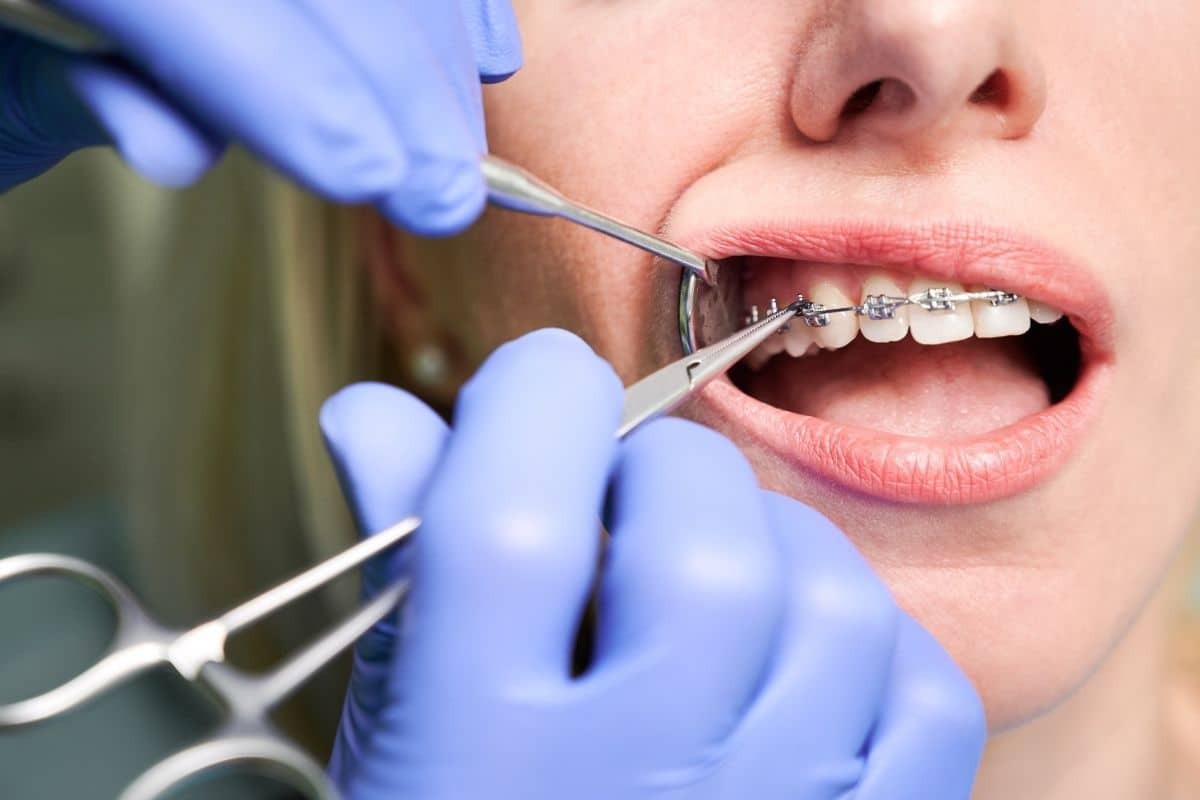
Most small gaps begin showing visible improvement within a few months, while larger spaces often take longer because additional tooth movement and bite correction may be required. The exact timeline depends on the size of the gap, root positioning, age, oral health, and overall treatment goals.
The answer depends on several factors, including the width of the space, the position of the tooth roots, your bite alignment, and how your body responds to tooth movement. While some patients notice visible changes within a few months, others require a longer treatment process to achieve stable and healthy results.
At Dunn Orthodontics, we believe patients make better decisions when they understand the science behind their treatment. Dr. Marc Dunn and our team regularly help patients understand what influences treatment timelines and why every smile follows its own path. If you are considering braces in Roseville, we encourage you to schedule a consultation to learn what is possible for your specific needs.
Why Do Teeth Gaps Develop in the First Place?
Teeth gaps can develop because of genetics, jaw size differences, missing teeth, bite issues, oral habits, or shifting teeth over time. Understanding the cause helps determine the most effective treatment approach.
A gap between teeth, known as a diastema, can appear in childhood or develop later in life. Some spaces are purely cosmetic, while others are linked to functional concerns.
Common causes include:
- Genetics and inherited jaw structure
- Teeth that are naturally smaller than average
- Missing or impacted teeth
- Thumb-sucking habits during childhood
- Tongue thrusting during swallowing
- Bite alignment problems
- Gum disease and tooth movement
- Natural changes that occur with age
The underlying cause matters because it can influence both treatment planning and how quickly the space responds to orthodontic forces.
What Determines Your Personal Gap-Closure Timeline?
The visible gap is only one factor. Your orthodontic timeline is determined by several biological and mechanical factors that influence tooth movement.
Patients are often surprised to learn that two people with similar-looking gaps can have completely different treatment timelines.
Size of the Gap
Smaller spaces generally require less tooth movement than larger gaps. A minor space between front teeth may close more quickly than multiple gaps spread throughout the mouth.
Root Position
Sometimes the visible gap appears small, but the tooth roots are significantly separated beneath the gums. In these situations, additional movement is necessary to achieve a stable result.
Bite Alignment
If an overbite, underbite, crossbite, or crowding issue exists, your orthodontist may need to correct those concerns alongside the spacing problem.
Age and Bone Response
Teenagers often experience efficient tooth movement because their jaws are still developing. Adults also achieve excellent orthodontic results, although treatment planning may differ based on bone density and oral health.
Patient Compliance
Following instructions regarding elastics, appliance care, and scheduled visits helps keep treatment progressing as planned.
How Do Braces Actually Move Teeth Together?
These aligners close gaps by applying controlled pressure that stimulates bone remodeling around the teeth. This allows teeth to move safely through the jawbone over time.
Many people picture teeth sliding across the gums. The actual process is far more sophisticated.
Brackets are attached to the teeth and connected by archwires. These wires generate gentle forces that encourage movement in specific directions.
When pressure is applied:
- Bone on one side of the tooth begins to break down
- New bone forms behind the moving tooth
- The tooth gradually shifts into its new position
- Supporting tissues adapt throughout the process
This biological process is known as bone remodeling.
At Dunn Orthodontics, treatment is designed to balance efficiency with long-term stability. Moving teeth too aggressively can increase the risk of complications and relapse.
How Soon Will You Notice Your Gap Getting Smaller?
Many patients notice visible changes before treatment is complete. However, noticeable improvement and complete closure are not the same thing.
A gap often begins narrowing gradually as teeth respond to treatment forces.
Patients commonly observe:
- Smaller spaces between front teeth
- Improved tooth alignment
- Better smile symmetry
- Enhanced bite function
- Easier cleaning between teeth
The most important thing to remember is that visible progress does not mean treatment is finished. Orthodontists must also position the roots correctly to create lasting results.
Does Every Gap Require the Same Treatment Approach?
No. The best treatment depends on what caused the gap and whether other orthodontic concerns are present.
For many patients, comprehensive orthodontic treatment provides the most predictable way to close spaces while improving overall alignment.
This is one reason many individuals seeking braces in Roseville choose treatment that addresses both cosmetic concerns and underlying bite issues. Simply closing a visible gap without correcting the cause may increase the chance of future problems.
In some cases, spacing may be associated with habits, missing teeth, or developmental concerns that require additional treatment planning.
Why Orthodontics Offers More Than a Cosmetic Fix
These teeth straighteners do more than improve appearance. They address the position of teeth and roots while helping create a healthier bite relationship.
Some cosmetic procedures can make a gap appear smaller, but they do not move teeth into healthier positions.
Orthodontic treatment can help:
- Improve bite balance
- Reduce uneven tooth wear
- Enhance smile symmetry
- Improve chewing efficiency
- Create easier-to-clean tooth alignment
- Promote long-term stability
This comprehensive approach is one reason orthodontic treatment remains one of the most effective solutions for spacing concerns.
Can a Gap Reopen After the Treatment?
Yes. Teeth can shift after treatment if proper retention is not maintained. Retainers play a critical role in preserving your results.
Once removed, surrounding tissues need time to stabilize.
Without retention, teeth may gradually drift toward their original positions. This phenomenon is known as orthodontic relapse.
Factors that contribute to relapse include:
- Inconsistent retainer wear
- Tongue thrusting habits
- Teeth grinding
- Natural aging changes
- Changes in gum and bone support
Retainers help maintain the improvements achieved during treatment and are considered an essential phase of orthodontic care.
The Importance of a Personalized Evaluation
No article can accurately predict your exact treatment timeline. Only a clinical evaluation can determine how your teeth, roots, bite, and supporting structures will respond to treatment.
What appears to be a simple gap may involve factors that are not visible without diagnostic imaging and a comprehensive orthodontic examination.
That is why personalized treatment planning remains one of the most important steps in achieving successful outcomes.
Take the First Step Toward Closing Your Teeth Gap
Every smile tells a different story, and every treatment timeline is unique. While some gaps begin showing noticeable improvement within a few months, others require a more comprehensive approach to ensure healthy, stable, and lasting results.
At Dunn Orthodontics, we take the time to understand the cause of your spacing concerns before recommending treatment. If you are ready to learn how orthodontic treatment can improve your smile, visit our dental office in Roseville for a personalized diagnostic evaluation. Our team can assess your bite, review your goals, and help you understand the treatment options available for your specific needs.
Schedule your consultation today and take the first step toward a healthier, more confident smile.
Frequently Asked Questions
How long does it usually take braces to close a front tooth gap?
Small front tooth gaps often begin showing visible improvement within a few months. Larger spaces or gaps associated with bite problems may require a longer treatment timeline.
Can braces completely close large gaps between teeth?
Yes. Braces can often close large spaces by gradually moving both the teeth and their roots into healthier positions. Treatment time depends on the complexity of the case.
Why is my tooth gap not closing as quickly as expected?
Factors such as root position, bite alignment, bone response, and treatment compliance can affect progress. A gap may appear simple on the surface but requires more complex movement underneath.
Are braces faster than clear aligners for closing gaps?
Neither treatment is automatically faster. The efficiency of treatment depends on the individual case, treatment planning, and how consistently instructions are followed.
Will I need to wear a retainer after my gap closes?
Yes. Retainers help prevent teeth from shifting after treatment. Consistent retainer wear is one of the most important factors in maintaining long-term results.
Can adults successfully close teeth gaps with braces?
Absolutely. Adults routinely achieve excellent orthodontic outcomes. Treatment planning may differ for younger patients, but age alone does not prevent successful gap closure.
How do I know if braces are the right solution for my gap?
A comprehensive orthodontic evaluation can identify the cause of the spacing and determine whether braces are the most effective treatment option for your goals and oral health needs.
Recent Posts
October 27, 2026
Why Does Your Bite Feel Uneven? The Orthodontic Problem You May Be Missing
October 16, 2026
Braces After 40: Is It Too Late to Correct Years of Crooked Teeth?
October 16, 2026
One Tooth Sticking Out? When a Small Alignment Problem Needs Attention
October 16, 2026
Can Invisalign Fix an Overbite, or Do You Really Need Braces?
October 16, 2026
Does Your Child Have an Underbite? What Parents Need to Know Before Age 10
Categories
Braces (30)