
How Interceptive Orthodontics Can Help Avoid Braces Later
January 9, 2026
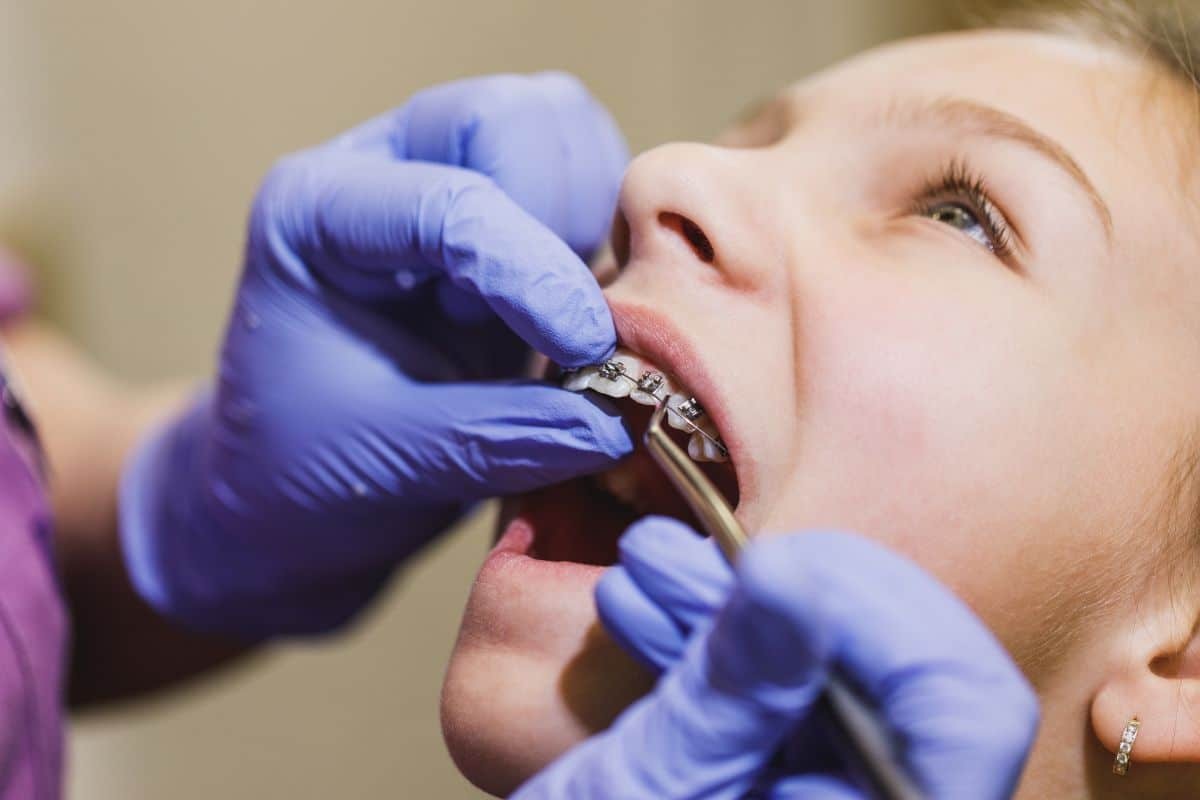
Orthodontic concerns often begin long before all adult teeth come in. Crowding, bite problems, or jaw growth issues can quietly develop during childhood and become more complex over time. For families in Roseville, early orthodontic care plays an important role in guiding healthy dental development. Interceptive orthodontics focuses on identifying and addressing developing dental issues at the right stage of growth, often making future treatment simpler and more comfortable. For parents wondering if early intervention is truly necessary, understanding how interceptive orthodontics works can help clarify its long-term value.
What Is Interceptive Orthodontics?
Interceptive orthodontics refers to early orthodontic treatment, typically recommended for children between the ages of six and ten. At this stage, the jaw is still developing, and baby teeth are gradually being replaced by permanent teeth. Orthodontists can guide this growth to improve alignment and jaw balance.
Rather than waiting until all adult teeth have erupted, interceptive treatment focuses on preventing more serious issues from developing. This proactive approach may include guiding jaw growth, correcting bite irregularities, or making space for incoming teeth, setting the foundation for healthier oral development.
Why Early Evaluation Makes a Difference
An early orthodontic evaluation allows dental professionals to detect subtle issues that may not yet be obvious. Problems such as crossbites, underbites, overcrowding, or thumb-sucking habits can influence how the teeth and jaws develop over time. When addressed early, these concerns are often easier to manage.
Interceptive Orthodontics in Roseville is designed to leverage a child’s natural growth patterns. By guiding development instead of correcting fully formed problems later, orthodontists can reduce the likelihood of more extensive treatment during the teenage years.
How Interceptive Treatment Can Reduce the Need for Braces
One of the most common questions parents ask is whether early orthodontic care can help their child avoid braces altogether. While not every child can bypass braces completely, interceptive treatment often shortens the duration of future orthodontic care or simplifies it significantly.
By creating space for permanent teeth, improving jaw alignment, and correcting bite issues early, interceptive orthodontics can prevent severe crowding or misalignment. In many cases, if braces are still needed later, they may be worn for a shorter time with more predictable results.
Supporting Healthy Jaw and Facial Development
Jaw growth plays a critical role in overall facial balance and oral function. If the upper and lower jaws are not developing in harmony, it can affect chewing, speech, and even breathing. Interceptive orthodontics helps guide jaw growth while bones are still adaptable.
This type of early care supports not only straighter teeth but also proper function and comfort. Parents who visit our dental office in Roseville for early evaluations often appreciate the opportunity to address concerns before they become more complicated.
When Should Parents Consider an Evaluation?
The American Association of Orthodontists recommends that children receive their first orthodontic evaluation by age seven. This does not mean treatment will begin immediately, but it allows professionals to monitor growth and determine the ideal timing if intervention is needed.
Choosing interceptive orthodontics is about planning ahead. It gives parents peace of mind knowing their child’s smile is developing on the right path and helps avoid surprises later.
Take the First Step Toward a Healthier Smile
Early orthodontic care can have lasting benefits, from improved alignment to enhanced oral function. If you are considering Interceptive Orthodontics in Roseville for your child, professional guidance can make all the difference. Contact us today to schedule an evaluation and learn how early treatment may simplify future orthodontic care.
FAQs
1: What age is best for interceptive orthodontic treatment?
Interceptive orthodontic treatment is commonly considered between the ages of six and ten. This is when a child’s jaw is still developing, making it an ideal time to guide growth and address early concerns.
2: Does early orthodontic treatment mean my child won’t need braces later?
Early treatment does not always eliminate the need for braces, but it can reduce the complexity and duration of future orthodontic care by addressing issues before they worsen.
3: What dental problems can interceptive orthodontics help address?
Interceptive orthodontics can help manage crowding, bite irregularities, jaw growth imbalances, and habits such as thumb-sucking that may affect dental development.
4: Is interceptive orthodontic care only for children with visible dental issues?
Not necessarily. Some orthodontic concerns are not immediately visible. An early evaluation helps identify hidden issues and determine whether monitoring or treatment is beneficial.
5: How long does interceptive orthodontic treatment usually last?
The duration varies depending on the child’s needs, but typically lasts several months to a year. Follow-up evaluations help determine if additional care is needed as permanent teeth come in.
6: Why is early orthodontic evaluation recommended even if baby teeth are present?
Baby teeth play an important role in guiding the eruption of permanent teeth. Early evaluations allow orthodontists to ensure proper spacing and alignment before adult teeth erupt.
7: How do I know if my child needs an orthodontic evaluation?
If your child shows signs of crowding, difficulty biting or chewing, early tooth loss, or jaw imbalance, an orthodontic evaluation can help determine the right next steps.
Recent Posts
June 11, 2026
How Long Does It Take for Braces to Close Front Tooth Gaps?

June 1, 2026
Our Orthodontist Explains What Can Go Wrong With Invisalign and How to Stay on Track

May 27, 2026
Our Roseville Orthodontist’s Guide to Eating With New Braces
May 19, 2026
5 Common Invisalign Problems & How to Manage Them
May 13, 2026
Thinking About Invisalign? Here’s How the Process Works
Categories
Orthodontics (44)