
What to Do If a Braces Wire Breaks: Emergency Tips
August 19, 2024
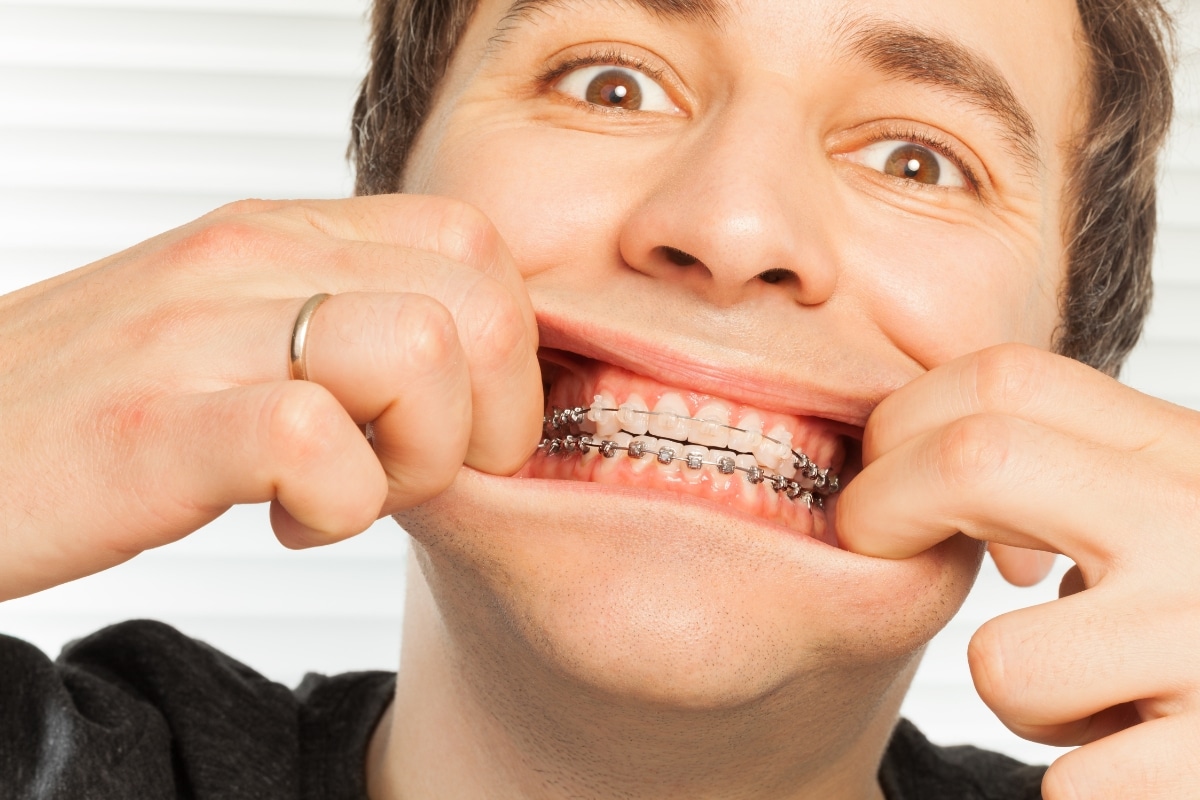
Orthodontic care is a crucial part of achieving a beautiful, healthy smile, but it often comes with a few bumps along the way. One common issue many braces wearers face is a broken wire. Whether it happens during a meal or while brushing your teeth, a broken braces wire can be uncomfortable and concerning. So, what should you do if this happens? Here’s a step-by-step guide to help you manage the situation calmly and effectively.
Why Braces Wires Break
Material Fatigue
Braces wires are made of durable materials, but over time, they can become fatigued. This wear and tear might eventually cause the wire to snap, especially as your teeth move and the wire is under constant tension.
Accidental Damage
Accidents happen, whether it’s a sports injury, a fall, or even biting down too hard on something you shouldn’t. These incidents can lead to a broken braces wire, which can be both painful and alarming.
Eating Hard or Sticky Foods
Certain foods are notorious for causing braces wires to break. Hard candies, nuts, or sticky treats like caramel can easily snag or snap a wire. Avoiding these foods is key to preventing such mishaps.
Immediate Steps to Take When a Braces Wire Breaks
Stay Calm
First things first: don’t panic. A broken wire is a common occurrence and can usually be managed with some basic first aid.
Assess the Situation
Look at where the wire is broken and determine if it’s causing any immediate pain or discomfort. Is it poking your cheek, gums, or tongue? Identifying the problem will help you decide on the next steps.
Use Orthodontic Wax
If the broken wire is poking or irritating your mouth, try covering the sharp end with orthodontic wax. This wax can be found at most pharmacies and will provide temporary relief by preventing the wire from rubbing against your skin.
Avoid Further Damage
Refrain from eating hard or crunchy foods that could worsen the break or cause additional discomfort. Stick to soft foods until you can visit your orthodontist.
Contact Your Orthodontist
It’s important to reach out to your orthodontist as soon as possible. They can advise you on whether you need an immediate appointment or if it can wait until your next scheduled visit.
Prevention Tips
Avoid Certain Foods
As mentioned earlier, steering clear of hard or sticky foods can significantly reduce the risk of a broken wire. Opt for braces-friendly foods like yogurt, soft fruits, and cooked vegetables.
Practice Good Oral Hygiene
Keeping your braces clean is essential. Brushing and flossing carefully around your wires can prevent buildup that might weaken them over time.
Be Careful with Activities
If you participate in contact sports or other physical activities, consider wearing a mouthguard. This can protect your braces and wires from impact.
Regular Check-Ups
Make sure to attend all of your orthodontic appointments. Regular check-ups allow your orthodontist to catch potential issues before they become bigger problems.
Temporary Fixes You Can Do at Home
Using Orthodontic Wax
As previously mentioned, orthodontic wax is a quick and effective solution for managing discomfort caused by a broken wire. Simply mold a small piece of wax and apply it over the sharp end.
Trimming the Wire
If the wire is causing significant pain and you can’t get to your orthodontist right away, you might consider trimming it. Use sterilized nail clippers to carefully cut the wire, but only if you’re confident in doing so.
Rinsing with Saltwater
A broken wire can sometimes cause small cuts or sores in your mouth. Rinsing with warm saltwater can help soothe these areas and reduce the risk of infection.
When to Visit Your Orthodontist
Persistent Pain or Discomfort
If the pain from a broken wire doesn’t go away after taking the above steps, it’s time to visit your orthodontist. They can adjust the wire or replace it as needed.
Risk of Infection
If you notice signs of infection, such as swelling, redness, or pus, you should seek immediate medical attention. An infection could complicate your orthodontic treatment and overall oral health.
Wire Sticking Out
A wire that is sticking out and cannot be comfortably managed at home should be addressed by your orthodontist. They can reposition or replace the wire to ensure it doesn’t cause further issues.
Broken Brackets
If a bracket has come loose in addition to the wire breaking, it’s essential to have it repaired promptly. Leaving a broken bracket untreated can slow down your treatment progress.
How to Manage Discomfort Until Your Appointment
Pain Relief with Over-the-Counter Medications
Taking over-the-counter pain relievers like ibuprofen can help alleviate discomfort until you can see your orthodontist.
Soothing Irritated Gums
Applying a small amount of oral anesthetic gel to the irritated area can provide temporary relief.
Using Cold Compresses
A cold compress applied to the outside of your cheek can reduce swelling and numb the area if you’re experiencing significant discomfort.
Long-Term Solutions
Getting the Wire Replaced
Ultimately, the broken wire will need to be replaced by your orthodontist. They will ensure that the new wire is correctly positioned to continue guiding your teeth into place.
Adjusting the Braces
If your braces are causing frequent issues, your orthodontist may suggest adjustments to the tension or positioning of the wires and brackets.
Switching to Invisalign as an Alternative
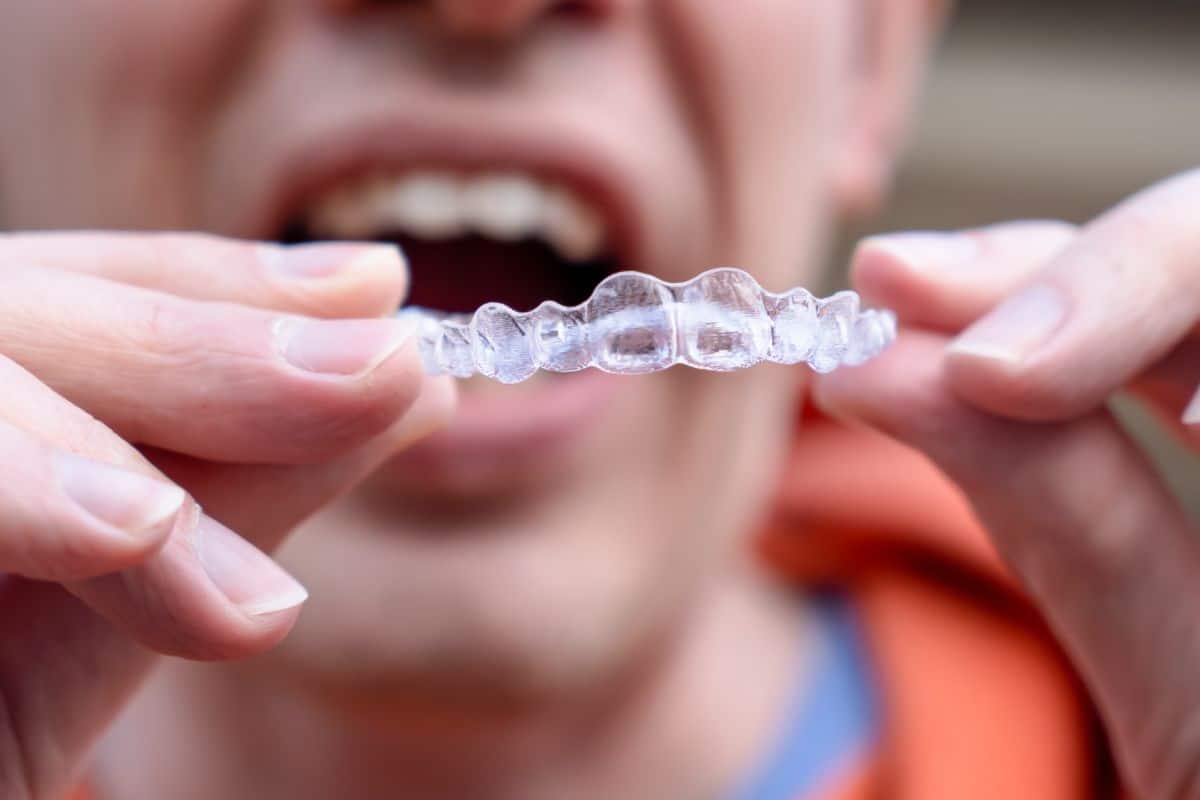
For those who are tired of dealing with broken wires, Invisalign might be a viable alternative. These clear aligners don’t use wires and are less likely to cause such emergencies.
What to Expect During the Orthodontist Visit
Evaluation of the Damage
Your orthodontist will first assess the extent of the damage to the wire and any other parts of your braces.
Repair Process
They will then repair the broken wire or replace it entirely, ensuring that everything is secure and comfortable.
Follow-Up Care Instructions
After the repair, your orthodontist will give you instructions on how to care for your braces and avoid future issues.
How to Avoid Future Wire Breaks
Choosing Braces-Friendly Foods
Opting for soft, easy-to-chew foods will minimize the risk of future wire breaks. Foods like mashed potatoes, smoothies, and scrambled eggs are great choices.
Being Mindful During Physical Activities
Wearing a mouthguard during sports or other physical activities can protect your braces from damage.
Regular Orthodontic Appointments
Staying on top of your appointments ensures that any potential issues are addressed before they become bigger problems.
Understanding the Risks of Ignoring a Broken Wire
Damage to Teeth and Gums
Ignoring a broken wire can lead to damage to your teeth and gums, as the wire may cause cuts or misalignment.
Delays in Treatment
Delaying repairs can extend the overall length of your treatment, affecting the timing of when you’ll achieve your desired smile.
Increased Costs
Prolonged issues with broken wires can lead to more extensive repairs, potentially increasing the cost of your orthodontic treatment.
Benefits of Prompt Treatment
Maintaining Progress
Addressing a broken wire quickly helps keep your treatment on track, ensuring that your teeth continue to move as planned.
Preventing Complications
Prompt treatment prevents complications that can arise from a broken wire, such as infections or misalignment.
Peace of Mind
Knowing that your braces are in good condition and functioning properly provides peace of mind and confidence in your orthodontic journey.
Orthodontic Alternatives to Traditional Braces
Invisalign: A Flexible Option
Invisalign offers a clear, comfortable alternative to traditional braces. These aligners don’t have wires and are less likely to break, making them a popular choice for many patients.
Retainers for Minor Adjustments
For minor adjustments after braces treatment, retainers can be an effective and less problematic solution.
Lingual Braces
Lingual braces are placed behind the teeth, making them less visible and potentially less prone to issues like broken wires.
Conclusion
Dealing with a broken braces wire can be stressful, but knowing how to handle the situation effectively can make a big difference. By staying calm, taking immediate action, and following up with your orthodontist, you can manage the issue and keep your treatment on track. Remember, proper prevention and regular orthodontic care play a significant role in minimizing such emergencies. Stay proactive, and you’ll enjoy a smoother orthodontic journey!
Recent Posts
June 11, 2026
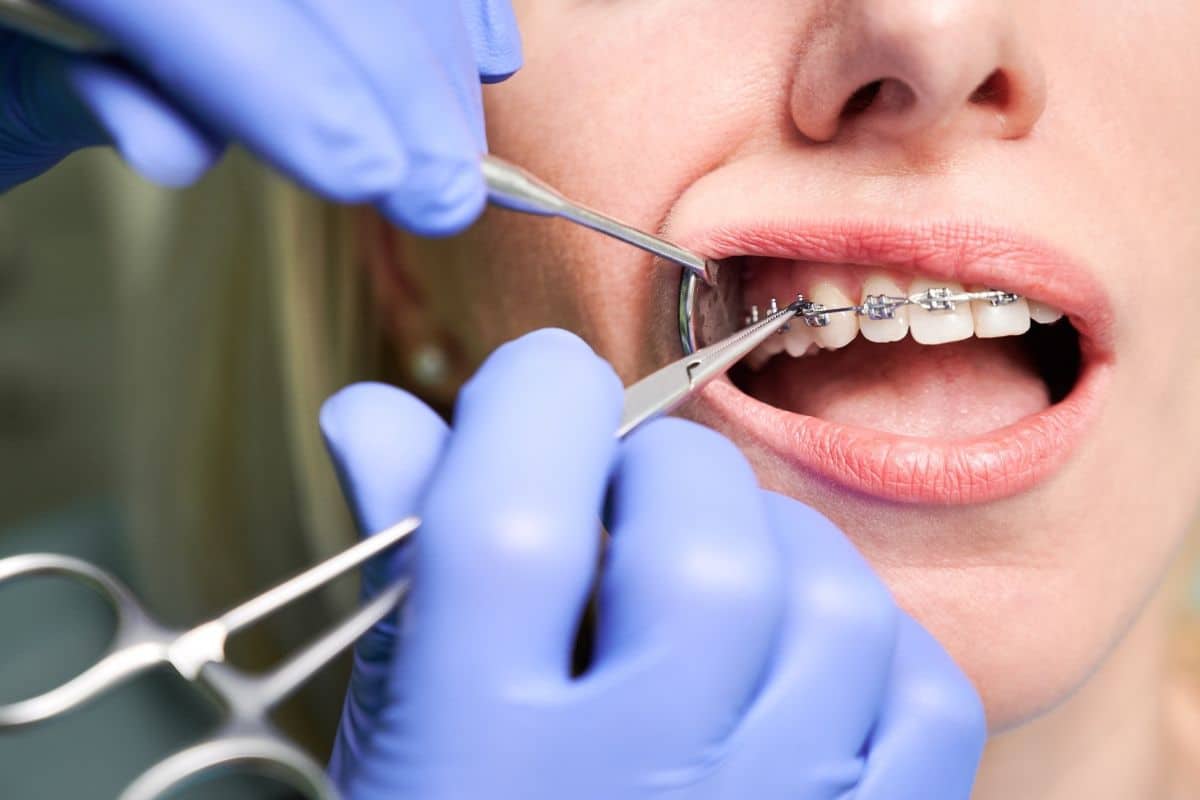
How Long Does It Take for Braces to Close Front Tooth Gaps?
June 1, 2026
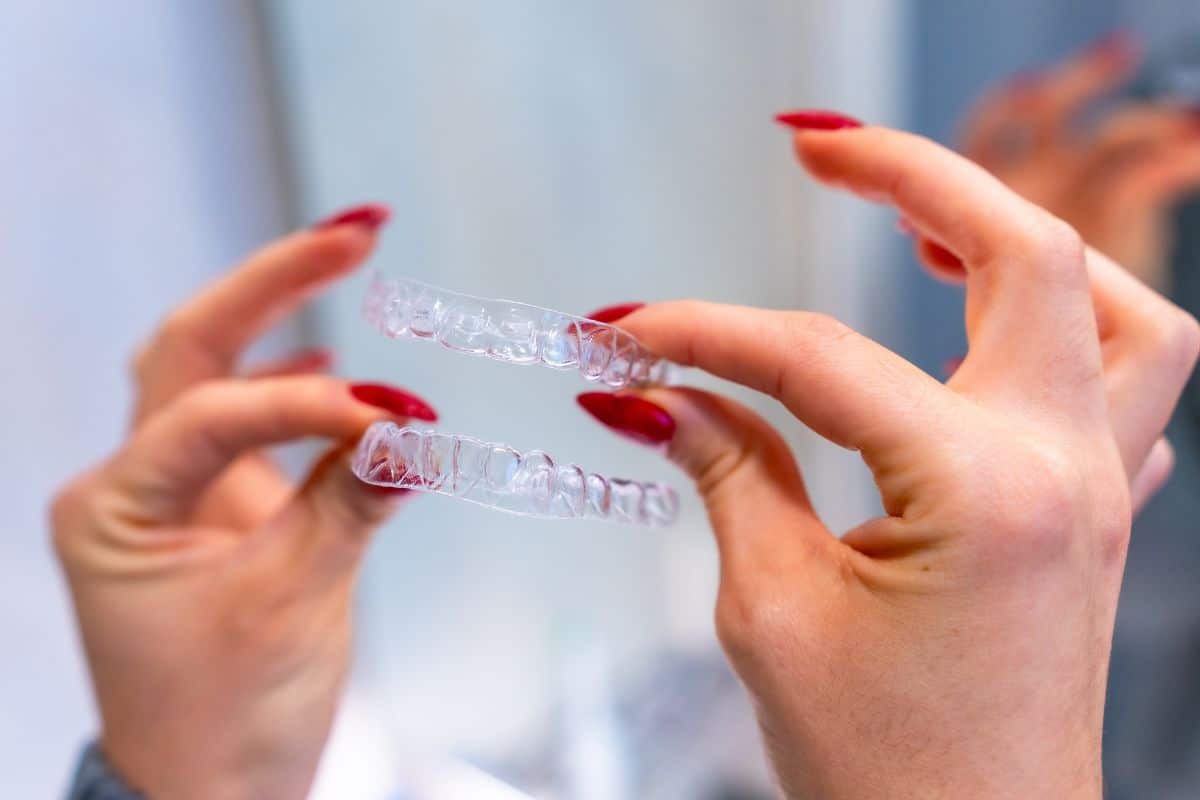
Our Orthodontist Explains What Can Go Wrong With Invisalign and How to Stay on Track

May 27, 2026
Our Roseville Orthodontist’s Guide to Eating With New Braces
May 19, 2026
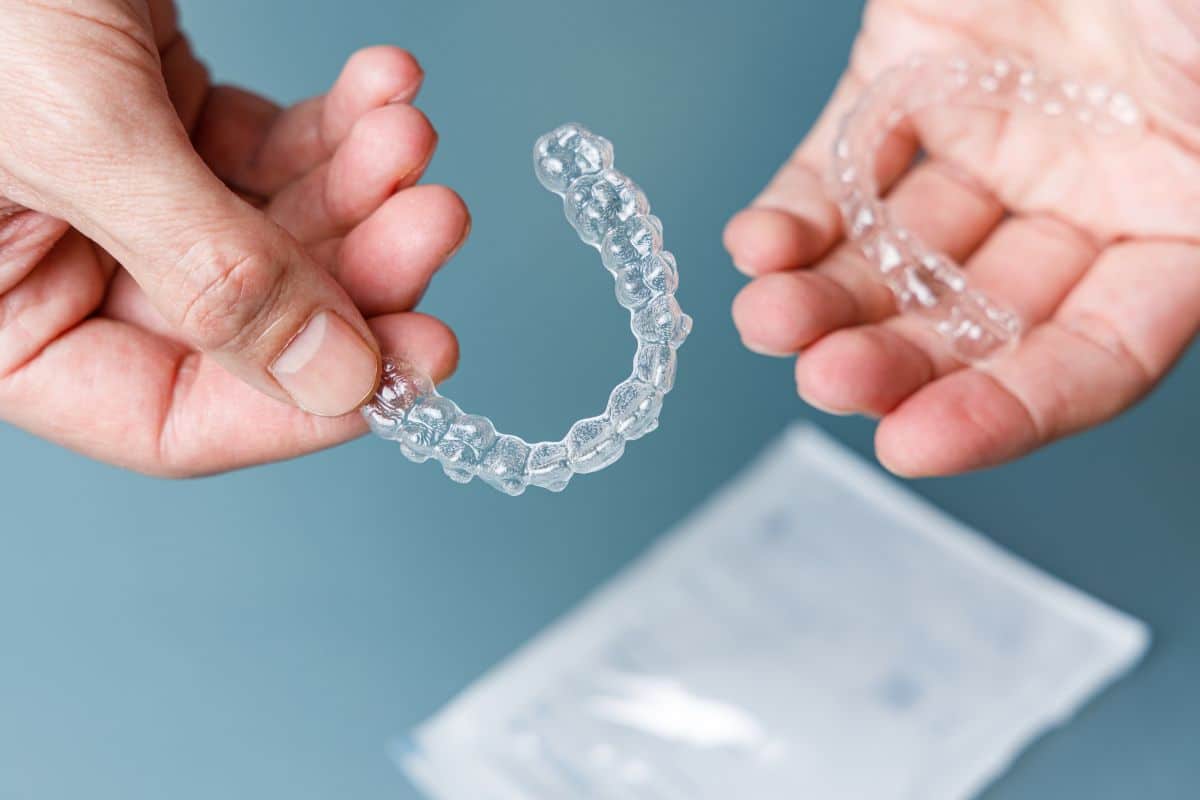
5 Common Invisalign Problems & How to Manage Them
May 13, 2026
Thinking About Invisalign? Here’s How the Process Works
Categories
General dentistry (32)