
How Soon Do Braces Work? Braces Progress Timeline
October 22, 2024
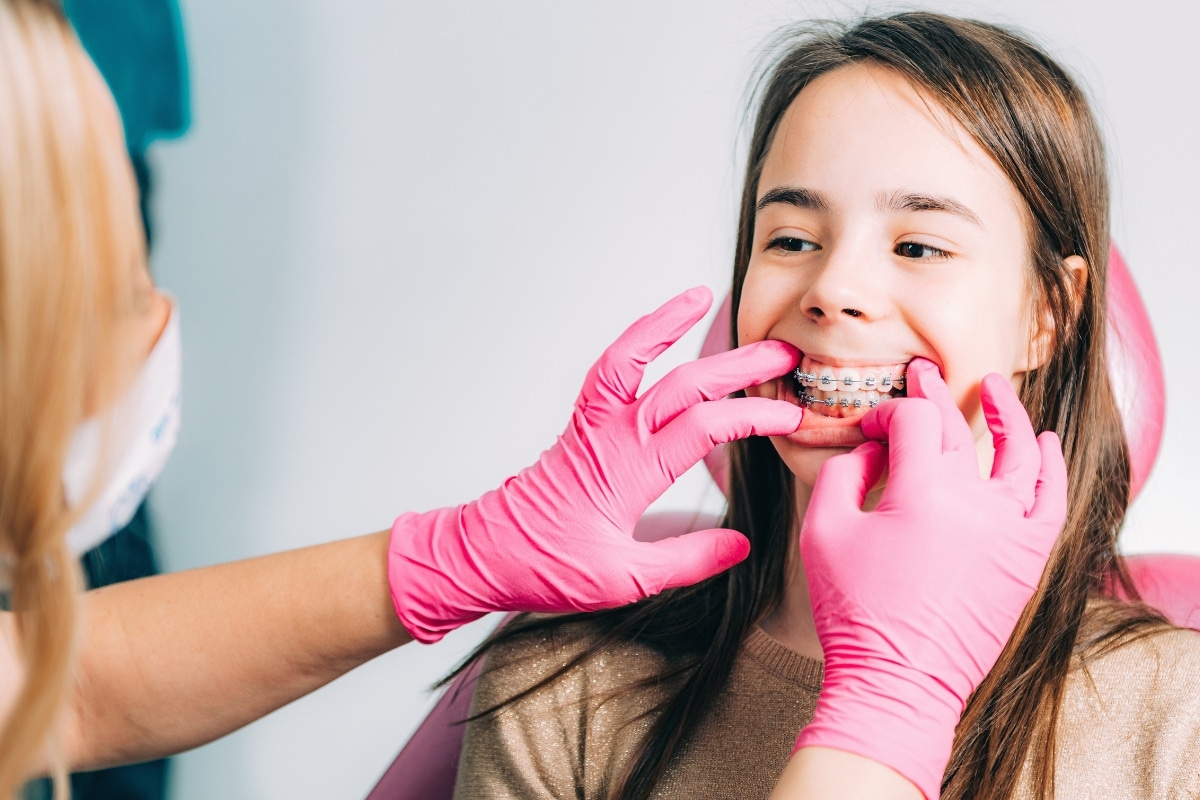
Braces are one of the most trusted methods for correcting misaligned teeth, crowded smiles, and bite issues. But one of the most pressing questions for anyone starting orthodontic treatment is: “How soon do braces work?” This depends on various factors such as the type of braces, severity of the issue, and how closely patients follow instructions. This guide will walk you through the braces progress timeline, from the first day of treatment to getting braces off, and provide key tips on braces after care to keep your smile looking perfect.
What Are Braces?
Braces are orthodontic appliances used to correct misaligned teeth and bites. They consist of small brackets affixed to the teeth, connected by wires that apply steady pressure to shift teeth into their proper positions. There are different types of braces:
- Traditional metal braces: The most common and effective option.
- Ceramic braces: Made from tooth-colored material, these are less visible than metal braces.
- Lingual braces: Placed behind the teeth, offering a more discreet option.
- Invisalign: Clear, removable aligners that are popular among adults and teens.
Each type of braces functions similarly by gradually shifting the teeth, though the material and method may affect how quickly you notice changes.
Factors Influencing Braces’ Effectiveness
Several factors influence how fast braces work:
- Severity of misalignment: More complex issues, such as severe crowding or jaw alignment problems, will take longer to correct.
- Type of braces: Traditional metal braces tend to work faster than Invisalign or other alternatives.
- Age and bone density: Younger patients usually see faster results because their bones are still growing and more malleable.
- Patient compliance: Wearing rubber bands, following dietary restrictions, and attending regular check-ups all contribute to a faster treatment timeline.
- Oral hygiene: Maintaining good oral hygiene is critical to preventing complications like gum disease, which can delay progress.
How Soon Do Braces Start Working?
Braces start working immediately, but you may not see visible changes for the first few weeks. During this initial period, you’ll likely experience some discomfort as your teeth begin adjusting to the new pressure. However, within 1 to 2 months, small shifts become noticeable, and you’ll start seeing your teeth align.
Braces Progress Timeline: What to Expect
The First Few Weeks
In the first few weeks, it’s common to feel soreness as your teeth and mouth adjust to the braces. Though your teeth are beginning to shift, the changes may not be visible. You’ll need to stick to a soft diet and be cautious with oral hygiene.
Months 1 to 3
As your teeth continue to shift, you’ll notice significant progress in their alignment. Regular orthodontist visits for tightening and adjustments ensure your treatment stays on track. By the end of the third month, many patients report visible improvements.
Months 4 to 6
This is when braces progress becomes more evident. Teeth continue to move into better alignment, and you may notice changes in your bite. Pain and discomfort should diminish by this stage, and you’ll become more accustomed to wearing braces.
Months 7 to 12
By this time, most of the significant adjustments to your teeth’s position will have been made. Now, the focus shifts to fine-tuning the alignment and ensuring that your bite is correctly positioned. You’ll continue to visit your orthodontist in Roseville for regular adjustments.
1 Year and Beyond
For more complex cases, treatment may extend beyond one year. By this point, you’ll be in the final stages of braces progress, with your teeth in their optimal positions. You’ll be on track for getting braces off soon, but your orthodontist may continue to make small adjustments to perfect your smile.
Accelerating Braces Progress
To speed up your treatment, follow these tips:
- Use of elastics and expanders: Elastics help correct bite issues, while expanders create more space in your mouth, speeding up the alignment process.
- Consistent orthodontist appointments: Regular check-ups allow for timely adjustments, ensuring that your treatment stays on schedule.
- Good oral hygiene: Preventing plaque buildup and gum disease allows your teeth to shift smoothly and without delays.
Challenges During Braces Treatment
Braces come with their share of challenges, including:
- Discomfort and soreness: Especially after tightening sessions.
- Dietary restrictions: Avoiding sticky, hard, or crunchy foods is crucial to prevent damaging the braces.
- Maintaining oral hygiene: With braces, it’s harder to clean around the brackets and wires, so extra effort is needed to avoid cavities and gum disease.
Braces After Care: Retainers and Long-Term Maintenance
After getting braces off, you’ll enter the braces after care phase. Retainers play a crucial role in keeping your teeth aligned after braces. Without a retainer, your teeth may start to shift back to their original positions. Maintaining proper oral hygiene, wearing your retainer as prescribed, and attending regular dental check-ups are all essential steps in long-term dental health.
Types of Retainers:
- Fixed retainers: Bonded to the back of your teeth for long-term stability.
- Removable retainers: Often worn at night to prevent teeth from shifting.
How to Know When Braces Are Working
You’ll know your braces are working when your teeth begin to move into a more aligned position. Regular visits to your orthodontist allow them to track your progress and make necessary adjustments. Your orthodontist will also let you know if your treatment is proceeding as expected, or if additional measures are needed to keep things on track.
Braces vs. Invisalign: Speed and Effectiveness
Braces typically work faster than Invisalign for more complex cases. Traditional braces apply continuous pressure, making them ideal for correcting significant alignment issues. Invisalign, on the other hand, is suitable for milder cases but may take longer to achieve the same results. The decision between the two depends on your specific dental needs and your lifestyle.
Patient Success Stories and Testimonials
Many patients who have undergone braces treatment report noticeable progress within the first few months. By following their orthodontist’s advice, sticking to treatment plans, and maintaining good oral hygiene, they achieve beautiful results after getting braces off.
Conclusion
The braces progress timeline varies for each patient, depending on factors like the type of braces used, the severity of misalignment, and patient compliance. Most people notice changes within the first few months, with full results typically achieved within 1 to 3 years. With proper braces after care, including the use of retainers, your new smile will last a lifetime.
Recent Posts
June 1, 2026
Our Orthodontist Explains What Can Go Wrong With Invisalign and How to Stay on Track

May 27, 2026
Our Roseville Orthodontist’s Guide to Eating With New Braces
May 19, 2026
5 Common Invisalign Problems & How to Manage Them
May 13, 2026
Thinking About Invisalign? Here’s How the Process Works
May 8, 2026
Why Roseville Locals Are Turning To Orthodontics For Better Oral Health?
Categories
Uncategorized (7)