
Beyond Aesthetics: The Structural Link Between Tooth Alignment and Oral Health
July 27, 2026
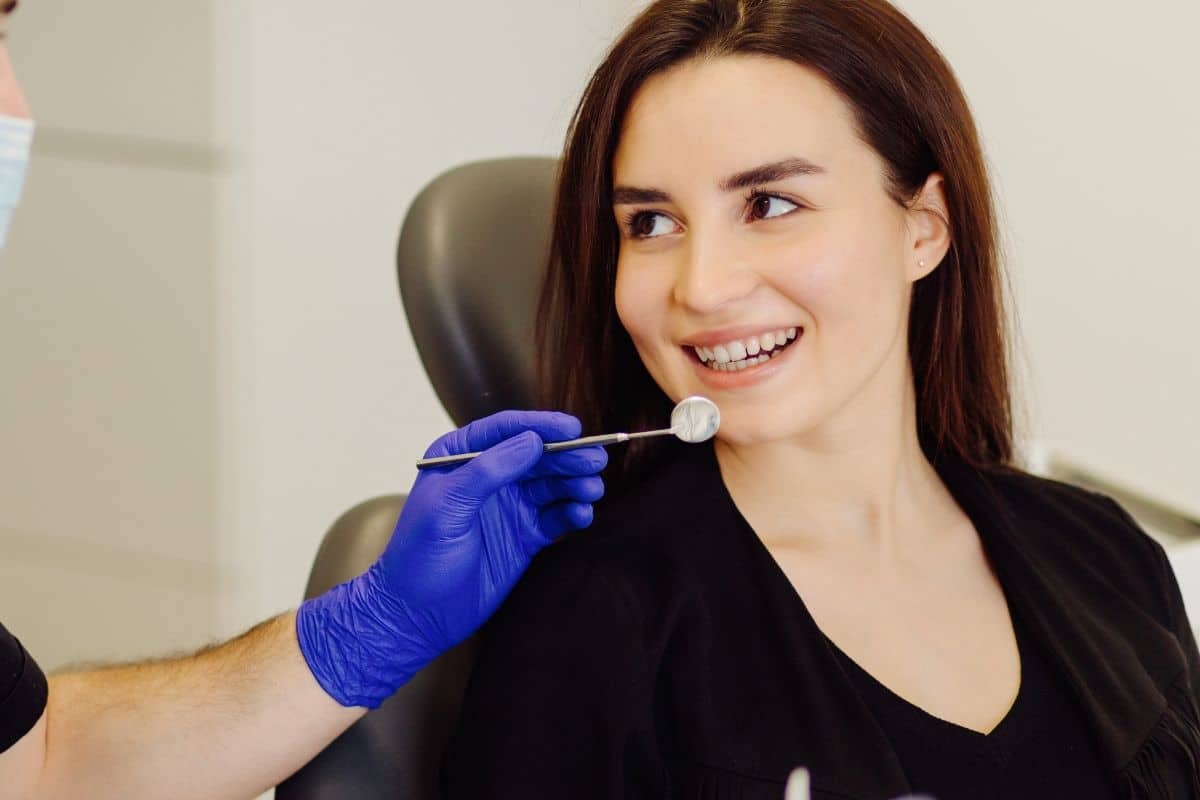
When people think about orthodontic care, they usually imagine straight, picture-perfect smiles. However, as modern clinical research continues to reveal, a symmetrical smile is merely a side benefit of a far more fundamental objective: optimal physiological function. Tooth alignment plays a central structural role in protecting your teeth against uneven wear, enamel fractures, structural decay, and chronic jaw joint strain. Understanding how your bite alignment influences your long-term oral environment allows you to make informed decisions regarding your dental health.
At Dunn Orthodontics, led by Dr. Marc Dunn, our practice combines advanced orthodontic techniques with personalized diagnostic care to ensure every smile achieves maximum health and harmony. If you are eager to explore modern clear aligner solutions, you can learn more about Invisalign treatment options to discover how discreet realignment supports lasting structural wellness.
How Does Straightening Your Teeth Prevent Tooth Decay and Cavities?
Proper tooth alignment significantly reduces the risk of tooth decay by eliminating tight, overlapping crevices where food debris and plaque collect. When teeth sit in their ideal anatomical positions, all enamel surfaces become accessible to standard brushing and flossing. This structural clarity dramatically improves daily hygiene efficiency and stops bacterial acid erosion before cavities form.
When teeth overlap, rotate, or crowd together within the dental arch, they create narrow, tight pockets that toothbrush bristles and dental floss simply cannot navigate. Over time, trapped food particles feed acid-producing oral bacteria, forming a stubborn biofilm that clings to enamel surfaces. As these bacterial colonies flourish, their acidic byproducts continuously dissolve natural tooth minerals, leading to irreversible decay and deep structural cavities.
When teeth are moved into proper arch alignment, the mechanical advantage during cleaning changes entirely. Aligned teeth allow floss to glide smoothly between contact points and allow toothbrush bristles to sweep away biofilm effortlessly. Choosing a modern solution like invisalign treatment in Roseville allows adults and teens to align their arch structures while maintaining flawless hygiene throughout treatment, as removable aligner trays eliminate the plaque-trapping hardware associated with traditional metal appliances.
Why Do Misaligned Teeth Cause Uneven Enamel Wear and TMJ Stress?
Misaligned teeth distribute bite forces unevenly across your mouth, placing excessive mechanical stress on individual teeth during chewing. This abnormal pressure strips away protective tooth enamel and puts unnatural strain on the temporomandibular joint (TMJ). Correcting your bite balance protects enamel integrity and alleviates chronic jaw fatigue and facial tension.
Your mouth is a complex biomechanical system engineered to distribute hundreds of pounds of pressure evenly across your molars when chewing. When teeth are misaligned, whether due to an overbite, underbite, crossbite, or severe crowding, that delicate balance breaks down. Instead of distributing bite pressure across broad chewing surfaces designed to handle heavy loads, misaligned teeth concentrate force onto isolated edges and points.
Over time, this unnatural localized friction causes several severe dental complications:
- Accelerated Enamel Erosion: Repeated unnatural contact strips away the hard outer enamel, exposing the sensitive dentin layer beneath and triggering sharp temperature sensitivity.
- Structural Chipping and Cracking: Heavy biting forces concentrated on thin incisor edges frequently cause teeth to chip, crack, or fracture prematurely.
- Micro-Fractures Near the Gumline: Excessive lateral pressure on misaligned teeth can flex the tooth structure, causing microscopic enamel notches near the root base.
- Temporomandibular Joint (TMJ) Dysfunction: When your upper and lower teeth do not mesh smoothly, your jaw muscles must strain to compensate, leading to joint clicking, muscle soreness, and tension headaches.
Restoring proper alignment establishes what dentists call a “mutually protected occlusion.” In this ideal state, the back teeth shield the front teeth during heavy biting, while the front teeth guide the jaw smoothly during lateral movements.
Investing in a customized invisalign treatment in Roseville offers a predictable method for balancing these bite vectors, safeguarding your natural enamel from premature destruction and relieving stress on your jaw joint.
Aligned vs. Misaligned Dental Structures: A Structural Comparison
To visualize how proper tooth positioning fundamentally alters your long-term oral environment, examine the direct clinical differences between aligned and misaligned arches:
| Health & Functional Metric | Properly Aligned Teeth | Misaligned / Crowded Teeth |
| Plaque & Debris Trapping | Minimal; smooth surfaces allow effortless daily plaque removal. | High; tight overlaps trap debris and foster hidden bacterial colonies. |
| Enamel Wear Distribution | Uniformly distributed across broad chewing surfaces designed for pressure. | Accelerated, localized wearing, leading to chips, cracks, and sensitive dentin. |
| Jaw Joint (TMJ) Mechanics | Smooth, natural hinge motion free from compensatory muscle strain. | Unbalanced force distribution causing joint strain, clicking, and tension. |
| Cleaning Accessibility | Floss glides easily between all contact points without fraying. | Floss shreds or fails to penetrate tight, overlapping tooth contacts. |
| Long-Term Tooth Longevity | High structural stability; lower risk of premature tooth loss or fractures. | Reduced longevity due to compounding decay, fractures, and unnatural forces. |
What Role Does Tooth Alignment Play in Digestion and Everyday Local Lifestyle?
Proper tooth alignment is the critical first stage of efficient digestion, allowing your teeth to grind food into small, easily digestible particles. Well-aligned teeth enable thorough mastication, which optimizes salivary enzyme breakdown and minimizes gastrointestinal strain. A balanced bite also lets you enjoy active, culinary lifestyles without chewing discomfort or dietary restrictions.
Digestion does not begin in your stomach; it begins in your mouth. Teeth are designed to function as precision shearing and grinding instruments. When your teeth are aligned correctly, they break down complex fibrous foods, lean proteins, and raw vegetables efficiently. Thorough mastication exposes a larger surface area of your food to digestive enzymes present in your saliva, ensuring seamless nutrient extraction once the food reaches your digestive tract.
Conversely, individuals with severe malocclusions often swallow larger, inadequately chewed pieces of food. This forces the digestive system to work significantly harder, frequently leading to indigestion, bloating, and reduced nutrient uptake.
This physiological reality connects directly to your daily life and dining experiences. Whether you are strolling through Downtown Roseville around Vernon Street Town Square, grabbing a quick bite after a walk along the Miners Ravine Trail, or sitting down for artisanal wood-fired pizza and fresh regional dishes at popular neighborhood spots, eating should be effortless and enjoyable.
Straight teeth allow you to bite through crispy artisan crusts, fresh local produce, and firm meats without worrying about sudden tooth pain, trapped food particles, or jaw strain. Embracing an expert invisalign treatment in Roseville ensures that your bite remains fully equipped to enjoy every local culinary experience with complete confidence and total comfort.
How Modern Clear Aligners Protect Long-Term Dental Integrity
Modern clear aligners gently move teeth into their ideal positions using custom-engineered, transparent polymer trays. By eliminating fixed metal brackets and wires, clear aligners allow patients to maintain uncompromised oral hygiene during treatment. This preventative approach safeguards tooth enamel and structural health while correcting complex alignment issues.
Historical orthodontic treatments relied exclusively on metal brackets and elastic bands. While effective at moving teeth, fixed hardware creates numerous physical obstacles to daily oral care. Food particles easily collect around brackets, and flossing requires specialized threaders that many patients find tedious. Consequently, traditional braces can sometimes lead to localized decalcification, commonly known as “white spot lesions” around the metal components during treatment.
Clear aligner technology completely redefines this experience. Fabricated from smooth, medical-grade plastics, custom aligners fit snugly over your teeth to apply gentle, continuous pressure. Because the aligners are fully removable, your daily hygiene routine remains completely unchanged:
- Unrestricted Flossing: Simply remove your aligners to floss between every tooth without navigating wires.
- Comprehensive Brushing: Clean all enamel surfaces thoroughly to eliminate daily plaque buildup.
- No Dietary Sacrifices: Enjoy your favorite foods without worrying about bending wires or loosening brackets.
By maintaining pristine oral hygiene throughout your alignment process, you actively protect your enamel from decay while building a healthier, more balanced smile.
Take the Next Step Toward Lasting Health and Harmony
Proper tooth alignment is far more than an aesthetic goal; it is a vital pillar of lifelong oral health. By eliminating plaque traps, protecting tooth enamel from abnormal wear, reducing joint strain, and enhancing digestive function, structural orthodontic care safeguards your smile for decades to come. Every mouth possesses unique anatomical characteristics, and achieving ideal alignment requires a detailed clinical evaluation tailored to your specific bone structure and lifestyle needs.
We invite you to visit our dental office in Roseville to schedule a comprehensive, personalized diagnostic evaluation with our experienced clinical team. We will examine your unique bite mechanics, discuss your health goals, and outline a custom roadmap to help you achieve a resilient, functional, and beautifully aligned smile.
Frequently Asked Questions
Q1: How does straight tooth alignment help prevent cavities?
A: Straight teeth eliminate tight, overlapping spaces where food particles and plaque collect. This structural improvement allows toothbrush bristles and floss to reach all surfaces, stopping bacterial decay before cavities form.
Q2: Can misaligned teeth cause permanent enamel damage?
A: Yes, misaligned teeth create uneven contact points that concentrate heavy biting forces on isolated areas. Over time, this abnormal pressure chips, cracks, and strips away protective enamel, exposing delicate underlying tooth structures.
Q3: Will correcting my bite help relieve jaw joint pain?
A: Aligning your arch structure creates a balanced bite that distributes chewing forces evenly across all teeth. This balance reduces strain on your temporomandibular joint, frequently alleviating chronic jaw soreness and facial tension.
Q4: Are clear aligners as effective as traditional braces for structural corrections?
A: Advanced clear aligner systems predictably treat a wide array of crowded, spaced, or misaligned teeth. They deliver excellent clinical outcomes while allowing you to remove the trays for uncompromised brushing and flossing.
Q5: How does improper bite alignment impact my digestive health?
A: Misaligned teeth prevent thorough mastication, causing you to swallow larger food particles that are harder to digest. Proper tooth alignment restores efficient chewing, maximizing nutrient absorption and easing stomach strain.
Q6: Is it ever too late in life to align misaligned teeth?
A: Healthy teeth can be moved safely at any age because bone tissue continually responds to gentle orthodontic pressure. Adults frequently realign their smiles to prevent ongoing enamel wear and preserve long-term tooth health.
Q7: What occurs during an initial orthodontic diagnostic evaluation?
A: Our clinical team performs a thorough anatomical examination, captures high-resolution digital imagery, and evaluates your bite mechanics. We then design a personalized treatment plan customized specifically to your unique oral health requirements.
Recent Posts
October 27, 2026
Why Does Your Bite Feel Uneven? The Orthodontic Problem You May Be Missing
October 16, 2026
Braces After 40: Is It Too Late to Correct Years of Crooked Teeth?
October 16, 2026
One Tooth Sticking Out? When a Small Alignment Problem Needs Attention
October 16, 2026
Can Invisalign Fix an Overbite, or Do You Really Need Braces?
October 16, 2026
Does Your Child Have an Underbite? What Parents Need to Know Before Age 10
Categories
Invisalign (39)