
Does Your Child Have an Underbite? What Parents Need to Know Before Age 10
October 16, 2026
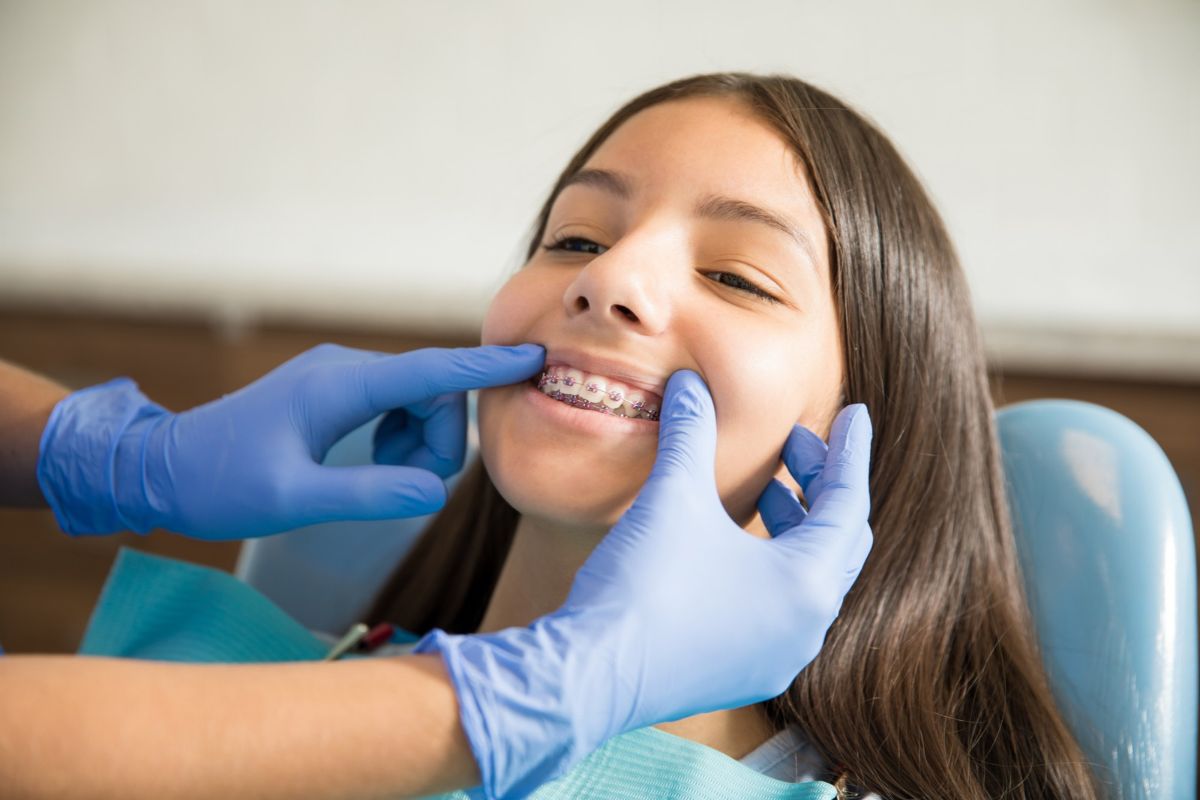
When your child smiles or bites down, do their lower front teeth sit in front of their upper teeth? This may be a sign of an underbite. Some underbites are easy to notice, while others become apparent only during a dental examination.
At Dunn Orthodontics, families in Roseville, CA, can have their children’s bite development evaluated to determine whether early orthodontic treatment is appropriate.
An underbite does not always require immediate treatment. However, certain cases benefit from assessment while a child is still growing.
What Exactly Is an Underbite?
An underbite occurs when the lower front teeth sit ahead of the upper front teeth when the jaws close.
The condition can involve tooth positioning, jaw relationships, or both.
A dental underbite may develop when the upper front teeth are positioned too far backward or the lower front teeth are positioned too far forward.
A skeletal underbite involves differences in how the upper and lower jaws grow.
Some children have both dental and skeletal factors.
Identifying the cause matters because treatment options differ.
What Causes an Underbite in Children?
Several factors may contribute to the development of an underbite.
Genetics and Family History
Jaw shape and growth patterns are influenced by genetics.
Children with relatives who have prominent lower jaws may be more likely an develop similar jaw relationships.
However, family history does not guarantee that a child will develop an underbite.
Differences in Upper and Lower Jaw Growth
An underbite may occur when the upper jaw is relatively small, the lower jaw is relatively prominent, or both.
These differences may become more noticeable as a child grows.
Tooth Positioning
Sometimes the jaw relationship is relatively normal, but the front teeth erupt into positions that create an anterior crossbite.
This distinction can affect treatment planning.
Functional Jaw Shifting
Certain children move their lower jaw forward to bring their teeth together comfortably.
An orthodontist can examine whether the bite is causing this movement.
What Signs Should Parents Watch For?
Parents may notice several changes.
- Lower front teeth overlap the upper front teeth.
- The chin appears prominent when the child closes their mouth.
- The child has difficulty biting into certain foods.
- Front teeth appear to meet edge to edge.
- The jaw moves forward during closure.
- The child reports discomfort while chewing.
Not every child with an underbite experiences pain or difficulty eating.
Some children have no noticeable symptoms.
A dental examination remains the most reliable way to identify the problem.
Why Is an Orthodontic Evaluation Recommended Before Age Seven?
The American Association of Orthodontists recommends that children receive an initial orthodontic evaluation by age seven.
At this age, enough permanent teeth have often emerged for an orthodontist to identify developing bite concerns.
Certain underbites may benefit from treatment during growth.
Other cases require monitoring because the jaw continues to grow through adolescence.
An evaluation before age ten can help parents understand whether treatment timing matters for their child.
Can Phase 1 Orthodontics Correct an Underbite?
Phase 1 orthodontics may help address selected underbites during childhood.
Treatment depends on whether the problem is primarily dental or skeletal.
For some children, orthodontic appliances can guide tooth position or encourage changes in upper-jaw development.
In other cases, treatment may involve correcting an anterior crossbite.
Not every skeletal underbite can be fully corrected through early orthodontics.
Some patients require additional treatment after growth, and severe skeletal differences may eventually require surgical evaluation.
At Dunn Orthodontics, Dr. Dunn assesses jaw relationships, tooth positions, and growth before discussing available treatment approaches.
What Happens If an Underbite Is Left Untreated?
Effect varies,:some underbites remain relatively stable, while others become more pronounced during growth.
Depending on severity, an underbite may contribute to uneven tooth wear, difficulty biting, or concerns about dental appearance.
A developing crossbite may also affect how a child closes their jaw.
However, untreated underbites do not always cause severe complications.
An orthodontist can explain the risks associated with your child’s particular condition.
Can Braces Fix an Underbite During the Teenage Years?
Braces can correct tooth positions and certain bite relationships.
For some teenagers, orthodontic treatment alone may provide satisfactory correction.
Braces may not fully correct more pronounced skeletal underbites.
The treatment plan depends on jaw growth, dental alignment, and the severity of the discrepancy.
That is why an early evaluation can help, even when comprehensive treatment happens later.
When Should Roseville Parents Schedule an Evaluation?
Parents should consider an appointment when the lower front teeth sit ahead of the upper teeth, or the jaw shifts noticeably while closing.
Families in Roseville, Lincoln, Rocklin, and Granite Bay can seek an orthodontic evaluation when these concerns arise.
Waiting until adolescence is not always necessary.
Early assessment provides an opportunity to identify whether growth-related treatment may help.
Understand Your Child’s Bite Before More Growth Occurs
An underbite deserves attention, particularly when it affects chewing or becomes more noticeable during childhood.
At Dunn Orthodontics, Dr. Dunn evaluates developing bite concerns and helps parents understand when orthodontic treatment may be beneficial.
Call (916) 788-0202 to schedule your child’s orthodontic consultation in Roseville, CA.
Frequently Asked Questions
1. Can an underbite correct itself as a child grows?
Some dental relationships change during development, but significant underbites generally won’t resolve naturally. Our orthodontist can monitor growth and recommend appropriate care.
2. Does every child with an underbite need braces?
No. Some children need observation, while others may benefit from appliances or braces. Treatment depends on the cause and severity.
3. Where can I get my child’s underbite checked in Roseville?
Families can schedule an orthodontic evaluation in Roseville to examine jaw growth, tooth alignment, and available treatment options.
4. Is underbite treatment painful for children?
Orthodontic appliances may cause temporary pressure or soreness. Significant or persistent pain should be reported to the orthodontic team.
5. Can a child from Lincoln receive early orthodontic treatment in Roseville?
Yes. Families from Lincoln and surrounding communities can arrange orthodontic consultations in Roseville to discuss their children’s bite concerns.
6. Can early treatment prevent underbite surgery later?
Early treatment may improve selected underbites, but it cannot guarantee that surgery will be avoided. Severe skeletal discrepancies sometimes require treatment after jaw growth is complete.
Recent Posts
October 27, 2026
Why Does Your Bite Feel Uneven? The Orthodontic Problem You May Be Missing
October 16, 2026
Braces After 40: Is It Too Late to Correct Years of Crooked Teeth?
October 16, 2026
One Tooth Sticking Out? When a Small Alignment Problem Needs Attention
October 16, 2026
Can Invisalign Fix an Overbite, or Do You Really Need Braces?
October 16, 2026
Does Your Child Have an Underbite? What Parents Need to Know Before Age 10
Categories
Underbite Treatment (1)