
First Invisalign Consultation Explained: Steps, Costs, and What Happens Next
June 22, 2026
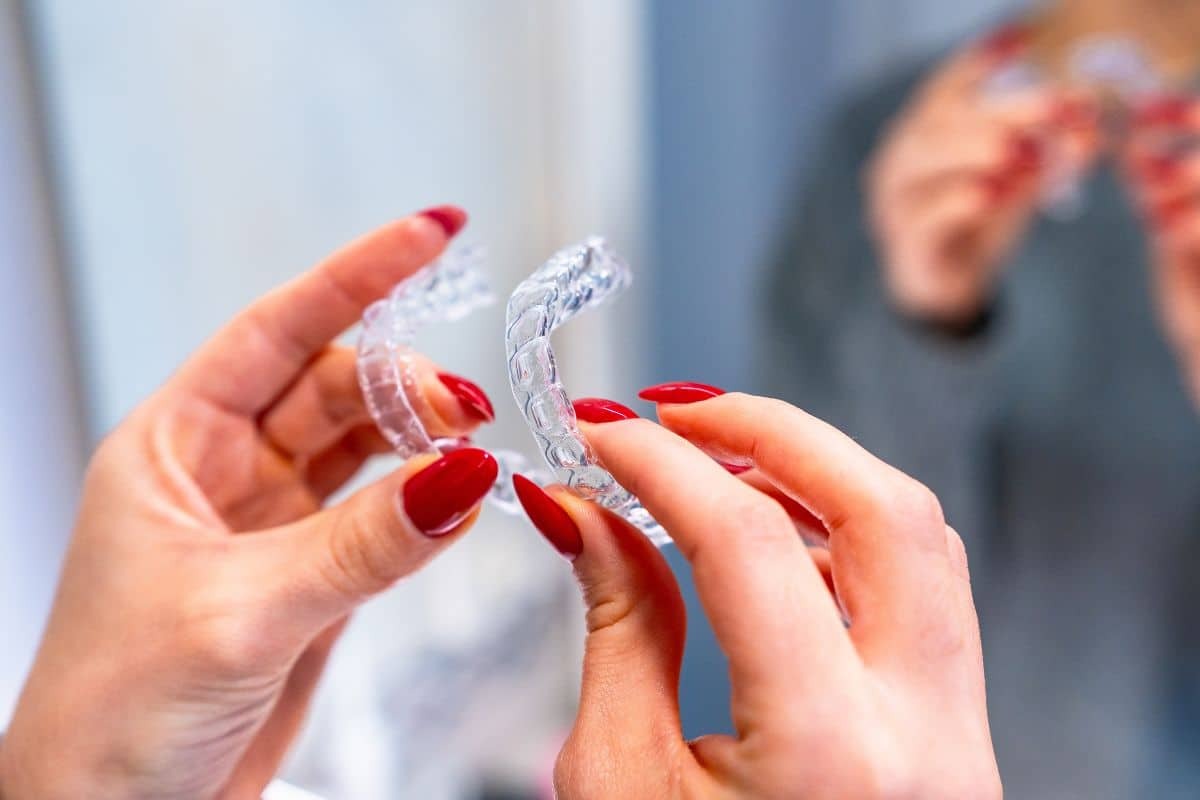
Are you thinking about straightening your teeth but unsure what happens during your first consultation?
Many people delay orthodontic care because they do not know what to expect during the initial visit. Queries about treatment steps, cost estimates, timelines, and candidacy often create uncertainty. At Dunn Orthodontics, patients from Roseville and nearby communities, including Rocklin, Granite Bay, Lincoln, and Citrus Heights, frequently ask these same questions before starting treatment.
If you are considering invisalign in Roseville, understanding the consultation process can help you feel more prepared and confident.
During the first visit, Dr.Dunn evaluates your smile, discusses your goals, reviews treatment options, and explains what comes next. This guide walks through every stage of the consultation, provides realistic information about treatment costs, and explains how modern orthodontic technology helps create a customized treatment plan.
What Happens During Your First Consultation?
Your first consultation focuses on evaluating your smile, identifying alignment concerns, and determining whether removable orthodontic treatment is appropriate for your needs.
Most consultations begin with a conversation rather than treatment. The orthodontic team wants to understand what concerns you most about your smile.
Some patients want straighter front teeth. Others want to improve bite alignment, spacing, crowding, or overall oral function. Your goals help guide the discussion and treatment recommendations.
The appointment typically includes:
- Review of dental and medical history
- Smile evaluation
- Bite assessment
- Digital photographs
- Digital scans or imaging
- Discussion of treatment options
- Preliminary cost and financing information
This visit allows patients to gather information without pressure and learn whether a modern teeth-straightening solution fits their needs.
How Does the Orthodontic Evaluation Work?
The orthodontic evaluation identifies tooth position, bite relationships, and movement requirements before treatment begins.
Digital Records and Smile Analysis
Many orthodontic offices now use digital technology instead of traditional impressions.
Digital scanning creates a highly detailed model of your teeth. These scans help evaluate crowding, spacing, overbites, underbites, crossbites, and other alignment concerns.
This examination supports accurate digital smile planning, allowing the orthodontist to map tooth movement before treatment starts.
Discussion With The Orthodontist- Dr.Dunn
After reviewing your records, the dental practitioner explains:
- Current alignment concerns
- Treatment objectives
- Expected timeline
- Potential challenges
- Available treatment options
Patients often appreciate having a clear understanding of their condition before making a decision.
Am I a Candidate for This Type of Treatment?
Many teens and adults qualify, but eligibility depends on the complexity of the orthodontic issues being treated.
Today’s custom aligners can address a wide range of concerns, including:
- Mild to moderate crowding
- Gaps between teeth
- Rotated teeth
- Certain bite issues
- Relapse after previous orthodontic treatment
This form of discreet orthodontic treatment appeals to professionals, college students, and adults who want a less noticeable option.
Many patients seeking adult orthodontics choose this approach because the trays are removable and fit easily into daily routines.
Not every case is identical. Some complex situations may require alternative treatment approaches. That is why a professional consultation remains important before beginning any dental treatment.
What Questions Should You Ask During the Consultation?
A consultation is not only about receiving information. It is also an opportunity to ask questions.
Consider discussing:
How Long Will Treatment Take?
Treatment timelines vary depending on the amount of tooth movement required. Some cases finish relatively quickly, while others require a longer treatment period.
How Often Are Follow-Up Visits?
Most patients return periodically so the orthodontist can monitor progress and provide the next set of trays.
What Happens If I Forget to Wear My Trays?
Consistent wear plays a major role in treatment progress. Your orthodontist can explain how missed wear may affect timelines.
Are There Other Treatment Options?
A consultation should include a discussion of all appropriate options, including traditional braces and other forms of orthodontic treatment when necessary.
How Much Does Treatment Usually Cost?
Costs vary based on treatment complexity, duration, and individual clinical needs.
One of the most common concerns patients have involves finances.
The total investment depends on factors such as:
- Severity of alignment issues
- Length of treatment
- Number of trays required
- Additional orthodontic procedures
- Retention needs after treatment
Because every smile is different, an exact figure cannot be provided without an evaluation.
Many patients are pleasantly surprised to learn that financing plans may make treatment more manageable over time.
During your consultation, the team explains projected costs, payment options, and insurance considerations. This transparency helps patients make informed decisions regarding their dental treatment and overall smile goals.
What Happens After You Decide to Move Forward?
Digital records are finalized, treatment planning begins, and your first set of aligners is created.
Once treatment is approved, additional planning occurs behind the scenes.
Using digital scans and treatment software, a customized movement plan is developed for your teeth.
The process typically includes:
Treatment Design
Every stage of tooth movement is mapped carefully.
This detailed planning helps create the sequence of removable aligners used throughout treatment.
Fabrication of Custom Appliances
Your custom aligners are manufactured according to the approved treatment plan.
Each set is designed to guide teeth toward their next position.
Delivery Appointment
When the appliances arrive, you return to the office for instructions.
Patients learn:
- How to wear the trays
- Cleaning recommendations
- Wear-time expectations
- Follow-up schedules
At Dunn Orthodontics, patient education is a major part of the process because understanding treatment often leads to greater confidence and compliance.
Why Do Many Local Patients Prefer This Approach?
Several practical benefits contribute to its popularity.
Patients often appreciate:
- Minimal impact on appearance
- Removable design
- No bracket or wire adjustments
- Ability to maintain regular brushing and flossing habits
- Predictable digital treatment planning
Many people also consider it a popular alternative to clear braces because it enables effective smile alignment treatment without traditional brackets.
For busy professionals commuting among Roseville, Rocklin, and Granite Bay, convenience is often a significant advantage.
In the middle of their treatment journey, many patients receiving invisalign in Roseville report that the ability to remove trays for meals and special occasions fits naturally into everyday life.
What Results Can Patients Expect?
The goal is improved alignment, bite function, and smile aesthetics through a carefully monitored treatment process.
Orthodontic treatment focuses on creating healthier tooth positioning and better bite relationships.
Results depend on:
- Case complexity
- Patient compliance
- Biological response
- Treatment objectives
Patients who follow instructions and attend scheduled visits often stay on track throughout treatment.
Like any form of dental treatment, individual outcomes vary and should be discussed directly with your orthodontic provider.
Why Professional Evaluation Matters Before Starting Treatment
Online smile assessments can provide general information, but they cannot replace a comprehensive clinical evaluation.
An orthodontist evaluates factors not visible in photographs alone, including bite relationships, jaw positioning, tooth movement limitations, and overall oral health.
For patients considering invisalign in Roseville, a professional consultation helps ensure that the recommended treatment aligns with both short-term goals and long-term oral health needs.
If you are exploring options for teeth straightening, visit our dental practice in Roseville to learn which solution may be right for your smile.
Schedule Your Consultation With Dunn Orthodontics
Starting orthodontic care becomes much easier when you understand what to expect. From digital scans and treatment planning to cost discussions and follow-up care, the first consultation provides valuable information about your options and next steps.
If you are considering invisalign in Roseville, Dr.Dunn and the team can help you understand your choices and create a personalized treatment plan. To learn more, book an appointment today. Dunn Orthodontics is committed to helping patients throughout Roseville and neighboring communities take the next step toward a healthier, more confident smile through a trusted dental practice and comprehensive practice approach to orthodontic care.
Frequently Asked Questions
How Long Does A Consultation Usually Take?
Most consultations take between 30 and 60 minutes, depending on the records collected and the complexity of your case. This appointment provides enough time for a thorough evaluation, discussion of concerns, and review of treatment options. A consultation also allows patients to ask questions before committing to treatment.
Is The Consultation Painful?
No. The consultation is generally comfortable and non-invasive. Digital scans, photographs, and examinations do not involve active tooth movement. The visit focuses on gathering information and creating a treatment roadmap. Patients often leave with a much clearer understanding of their options and next steps.
Can Teenagers Receive This Type Of Orthodontic Treatment?
Many teenagers are candidates, provided they can follow wear instructions consistently. During the evaluation, the orthodontist assesses growth, tooth development, and bite relationships. Parents and teens receive guidance about compliance expectations and treatment responsibilities before beginning care.
Will I Need Retainers After Treatment Is Completed?
Yes. Retainers are commonly recommended after orthodontic treatment to help maintain tooth positions. Teeth naturally shift over time, so retention plays an important role in protecting your investment. Your provider will explain the recommended retention protocol based on your specific case.
What if I previously had braces and my teeth shifted?
Many adults seek treatment because their teeth have moved after earlier orthodontic care. In many cases, modern removable orthodontic systems can address relapse concerns. A consultation helps determine the extent of movement and whether this approach is appropriate for correcting alignment changes.
Recent Posts
October 27, 2026
Why Does Your Bite Feel Uneven? The Orthodontic Problem You May Be Missing
October 16, 2026
Braces After 40: Is It Too Late to Correct Years of Crooked Teeth?
October 16, 2026
One Tooth Sticking Out? When a Small Alignment Problem Needs Attention
October 16, 2026
Can Invisalign Fix an Overbite, or Do You Really Need Braces?
October 16, 2026
Does Your Child Have an Underbite? What Parents Need to Know Before Age 10
Categories
Invisalign (39)