
Our Orthodontist Explains What Can Go Wrong With Invisalign and How to Stay on Track
June 1, 2026
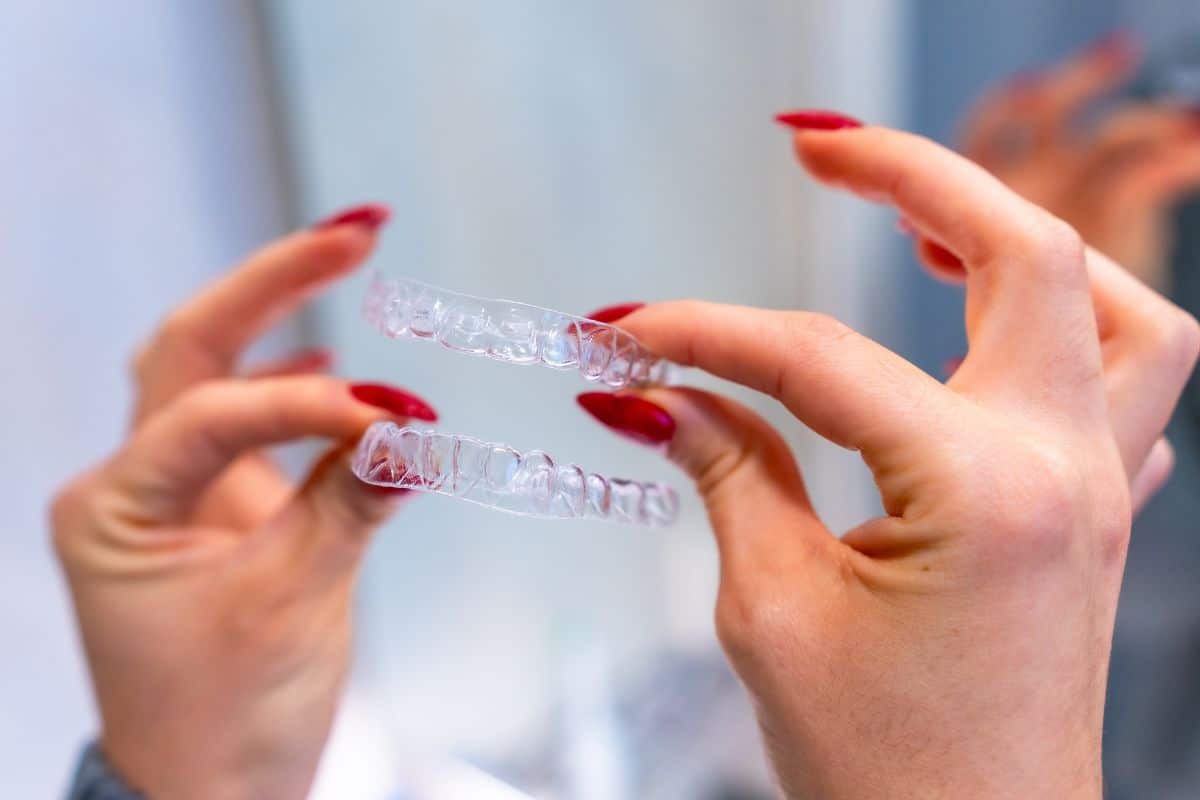
Starting Invisalign is exciting, but many patients wonder whether they will experience discomfort, speech changes, or other challenges during treatment. Common issues include temporary soreness, speech difficulties, aligners misfitting, staining, and inconsistent wearing habits. Fortunately, these issues are usually temporary and can be managed successfully with the right guidance and daily habits.
Understanding what is normal during treatment can reduce anxiety and help you stay committed to your smile goals. Most setbacks occur because patients are unfamiliar with the adjustment process rather than because something is wrong with the treatment itself.
At Dunn Orthodontics, patients receive personalized orthodontic care designed to keep treatment comfortable, efficient, and predictable. Drawing from years of orthodontic experience, Dr. Marc Dunn helps patients understand what to expect from clear aligners and how to avoid common mistakes that can delay results. If you are considering this teeth alignment treatment or have questions about your treatment journey, visit our office to schedule a consultation and receive personalized guidance for your smile.
Why Do Invisalign Problems Happen?
Most challenges occur because teeth are actively moving into new positions. Every aligner tray applies carefully controlled pressure, which creates the tooth movement necessary to improve alignment.
Many patients assume that any discomfort or change means something is wrong. In reality, minor adjustments are often signs that treatment is progressing as intended. Understanding these expected changes can help patients stay confident throughout the process.
Several factors can increase the chances of problems:
- Inconsistent aligner wear
- Poor oral hygiene
- Switching trays too early
- Skipping appointments
- Losing aligners
- Improper aligner cleaning
- Not following orthodontic instructions
The good news is that most of these issues can be prevented with proactive care and regular monitoring.
Problem #1: Mild Soreness After Changing Aligners
Is soreness normal with Aligners?
Yes. Mild pressure and tenderness are among the most common experiences during the treatment. This usually occurs when a new aligner begins guiding teeth toward their next position.
The sensation is often most noticeable during the first few days after switching trays. While discomfort varies from patient to patient, it generally decreases as teeth adapt to the new aligner.
Why do these Aligners cause soreness?
Each aligner is designed to move teeth incrementally. This movement places pressure on the ligaments and bone supporting the teeth, creating temporary sensitivity.
Many patients actually view this sensation as reassurance that the aligners are working.
How to manage discomfort
- Switch to new trays before bedtime
- Choose softer foods during the first couple of days
- Drink cold water throughout the day
- Wear aligners consistently
- Follow your orthodontist’s recommendations for discomfort management
Removing aligners repeatedly because of soreness often prolongs the adjustment period and may interfere with treatment progress.
Problem #2: Temporary Speech Changes
Can the Aligner affect the way you speak?
Yes. Some patients notice a slight lisp or difficulty pronouncing certain sounds during the first few days of treatment. This happens because the tongue needs time to adjust to the aligners.
Fortunately, speech changes are usually temporary.
Most patients adapt quickly and regain normal speech patterns after consistent aligner wear.
Why do speech changes occur
Clear aligners slightly alter the space inside the mouth. The tongue must learn how to move around the aligners while producing sounds.
Patients who frequently remove their aligners often experience a longer adjustment period because the mouth never fully adapts.
Tips to improve speech faster
- Read aloud daily
- Practice conversations while wearing aligners
- Repeat difficult words several times
- Keep aligners in place as instructed
- Remain patient during the adaptation phase
Many patients are surprised by how quickly speech improves once they wear aligners consistently.
Problem #3: Aligners Not Fitting Properly
What does it mean when Invisalign trays do not fit?
Aligners should fit snugly against the teeth. Small gaps between the aligners and teeth may indicate that the trays are not tracking properly.
Tracking refers to how accurately the teeth are following the planned movements programmed into the aligners.
For patients receiving invisalign treatment in Roseville, tracking issues are among the most common concerns during treatment. Most cases are linked to inconsistent wear rather than problems with the aligners themselves.
Common signs of tracking problems
- Gaps between aligners and teeth
- Aligners lifting near the back teeth
- Difficulty switching to the next tray
- Attachments not fitting correctly
- Trays are feeling unusually loose
How to improve aligner tracking
- Wear the aligners for the advised hours daily
- Use chewies if recommended
- Follow tray-change schedules carefully
- Attend all monitoring appointments
- Contact your orthodontist if problems persist
Patients should never attempt to skip trays in an effort to catch up. Doing so may create additional complications and delay treatment.
Problem #4 Staining and Bad Odors
Why do Invisalign aligners become stained?
Clear aligners are designed to be discreet, but they can lose their transparency when exposed to certain foods, beverages, and habits.
Many patients underestimate how easily staining can occur when aligners remain in place while drinking anything other than water.
Habits that contribute to staining
Drinking Coffee While Wearing Aligners
Coffee contains pigments that can discolor aligners and reduce their clarity. The heat may also affect aligner performance.
Drinking Sugary or Acidic Beverages
Sports drinks, soda, and energy drinks can become trapped between teeth and aligners. This creates an environment where plaque and bacteria can thrive.
Smoking or Vaping
Tobacco products frequently cause noticeable discoloration and may negatively affect oral health during treatment.
Poor Cleaning Habits
Failing to clean aligners daily allows bacteria, food particles, and odor-causing residue to accumulate.
How to keep aligners clean
- Brush your teeth before reinserting aligners
- Rinse aligners every time they are removed
- Clean trays daily using approved products
- Store aligners properly when not in use
- Drink only water while wearing aligners
Maintaining clean aligners helps protect both the appearance of the trays and the health of your teeth.
Problem #5: Difficulty Wearing Aligners Consistently
Why is compliance so important?
This treatment works only when aligners are worn consistently. Even the most advanced treatment plan cannot deliver predictable results if aligners are frequently removed.
For patients undergoing invisalign treatment in Roseville, maintaining consistent wear habits is one of the most important factors affecting treatment success.
Common reasons patients fall behind
- Busy schedules
- Social events
- School activities
- Work obligations
- Forgetting to reinsert aligners after meals
Practical ways to improve compliance
Build Aligners Into Your Daily Routine
Patients who always brush and immediately reinsert their aligners tend to remain on schedule more easily.
Use Technology for Accountability
Phone reminders and aligner tracking apps can help reinforce daily habits.
Prepare for Social Situations
Always carry an aligner case. This reduces the risk of losing aligners during meals, sporting events, or social gatherings.
Focus on the Long-Term Goal
Remembering the desired outcome often helps patients stay committed during challenging periods.
Consistent wear is one of the simplest ways to avoid treatment delays and achieve predictable results.
Which Invisalign Problems Are Normal and Which Require Immediate Attention?
What symptoms are usually normal?
Several experiences are expected during treatment and generally do not require emergency attention.
Normal symptoms include:
- Mild soreness
- Temporary speech changes
- Slight pressure when changing trays
- Increased saliva production
- Minor tooth sensitivity
These symptoms typically improve as patients adapt to treatment.
When should you contact your orthodontist?
Some situations require professional evaluation.
Contact your orthodontist if you experience:
- Cracked aligners
- Lost trays
- Severe pain
- Persistent tracking issues
- Loose attachments
- Significant bite changes
Prompt attention often prevents treatment interruptions and larger complications.
The Long-Term Benefits of Staying on Track
Successful treatment offers more than cosmetic improvements. Properly aligned teeth are often easier to clean and may support better long-term oral health.
Patients who follow their treatment plans often experience benefits such as:
- Improved smile aesthetics
- Better bite function
- Easier brushing and flossing
- Reduced plaque retention areas
- Increased confidence
The habits developed during treatment can continue benefiting oral health long after the final aligner is removed.
Stay Confident Throughout Your Invisalign Journey
Most problems are temporary and manageable when addressed early. Understanding what is normal, recognizing potential warning signs, and following professional guidance can help keep treatment moving smoothly and efficiently.
At Dunn Orthodontics, patients receive individualized orthodontic care focused on achieving healthy, lasting results. If you are considering clear aligners or have concerns about your current treatment, visit our dental office in Roseville and schedule a personalized evaluation. A comprehensive assessment can help determine the best path toward a healthier, more confident smile.
Frequently Asked Questions
Can Invisalign stop working during treatment?
Invisalign does not typically stop working. Most treatment delays occur because aligners are not worn consistently or appointments are missed. Following instructions helps maintain steady progress.
Why do my Invisalign trays suddenly feel loose?
Loose trays may indicate that teeth have completed the intended movement for that stage. However, persistent looseness should be evaluated to ensure proper tracking.
What happens if I forget to wear Invisalign for a day?
Missing a full day may slow treatment progress and affect aligner fit. Contact your orthodontic office if significant wear time has been missed.
Can Invisalign damage my teeth?
Invisalign is designed to move teeth safely when supervised by an orthodontist. Problems are more likely to occur when patients do not follow treatment instructions.
Why do my teeth feel slightly loose during treatment?
Tooth mobility can occur as teeth move into new positions. This is often temporary and usually improves as treatment progresses.
How can I tell if my aligners are tracking correctly?
Aligners should fit snugly against your teeth without noticeable gaps. Persistent spaces or poor fit should be evaluated professionally.
What should I do if an attachment falls off?
Contact your orthodontic office as soon as possible. Attachments play an important role in guiding certain tooth movements and may need replacement.
Recent Posts
June 1, 2026
Our Orthodontist Explains What Can Go Wrong With Invisalign and How to Stay on Track

May 27, 2026
Our Roseville Orthodontist’s Guide to Eating With New Braces
May 19, 2026
5 Common Invisalign Problems & How to Manage Them
May 13, 2026
Thinking About Invisalign? Here’s How the Process Works

May 8, 2026
Why Roseville Locals Are Turning To Orthodontics For Better Oral Health?
Categories
Invisalign (32)