
5 Common Invisalign Problems & How to Manage Them
May 19, 2026
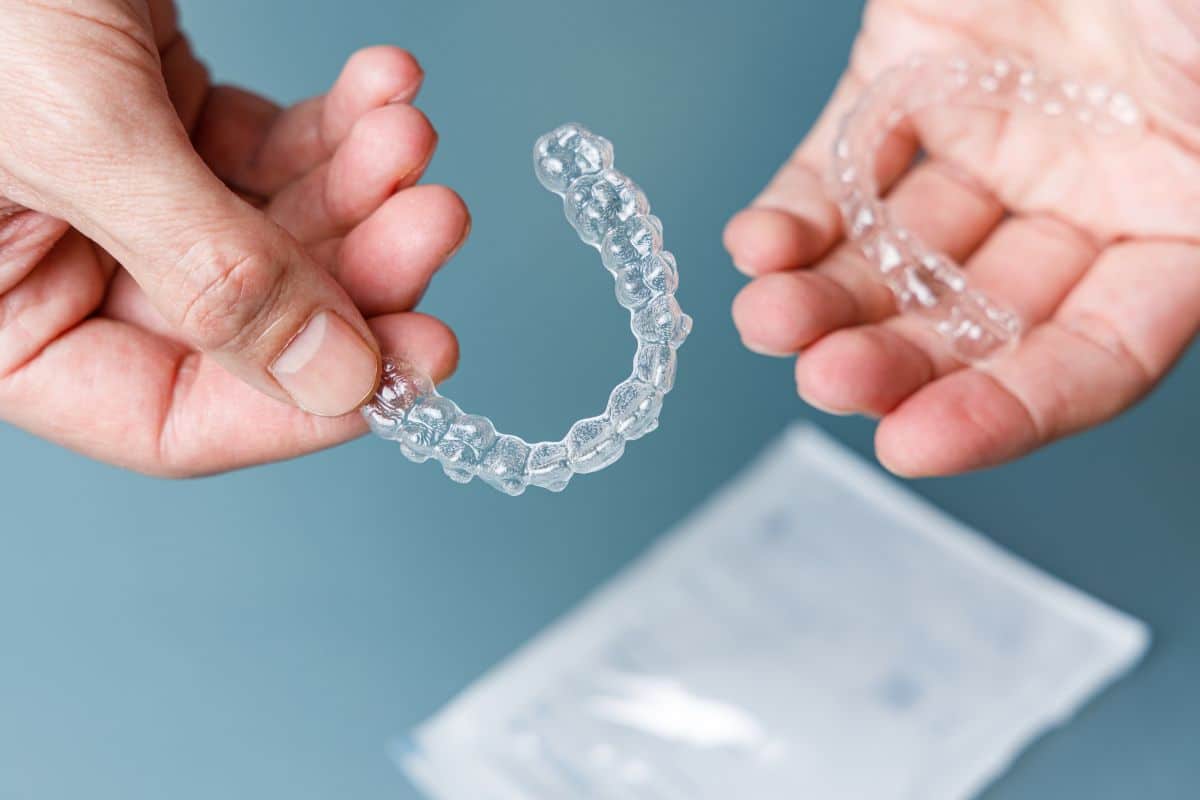
Many people in Roseville choose Invisalign to straighten their teeth while maintaining a more natural appearance during treatment. Clear aligners are removable, discreet, and designed to fit into busy daily routines. However, like any orthodontic treatment, Invisalign may come with temporary challenges that patients should understand before starting the process. Knowing how to manage common Invisalign problems can help improve comfort, support treatment progress, and protect oral health throughout the alignment journey.
Mild Discomfort When Switching Aligners
One of the most common concerns during Invisalign treatment is temporary soreness when changing to a new set of aligners. This happens because the trays apply gentle pressure to gradually move teeth into alignment.
Pressure Means Teeth Are Shifting
Mild discomfort is often a sign that the aligners are working properly. The sensation usually improves after a few days as the teeth adjust to the new trays.
Using cold water, eating softer foods, and changing aligners before bedtime may help reduce discomfort during the adjustment period.
Difficulty Speaking Clearly at First
Some patients notice a slight lisp or speech difference during the first days of wearing Invisalign aligners. Because the trays cover the teeth, the tongue may need time to adapt to speaking normally again.
Practice Helps Improve Speech
Reading aloud and speaking regularly while wearing aligners may help the mouth adjust more quickly. Most patients notice improvement after a short adjustment period.
Stained or Cloudy Aligners
Clear aligners may become discolored if patients drink coffee, tea, soda, or colored beverages while wearing them. Poor cleaning habits may also lead to cloudy trays and unpleasant odors.
Patients undergoing invisalign treatment in Roseville are often encouraged to remove aligners before eating or drinking anything other than water. Gently cleaning trays with lukewarm water and approved cleaning products may help maintain their appearance throughout treatment.
Proper Cleaning Supports Clearer Aligners
Avoiding hot water and harsh toothpaste may help protect the aligners from scratches or warping that affect clarity.
Losing or Damaging Aligners
Because Invisalign trays are removable, they can sometimes be misplaced, cracked, or accidentally thrown away during meals. Damaged aligners may not fit correctly and could interfere with tooth movement.
Safe Storage Reduces Accidental Loss
Keeping aligners inside their protective case whenever they are removed may help prevent damage or misplacement during daily activities.
Increased Risk of Cavities and Plaque Buildup
Food particles trapped between the teeth and aligners may increase plaque buildup if oral hygiene is neglected. Brushing and flossing become especially important during Invisalign treatment because aligners fit closely against the teeth.
Patients who visit our dental office in Roseville during orthodontic treatment are often reminded to brush after meals before placing their aligners back in their mouths. This habit may help reduce bacteria and support healthier gums throughout treatment.
Consistent Oral Care Protects Teeth
Maintaining healthy brushing and flossing routines can help prevent cavities, gum irritation, and bad breath while wearing aligners.
Follow Instructions for Smoother Treatment
Successful Invisalign treatment depends on consistency, proper aligner care, and regular dental visits. Although temporary issues such as soreness or speech changes may occur, many of these concerns improve with healthy habits and proper guidance.
If you are considering Invisalign or have questions about aligner care, our team is here to help. Contact us today to schedule an appointment and receive support for your smile journey.
FAQs
1. Is soreness normal during Invisalign treatment?
Yes, mild soreness may occur when switching to new aligners because teeth are adjusting to pressure.
2. Why do aligners sometimes cause a lisp?
The tongue may need time to adapt to speaking with aligners covering the teeth.
3. How can I prevent Invisalign trays from staining?
Removing aligners before drinking colored beverages and cleaning them regularly may help prevent discoloration.
4. What should I do if I lose an aligner?
Contact your dental provider for instructions on how to continue treatment safely.
5. Can Invisalign increase the risk of cavities?
Poor oral hygiene during treatment may allow plaque and bacteria to build up around the teeth.
6. How should Invisalign aligners be cleaned?
Aligners are commonly cleaned using lukewarm water and gentle cleaning products approved for clear trays.
7. How long should Invisalign aligners be worn each day?
Most patients are advised to wear aligners for about 20 to 22 hours daily for effective results.
Recent Posts
May 19, 2026
5 Common Invisalign Problems & How to Manage Them
May 13, 2026
Thinking About Invisalign? Here’s How the Process Works

May 8, 2026
Why Roseville Locals Are Turning To Orthodontics For Better Oral Health?
April 22, 2026
Can Invisalign Really Fix Crossbite- Here’s What Roseville Patients Should Know
April 15, 2026
How To Prepare For Your First Braces Appointment?
Categories
Invisalign (31)