
Why Roseville Locals Are Turning To Orthodontics For Better Oral Health?
May 8, 2026
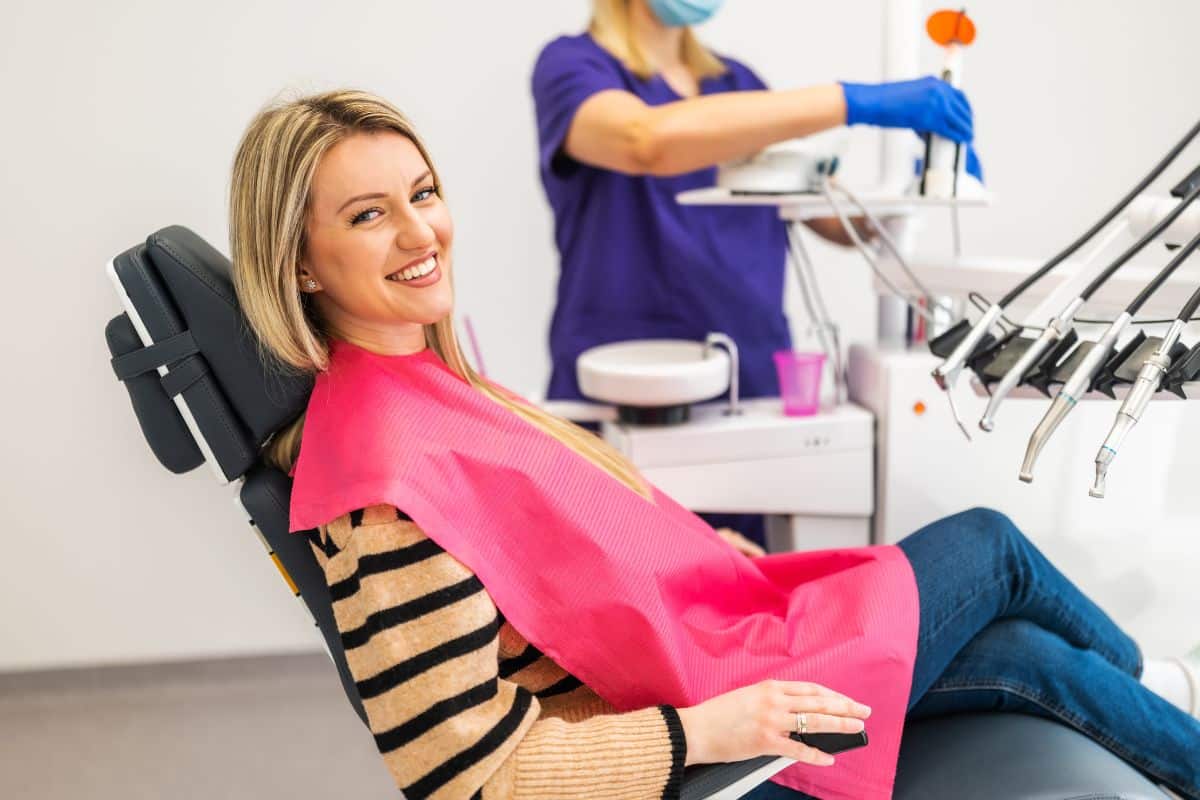
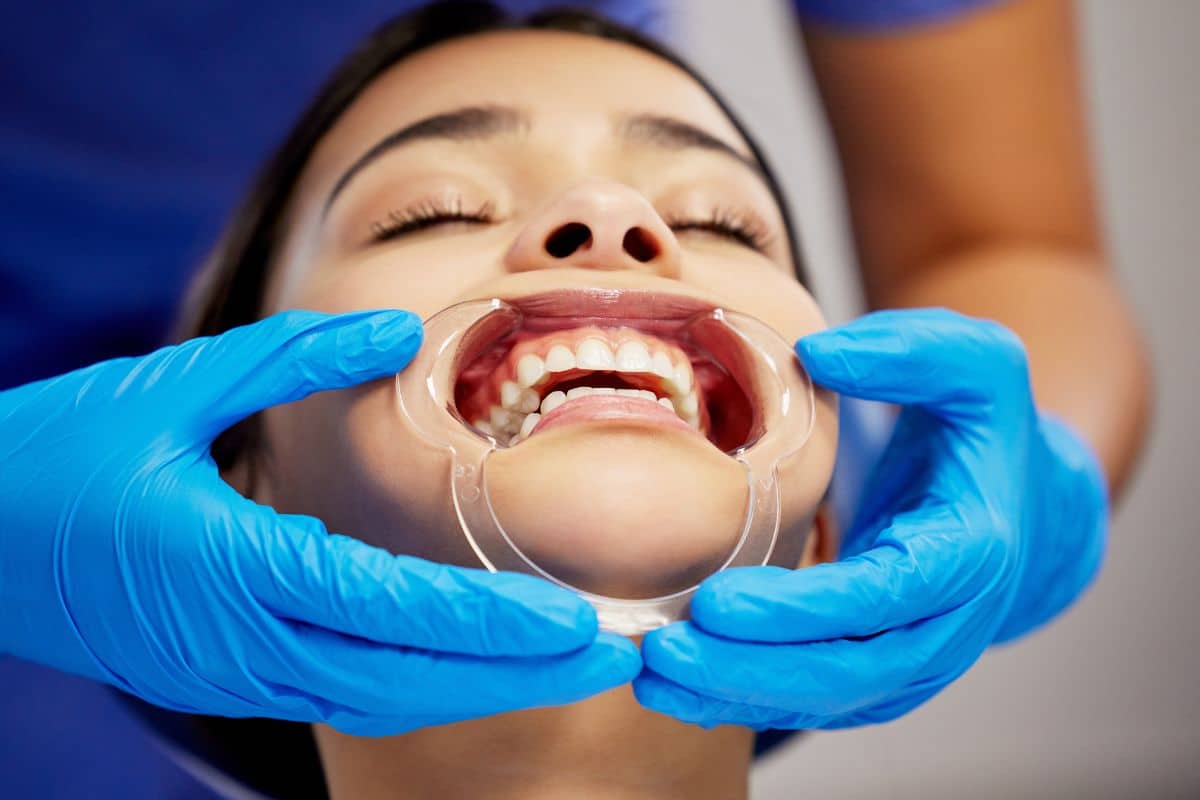
Most people think straight teeth are about appearances. A better smile for photos, more confidence in conversations, maybe a boost before a big life event. And while that is true, it is only a fraction of the full picture. What orthodontic treatment actually does for your health goes far deeper than aesthetics, and most people have no idea how misaligned teeth affect overall health. Misaligned teeth do not just look a certain way. They function a certain way, and that function affects how you chew to how well your gums hold up over a lifetime. If you have been on the fence about treatment, the reasons to move forward go well beyond the mirror.
Is A Crooked Smile Really Just A Cosmetic Problem?
This is the biggest misconception worth addressing right away. Crooked, crowded, or misaligned teeth create physical conditions inside your mouth that make every part of oral care harder.
When teeth overlap or sit too close together, your toothbrush cannot effectively reach every surface. Floss struggles to get between tight contact points. Plaque accumulates in areas that are nearly impossible to clean with standard tools. Over time, that buildup leads to cavities and gum disease in spots that feel completely out of reach.
Beyond cleaning, misalignment also creates uneven bite pressure. Certain teeth absorb more force than they can handle. This leads to accelerated wear, increased sensitivity, and in some cases, microfractures in enamel. These do not show up until they become serious problems. They are only recognized after a detailed evaluation by an orthodontist in Roseville. The diagnosis often shows that underlying alignment issues are the root cause of your long-standing discomfort.
What Is Your Bite Doing To Your Body?
This is where the conversation shifts in a direction most people do not expect. Your bite is not just a dental detail. It is a biomechanical system, and when that system is out of balance, the effects travel.
A misaligned bite forces your jaw muscles to constantly compensate. They work harder than they should on every single chew, every clench, every moment your teeth come together. Over months and years, that low-grade muscular overwork accumulates into something much harder to ignore:
- Occasional jaw tightness becomes chronic, persistent tension.
- That tension radiates into your neck, your temples, and your daily comfort.
- Persistent headaches develop that most people never connect to their bite.
- In more advanced cases, temporomandibular joint dysfunction (TMJ) sets in, affecting jaw movement and function. These are often overlooked as early signs of bite problems in adults rather than as isolated discomfort.
For families in Roseville, juggling long work hours, outdoor activities, and busy family schedules can lead to ongoing discomfort. It’s important to remember that this discomfort has a reason and that there are ways to address it effectively.
How Does Misalignment Affect Digestion And Nutrition?
Chewing is the first step of digestion, and when it is inefficient, the entire digestive process is affected. When teeth do not align properly, then:
- Food is not broken down evenly before swallowing.
- Larger particles reach the stomach, increasing digestive strain.
- Nutrient absorption becomes less efficient over time.
Patients often do not connect digestive discomfort with dental alignment. However, proper chewing allows the body to process food more effectively, supporting overall health beyond the mouth.
Why Do Your Gums Care So Much About Alignment?
Periodontal disease remains the leading cause of tooth loss in adults, yet its connection to tooth straightening is often overlooked. The way your teeth are positioned directly influences how your gums attach, protect, and respond over time. This is exactly how straight teeth improve gum health at a structural level over time, not just at the surface. Here is why:
When teeth are crowded or misaligned:
- Gum tissue cannot wrap evenly around each tooth the way it is designed to.
- Irregular contact points create pockets where bacteria settle and multiply undisturbed.
- Those pockets deepen over time, inflammation sets in, and gingivitis progresses into periodontal disease.
- The bone supporting your teeth begins to be affected, and at that stage, reversal becomes far more difficult.
When teeth are properly aligned:
- Gum tissue sits evenly with no irregular gaps or pressure points.
- Bacterial hiding spots that resist cleaning are eliminated.
- Your daily brushing and flossing routine becomes genuinely effective rather than partially effective.
- Professional cleanings reach every surface, making each visit far more thorough.
Teeth straightening is not a cosmetic gift to your gum tissue. It is a structural requirement for keeping it healthy in the long term.
How Today’s Orthodontic Solutions Fit Modern Lifestyles?
The outdated image of orthodontic treatment, bulky brackets, constant discomfort, and strict limitations, no longer reflects today’s reality. Modern teeth straightening procedures fit into real life, not disrupt it.
Today’s options include both advanced braces and clear aligners, each built for comfort, efficiency, and flexibility. Braces are now smaller and smoother, allowing precise results with less irritation. Aligners offer a removable, low-profile option that blends into daily routines. Many patients compare the benefits of clear aligners vs. traditional braces before choosing what fits their lifestyle.
Daily habits stay mostly unchanged. Aligners can be removed for meals and cleaning, while improved brace designs make oral care easier than before. Digital treatment planning has also streamlined the process, offering more accuracy and often shorter timelines.
Comfort and discretion are now standard across both options. For busy Roseville families and working professionals, orthodontic care has become a practical step toward better long-term oral health without putting life on hold.
What Happens If Alignment Problems Are Left Untreated?
What happens when misalignments are ignored is not immediate, which is exactly why they are so often overlooked.
The damage builds quietly. Teeth continue to shift, pressure points intensify, and areas that are difficult to clean become long-term bacterial strongholds. What once felt like a minor cosmetic concern is beginning to affect how your teeth function every day. Enamel wears down in ways that cannot be reversed, gums become vulnerable, and minor imbalances in your bite start affecting comfort, chewing, and overall stability. By the time symptoms become noticeable, the problem is no longer simple. It has already progressed to the point that it requires more time and an intervention by an orthodontist in Roseville.
A Healthier Smile Starts With One Smart Decision
Misalignment does not stay static. Teeth shift. Bite patterns worsen. Gum tissue that has been under stress for years becomes harder to restore. Enamel wear that accumulates over time cannot be reversed. Every year of delay narrows the range of simple, efficient solutions available to you.
The patients who get the best outcomes are those who act before the compounding effects set in. That is not a scare tactic. That is just how biology works. And thus, we invite you to visit our dental office in Roseville for a thorough evaluation with no pressure and no assumptions. Our team will give you an honest, complete picture of where your tooth alignment is and the best solutions. The right information at the right time makes all the difference. Come in and get it.
Do not wait for discomfort to force a decision. Schedule your consultation today at Dunn Orthodontics to move forward with clarity, confidence, and a plan designed around your long-term oral health.
Frequently Asked Questions (FAQs)
1. How does teeth alignment impact overall dental health?
Proper teeth alignment reduces plaque retention and allows for more effective cleaning. This lowers the risk of cavities and gum inflammation, which are commonly linked to crowded or uneven teeth.
2. Can correcting bite issues prevent long-term dental damage?
Balanced bite forces reduce excessive pressure on specific teeth and joints. This helps prevent enamel wear, fractures, and jaw strain that develop gradually when bite patterns remain uncorrected.
3. Is there a functional benefit beyond improving appearance?
Bite correction improves chewing efficiency and speech clarity while supporting better oral hygiene. These functional benefits often reduce the likelihood of complex oral problems over time.
4. At what stage should alignment concerns be evaluated?
Early evaluation allows detection of developing issues before they worsen. While treatment varies by individual, assessment during growth stages can help guide proper development and prevent complications.
5. Can adults still benefit from alignment correction?
Tooth movement remains possible at any age with proper planning. Adult treatment can improve function, reduce wear, and support long-term stability even when concerns have existed for years.
Recent Posts
May 13, 2026
Thinking About Invisalign? Here’s How the Process Works
May 8, 2026
Why Roseville Locals Are Turning To Orthodontics For Better Oral Health?
April 22, 2026
Can Invisalign Really Fix Crossbite- Here’s What Roseville Patients Should Know
April 15, 2026
How To Prepare For Your First Braces Appointment?
April 9, 2026
How Orthodontic Treatment Changes with Age: What Roseville Patients Need to Know
Categories
Orthodontics (44)