
How Orthodontic Treatment Changes with Age: What Roseville Patients Need to Know
April 9, 2026
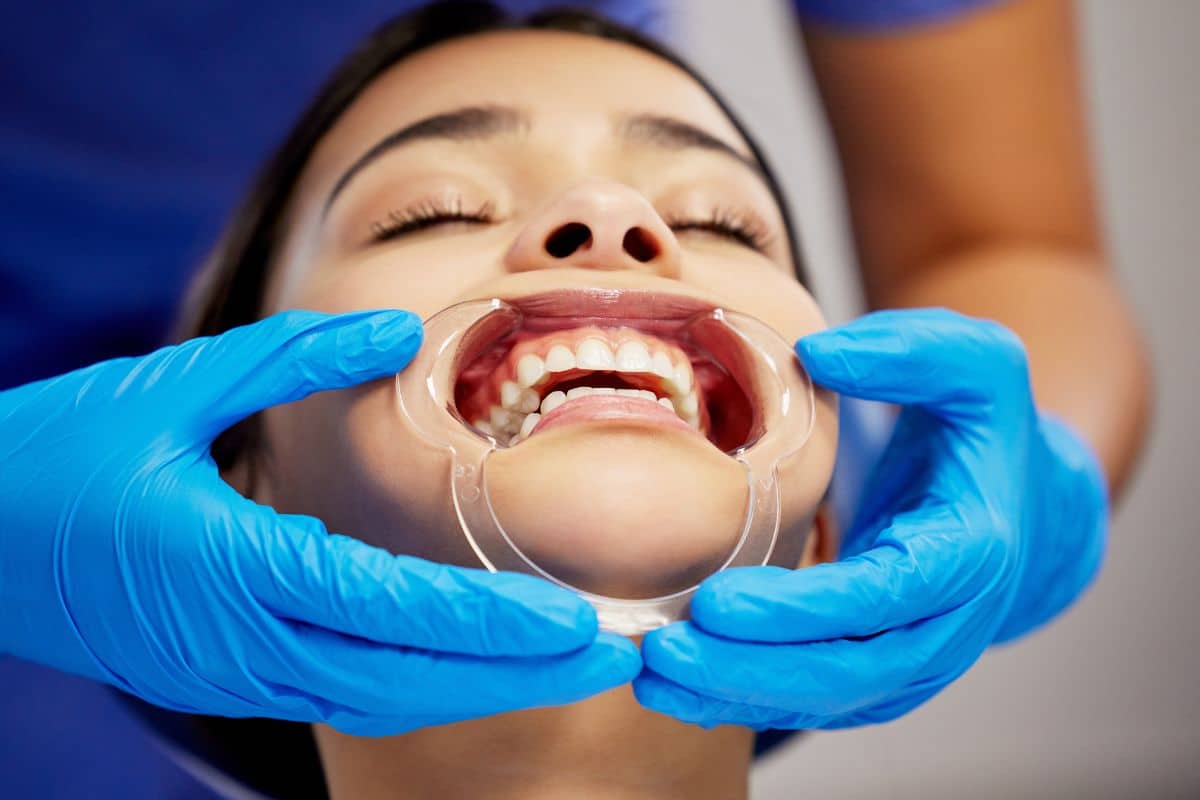
In Roseville, many families and individuals are exploring orthodontic care at different stages of life. Whether it’s a child getting their first evaluation or an adult seeking alignment later in life, treatment approaches vary by age. Understanding how orthodontic care evolves over time can help patients make informed decisions and feel more confident about starting their journey.
Orthodontic Treatment in Childhood
Early orthodontic care often begins between ages 7 and 10, when a mix of baby and permanent teeth is present. At this stage, orthodontists focus on guiding jaw growth and ensuring there is enough space for incoming teeth.
Why Early Evaluation Matters
Interceptive treatment can address issues like crowding, crossbites, and protruding teeth before they become more complex. Appliances used during this stage are often designed to influence bone development, which is more adaptable in younger patients. This can reduce the need for more extensive treatment later in life.
Orthodontics for Teenagers
The teenage years are the most common time for orthodontic treatment. By this age, most permanent teeth have erupted, making it easier to correct alignment and bite concerns.
Treatment Options for Teens
Braces remain a popular option, but modern advancements also include clear aligners and less noticeable brackets. Teenagers often experience faster tooth movement than adults because their bones are still developing. Compliance with wearing appliances or aligners plays a major role in achieving desired results during this stage.
Adult Orthodontic Treatment
Orthodontic care is no longer limited to children and teens. Many adults in Roseville are now seeking treatment to improve both function and appearance.
Midway through treatment planning, consulting an orthodontist in Roseville can help determine the most suitable approach based on individual dental history and goals. Adults may require a slightly different strategy since jaw growth has already stopped, but effective solutions are still widely available.
What Makes Adult Treatment Unique
Adult orthodontics often focuses on correcting long-standing issues such as misalignment, spacing, or bite irregularities. Because bone density is higher in adults, tooth movement may take longer than in younger patients. Additionally, adults may have existing dental work, such as crowns or bridges, which requires careful planning during treatment.
Clear aligners are a popular choice among adults because they are discreet and removable, making them easier to incorporate into daily routines. However, traditional braces remain an option, depending on the complexity of the case.
Key Differences Across Age Groups
Orthodontic treatment changes with age primarily due to differences in bone growth, dental development, and lifestyle factors. Younger patients benefit from growth modification, while teens experience efficient tooth movement. Adults, on the other hand, often require more precise adjustments and longer timelines.
Regardless of age, maintaining oral hygiene and attending regular check-ups are essential for successful outcomes. Each stage of life offers unique advantages, and modern orthodontics provides flexible solutions for all age groups.
Take the First Step Toward a Healthier Smile
If you or a family member is considering orthodontic care, now is a great time to visit our dental office in Roseville and explore your options. A personalized consultation can help you understand what approach fits your needs and lifestyle.
Ready to Begin?
Your journey to improved dental alignment starts with a simple step. Contact us today to schedule an appointment and learn how orthodontic care can make a difference at any age.
FAQs
1. What is the ideal age to start orthodontic treatment?
Most children should have an evaluation by age 7, but treatment timing depends on individual needs.
2. Can adults still get braces or aligners?
Yes, adults can successfully undergo orthodontic treatment with various options available.
3. Does orthodontic treatment take longer for adults?
In many cases, treatment may take slightly longer due to denser bone structure.
4. Are clear aligners effective for all age groups?
Clear aligners can be effective for teens and adults, depending on the complexity of the case.
5. Is early treatment always necessary for children?
Not always. Some children may only need monitoring until the right time for treatment.
6. How often are orthodontic visits required?
Appointments are typically scheduled every 4 to 8 weeks, depending on the treatment plan.
7. Will orthodontic treatment affect daily life?
There may be minor adjustments initially, but most patients quickly adapt to their appliances.
Recent Posts
June 1, 2026
Our Orthodontist Explains What Can Go Wrong With Invisalign and How to Stay on Track

May 27, 2026
Our Roseville Orthodontist’s Guide to Eating With New Braces
May 19, 2026
5 Common Invisalign Problems & How to Manage Them
May 13, 2026
Thinking About Invisalign? Here’s How the Process Works
May 8, 2026
Why Roseville Locals Are Turning To Orthodontics For Better Oral Health?
Categories
Orthodontics (44)