
Braces Vs. Clear Aligners- Which Orthodontic Treatment is Right For You
March 19, 2026
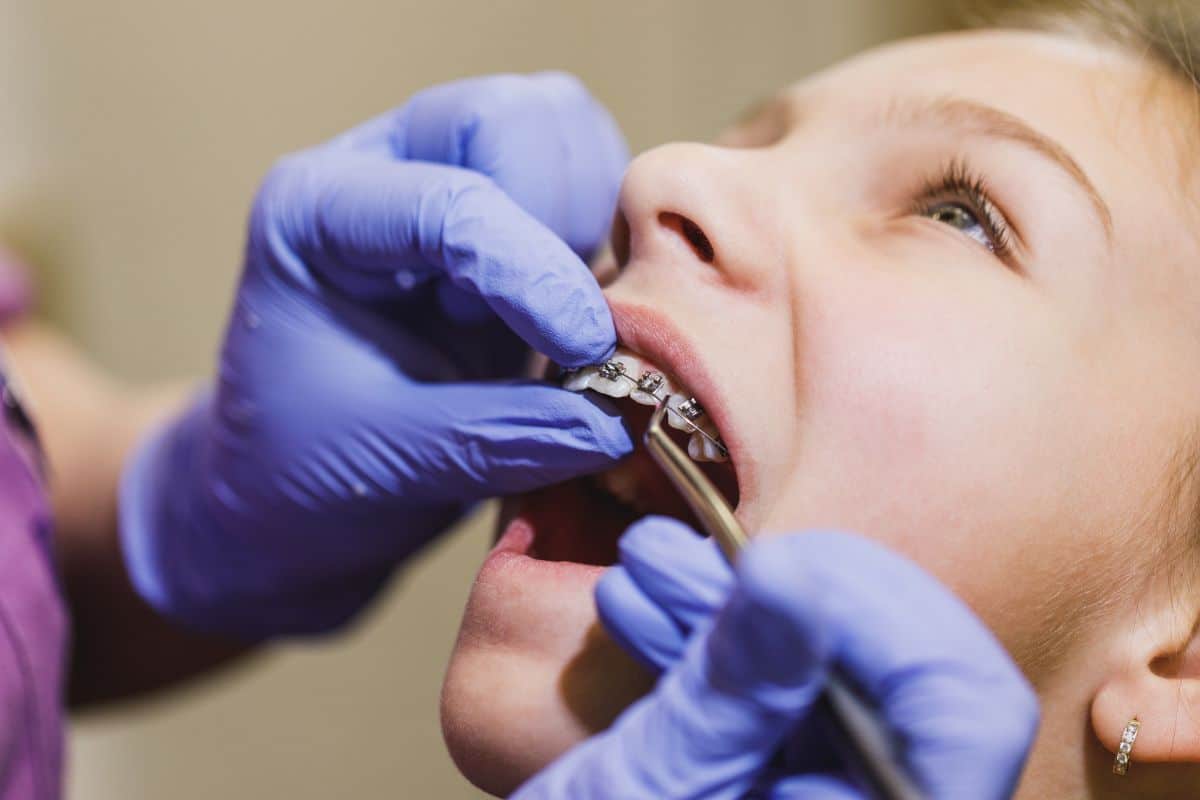
Are you considering orthodontic treatment but torn between traditional braces and clear aligners? You’re not alone. Many people in Roseville and surrounding areas, such as Rocklin, Granite Bay, and Citrus Heights, face the same dilemma when choosing the best option for their smile. Though both options can lead to a beautiful, straight smile, each comes with unique benefits suited to different needs.
If you’re unsure which treatment will work best for you, Dunn Orthodontics is here to guide you every step of the way. Our patients from Roseville, Granite Bay, and even Sacramento trust Dr. Marc Dunn for personalized, professional advice.
Meet Dr. Marc Dunn
Dr. Marc Dunn, the lead orthodontist at Dunn Orthodontics, is passionate about helping patients achieve their best smiles. He believes in delivering quality care with a personalised touch, ensuring that each patient receives a treatment plan that fits their lifestyle and dental goals. With years of experience, Dr. Dunn understands that every patient is different and works closely with them to make the treatment process as smooth and effective as possible.
Braces vs. Clear Aligners: An Overview
Choosing between traditional braces and clear aligners can be challenging, but understanding the pros and cons of each option can help you make an informed decision.
Traditional Braces: Classic and Effective
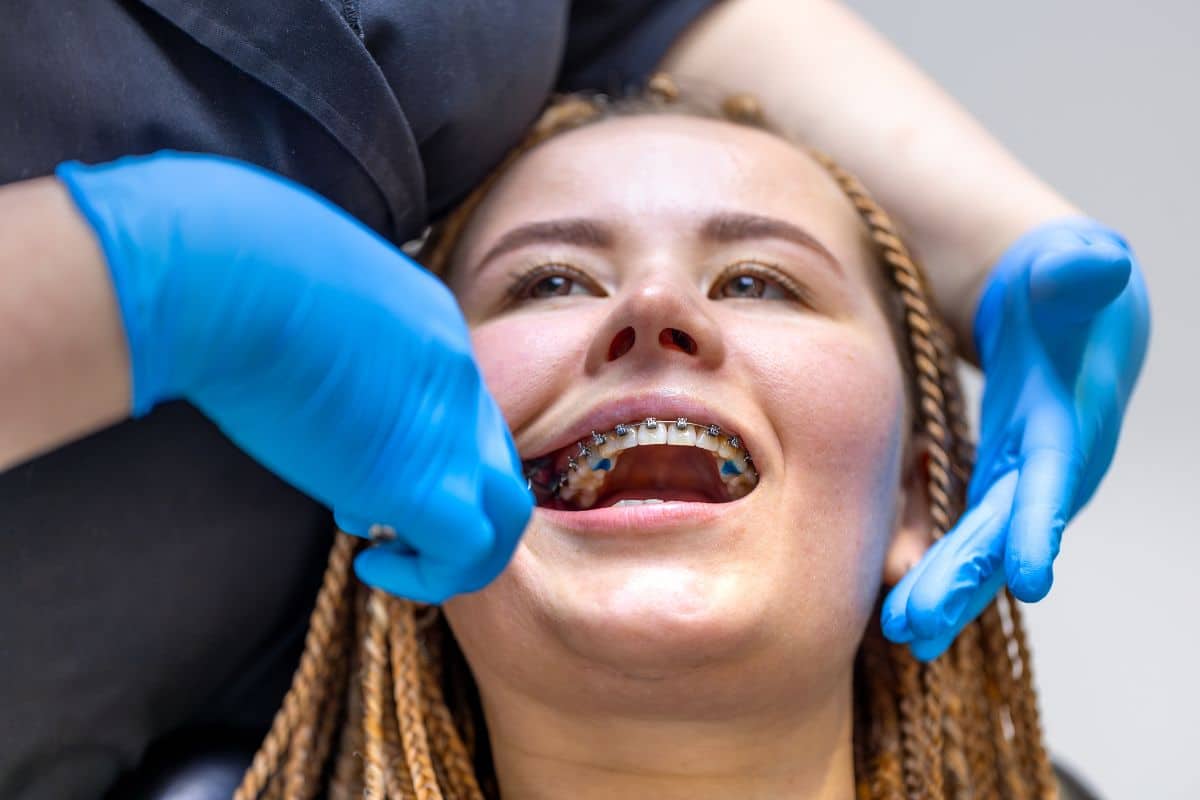
Traditional brackets are the most well-known orthodontic option and have been around for decades. They consist of metal brackets and wires attached to your teeth, which your orthodontist adjusts regularly. While they are very effective at treating a wide range of dental issues, from misaligned teeth to bite problems, there are a few considerations to keep in mind. For those seeking comprehensive orthodontic care, braces in Roseville offer a trusted, time-tested solution for achieving a straighter, healthier smile.
Advantages of Braces:
- Ideal for complex cases: Brackets can treat more severe misalignments and bite issues that clear aligners may not address.
- Constant pressure for better results: Since the metal brackets are attached to your teeth, they provide constant pressure that gradually moves your teeth into the desired position.
- No need for discipline: Unlike discreet orthodontics, braces are always in place, so you don’t need to worry about remembering to wear them.
Disadvantages of Braces:
- Noticeable appearance: Traditional metal brackets are more visible, which may be a concern for some patients, especially adults.
- Food restrictions: With braces, you’ll need to avoid sticky or hard foods that can damage the brackets or wires.
- Discomfort: The metal components can cause some discomfort, especially after adjustments.
Clear Aligners: Discreet and Comfortable
Clear aligners, like Invisalign, are a more recent option that offers a discreet way to straighten your teeth. These discreet orthodontics are made of clear plastic and are custom-designed to fit your teeth. They gradually shift your teeth into alignment over time, just like traditional brackets, but without the metal.
Advantages of Clear Aligners:
- Discreet appearance: The clear plastic aligners are nearly invisible, making them a popular choice for adults and teens who want to straighten their teeth without the noticeable look of metal brackets.
- Removable: Clear orthodontics are removable, allowing you to eat, drink, and brush your teeth without any restrictions. This can make oral hygiene much easier compared to traditional braces.
- Comfortable: Clear orthodontic appliances are made from smooth plastic, so there are no metal wires or brackets that can cause irritation inside your mouth.
Disadvantages of Clear Aligners:
- Discipline required: Since orthodontic appliances are removable, you must be disciplined about wearing them for the recommended 20-22 hours per day to ensure effective treatment.
- Not suitable for all cases: Clear orthodontic appliances may not be suitable for complex dental issues that require more forceful adjustments. For severe misalignments or bite issues, traditional brackets may be a better option.
- Frequent aligner changes: You’ll need to change your aligners every couple of weeks, which requires regular follow-ups with your orthodontist to ensure everything is progressing as planned.
Which Treatment is Right for You?
The choice between braces and clear orthodontic appliances ultimately depends on several factors, including the severity of your dental concerns, your lifestyle preferences, and how visible you want your orthodontic treatment to be.
- For mild to moderate misalignments: Clear aligners are a great option for people who have relatively mild to moderate misalignments or crooked teeth. They are ideal for adults and teens who want a more discreet treatment option.
- For complex dental issues: If you have severe bite problems or misaligned teeth that require extensive shifting, traditional brackets may be the better option.
- Lifestyle considerations: If you want the freedom to remove your orthodontic appliance when eating or brushing your teeth, clear aligners offer that flexibility. However, if you prefer a treatment that doesn’t require you to remember to wear your aligners, metal wires are a set-it-and-forget-it solution.
Ready to Choose? Visit Our Dental Office Today!
Deciding between braces and clear aligners is a personal choice that should be made with the guidance of an orthodontic professional. At Dunn Orthodontics, we understand that every smile is unique, and we are here to help you choose the treatment that best suits your needs and lifestyle. If you’re in Roseville or the surrounding areas of Rocklin, Granite Bay, or Citrus Heights, we invite you to visit our dental office in Roseville to discuss your options and start your journey toward a healthier, more beautiful smile.
Schedule your consultation with us today!
FAQs
- Which is better, braces or clear aligners?
It depends on your dental needs. Braces are ideal for complex cases, while clear aligners are great for mild-to-moderate issues and offer a discreet option. - How long will I need to wear braces or clear aligners?
Treatment time varies, but most patients wear braces for 18-24 months, while clear aligners typically take 12-18 months. - Can clear aligners fix a severe bite issue?
Clear aligners may not be effective for severe bite issues, and braces may be recommended for more complex cases. - Do clear aligners hurt more than braces?
Clear aligners are generally more comfortable as they don’t have metal components. However, both treatments may cause some discomfort during adjustments. - Are there food restrictions with clear aligners?
No, clear aligners are removable, so you can eat whatever you like, but you must wear them for 20-22 hours per day to ensure effective treatment. - Will my treatment be faster with clear aligners?
Treatment time can be shorter with clear aligners, but this depends on the complexity of your case. Your orthodontist can provide a more accurate estimate. - How often will I need to visit the orthodontist?
With braces, you’ll typically need to visit every 4-6 weeks for adjustments. With clear aligners, visits may be less frequent, but it will depend on your progress.
Recent Posts
May 13, 2026
Thinking About Invisalign? Here’s How the Process Works
May 8, 2026
Why Roseville Locals Are Turning To Orthodontics For Better Oral Health?
April 22, 2026
Can Invisalign Really Fix Crossbite- Here’s What Roseville Patients Should Know
April 15, 2026
How To Prepare For Your First Braces Appointment?
April 9, 2026
How Orthodontic Treatment Changes with Age: What Roseville Patients Need to Know
Categories
Braces (24)