
Fixing Anterior Crossbite: A Guide for Roseville Patients
January 30, 2026
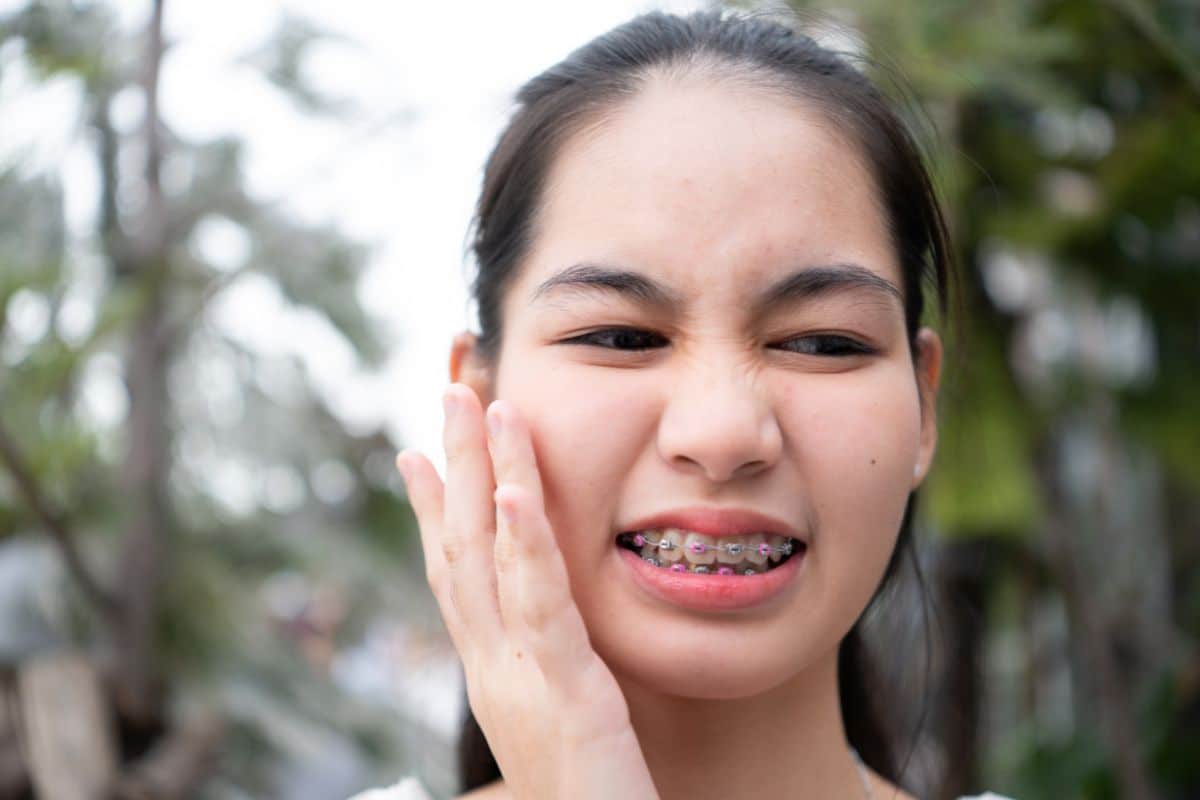
A common orthodontic concern among patients is an anterior crossbite. This dental misalignment happens when the upper front teeth bite behind the lower ones, causing complications. Anterior crossbite may not seem like a serious concern at first. However, if left untreated, it can lead to wear on your teeth, gum problems, and jaw discomfort. Whether you’re enjoying the local festivals or dining at Sienna Restaurant, having a healthy and well-aligned smile will make a world of difference.
Living here means enjoying a vibrant community, from hiking in the nearby Sierra foothills to visiting local cafes. A healthy, confident smile plays an essential role in an active lifestyle here, whether you’re catching up with friends or attending one of the many outdoor events. In this blog, we’ll explore what causes this crossbite, its symptoms, and the available treatment options. We’ll also highlight how local residents can benefit from the latest solutions. If you’re dealing with any bite issues, learning more about this type of bite problem is helpful. Learn how it can be treated is a great first step toward achieving a healthier smile.
What Causes Anterior Crossbite?
Anterior crossbite can develop due to a number of reasons, many of which can be traced back to genetics. However, other factors can play a role, including childhood habits, injuries, or developmental issues. Below are the most common causes:
- Genetics: If your family members have had similar orthodontic issues, there’s a higher chance you might experience this type of bite issue as well.
- Thumb-sucking or Pacifier Use: These childhood habits can shift your teeth and jaw alignment over time, increasing the risk of developing a crossbite.
- Jaw or Teeth Injuries: Accidents that impact the jaw or teeth, such as falling or a sports injury, can lead to an imbalanced bite.
- Tooth Development Issues: When teeth don’t develop properly or are missing, it can cause misalignment and affect the way your teeth come together.
When dining at Roseville’s popular restaurants like those on Douglas Boulevard, enjoy your food without worrying about misaligned teeth. People who have experienced these issues should visit our dental office for effective treatment options and professional guidance.
Symptoms of Anterior Crossbite
The symptoms of this type of bite issue vary depending on its severity. Some common symptoms to look out for include:
- Teeth Wear: If your teeth are grinding together incorrectly, you might notice unusual wear on your teeth.
- Gum Recession: This bite problem can put additional pressure on your gums, potentially causing them to recede over time.
- Jaw Pain: Misaligned teeth can lead to strain on your jaw muscles, resulting in pain or discomfort.
- Speech or Eating Difficulty: You might notice that speaking or eating becomes more difficult due to the misalignment of your teeth.
Treatment Options for Anterior Crossbite
If you are dealing with an anterior crossbite in Roseville, there are effective treatments available. Many dental offices offer both braces and Invisalign to help correct your bite and realign your teeth. Below, we discuss both options:
Braces for Anterior Crossbite
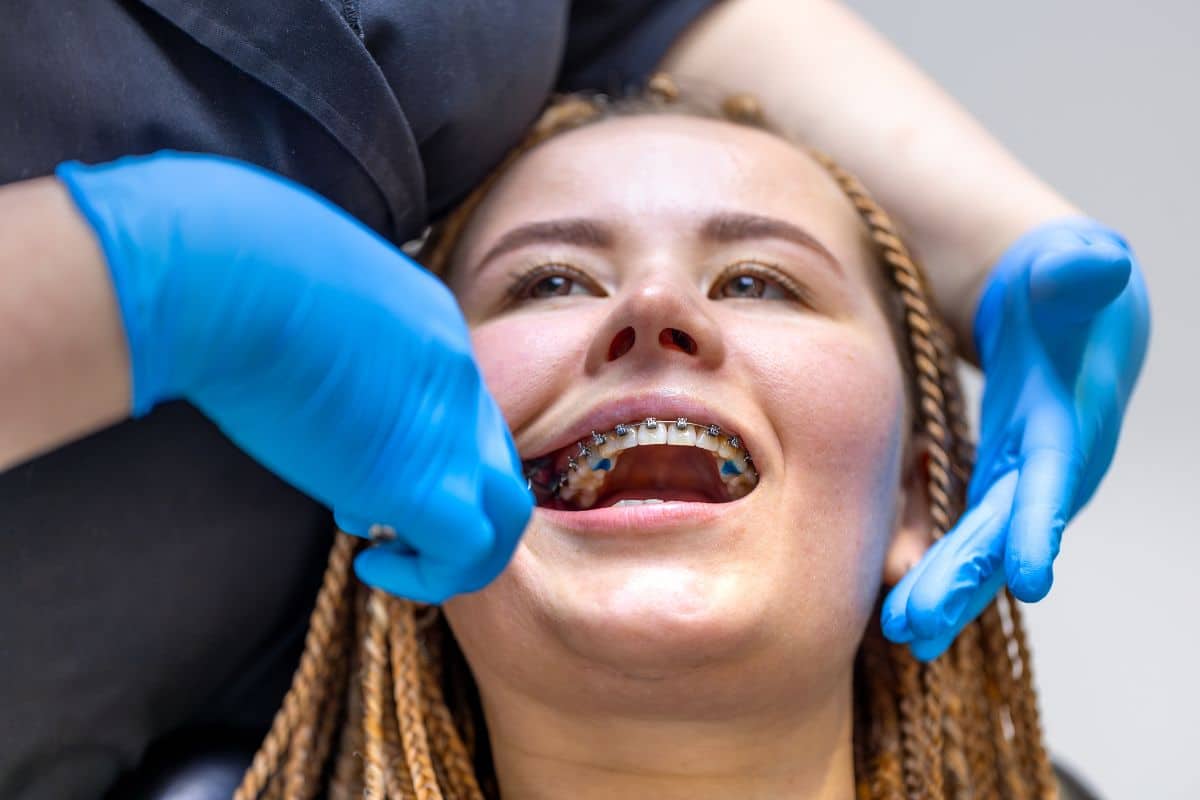
Braces have long been the go-to solution for correcting bite issues. Using brackets and wires, braces gently guide your teeth into the proper position over time. This treatment typically takes several months to a few years, depending on the severity of the issue. The key advantage of braces is their ability to address more complex bite problems, including misalignment caused by the jaw’s growth.
Invisalign for Anterior Crossbite
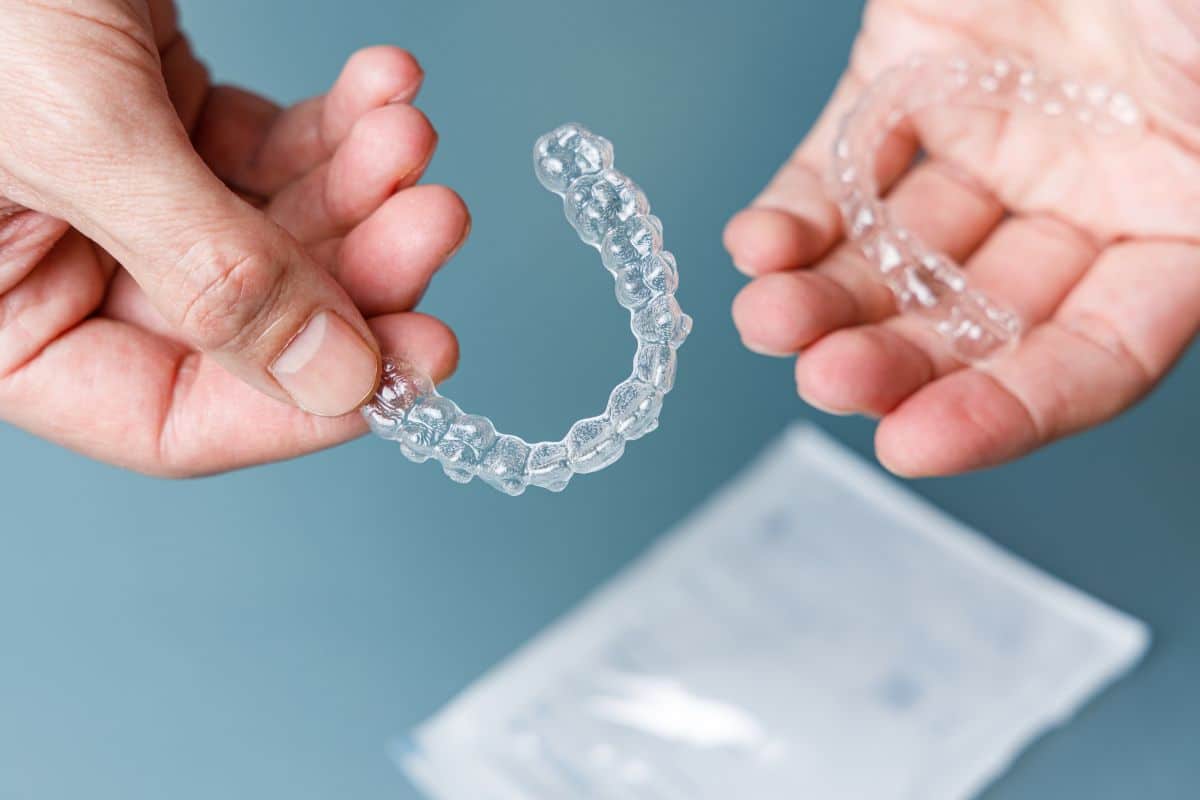
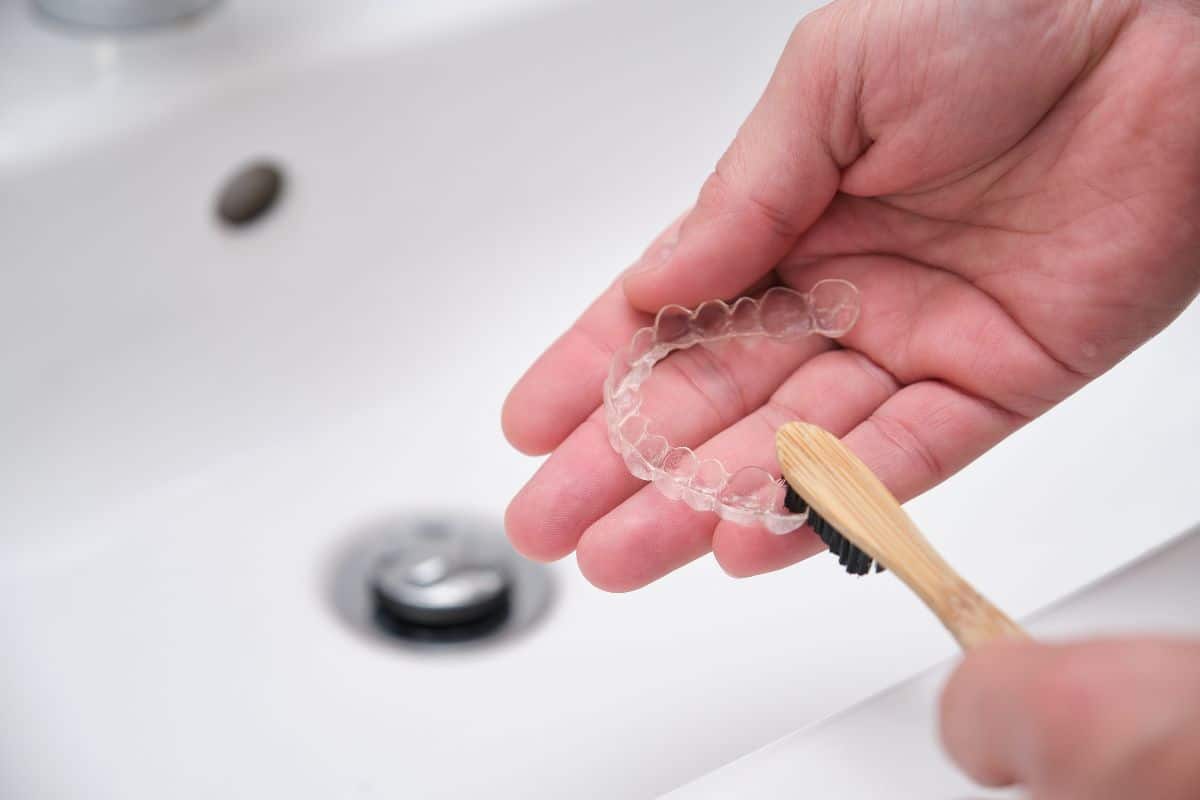
If you’re looking for a more discreet option, Invisalign might be the right choice for you. These clear aligners are customized to fit your teeth and gradually shift them into their correct positions. Invisalign is often preferred by adults or teens who want to straighten their teeth without the visible appearance of traditional braces. It’s also a comfortable, removable option that makes eating and maintaining oral hygiene easier.
Fix Your Misalignment and Bite Issue with Us
If you live in Roseville and are struggling with an anterior crossbite, don’t wait to seek treatment. Early intervention can prevent long-term issues and help you achieve a healthier, more confident smile. At Dunn Orthodontics, we offer both braces and Invisalign to correct this common issue and restore your oral health. Contact us today to schedule your consultation and learn how we can help you with your orthodontic needs!
FAQs
1. What happens if an anterior crossbite is left untreated?
If left untreated, this type of bite problem can lead to uneven tooth wear, gum problems, and jaw pain. Over time, these issues can cause more severe oral health complications, making treatment more urgent.
2. How long does it take to correct an anterior crossbite with braces?
The treatment duration for braces varies, but generally takes anywhere from 12 to 24 months. This depends on the severity of your bite issue and the overall alignment of your teeth.
3. Can Invisalign fix an anterior crossbite?
Yes, Invisalign can effectively treat mild to moderate cases of this type of bite issue. However, for more complex cases, traditional braces may be necessary to achieve the best results.
4. Will I need to wear retainers after treatment for an anterior crossbite?
Yes, retainers are generally required after treatment to ensure that your teeth stay in their new positions. This is especially important following treatment for this kind of bite problem.
5. How can I tell if I have an anterior crossbite?
Common signs of this type of bite problem include misaligned teeth, pain or discomfort in your jaw, and difficulty with speech or eating. A dental professional can provide a proper diagnosis.
6. How do braces work to fix an anterior crossbite?
Braces work by applying gentle pressure on the teeth, gradually shifting them into the correct position. Over time, this realigns the teeth and corrects bite issues like a bite issue.
Recent Posts
April 22, 2026
Can Invisalign Really Fix Crossbite- Here’s What Roseville Patients Should Know
April 15, 2026
How To Prepare For Your First Braces Appointment?
April 9, 2026
How Orthodontic Treatment Changes with Age: What Roseville Patients Need to Know
April 6, 2026
Dealing With Invisalign Discomfort: A Guide For Roseville Patients

March 24, 2026
What Smile Issues Can Invisalign Correct? A Roseville Dentist’s Guide
Categories
Braces (24)