
How Orthodontic Treatment Improves Long-Term Dental Health
December 10, 2025
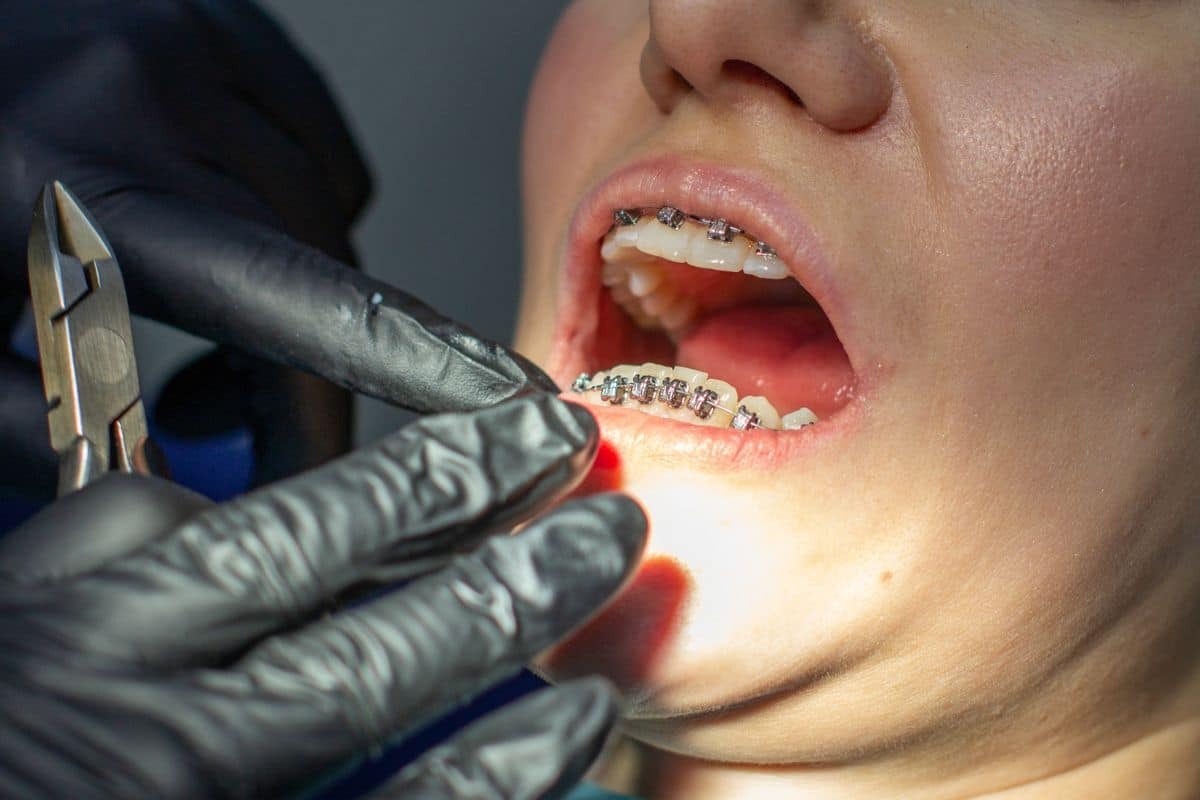
Orthodontic treatment does far more than create a pleasing smile. It plays a significant role in shaping long-term dental wellness by improving alignment, enhancing function, and reducing preventable oral health issues. When teeth and jaws work in harmony, the entire mouth becomes healthier and easier to maintain.
How Alignment Impacts Overall Oral Health
Better Access for Daily Cleaning
Crooked or crowded teeth make brushing and flossing challenging. When plaque collects in hard-to-reach areas, it can lead to gum inflammation and cavities over time. Orthodontic treatment creates a more even arrangement, giving the toothbrush and floss better access to the whole tooth surface and lowering long-term oral health risks.
Reducing the Risk of Gum Issues
Misaligned teeth often strain the gums. When teeth are straight and properly spaced, the gums fit more snugly around each tooth, supporting long-term gingival stability. Proper alignment helps reduce inflammation and supports healthier tissue for years to come.
Why Protecting the Bite Matters?
Preventing Excessive Wear on Teeth
An incorrect bite places extra pressure on certain teeth, causing them to wear down unevenly. This may lead to enamel weakening, sensitivity, or fractures. Orthodontic treatment aligns the bite so that chewing forces distribute more naturally, preserving the strength of your teeth.
Supporting Jaw Comfort and Function
When the upper and lower jaws don’t work together smoothly, patients may experience soreness, tension, or joint strain. Therapies that improve jaw alignment can help reduce discomfort and encourage healthier long-term jaw function.
Guidance from a Skilled Specialist
Tailoring Treatment to Your Smile’s Needs
Seeing a qualified orthodontist during the process helps ensure the treatment plan is tailored to your dental structure and future oral health in Roseville. Their expertise promotes steady tooth movement, stable results, and reduced risk of complications later in life.
Long-Term Preventive Advantages
Lowering the Chances of Future Dental Procedures
Correcting misalignment early often reduces the need for complex dental work later. Better alignment protects the enamel, supports the gums, and helps the teeth function naturally, lessening the likelihood of restorative procedures in adulthood.
Encouraging Better Oral Care Habits
Patients frequently become more attentive to oral hygiene as their teeth begin to align. This includes more consistent brushing, flossing, and professional checkups. For continued dental support and guidance, you are always welcome to visit our dental office in Roseville.
Begin Your Journey Toward Lifelong Dental Health
Schedule Your Orthodontic Consultation
Whether you’re experiencing bite issues, spacing concerns, or crowding, orthodontic treatment can provide meaningful long-term benefits. Aligning your teeth today can support a healthier, stronger smile for decades. Contact us to schedule your orthodontic evaluation and learn how personalized care can enhance your dental future.
FAQs
1. What is the typical length of orthodontic treatment?
Treatment times vary but usually range from 12 to 24 months, depending on how much movement your teeth require.
2. Are adults eligible for orthodontic care?
Absolutely. Adults can significantly benefit from improved alignment and better long-term oral health through orthodontic treatment.
3. Can orthodontics help prevent decay and gum concerns?
Yes. Straighter teeth are easier to clean and maintain, reducing the risk of decay and gum disease.
4. Does correcting my bite improve daily comfort?
A corrected bite distributes pressure evenly, often reducing strain, wear, and discomfort in the jaw and teeth.
5. How often will I need to see the orthodontist?
Most patients return every 4 to 8 weeks for progress checks and necessary adjustments.
6. Do I need to wear retainers after treatment?
Yes. Retainers preserve the alignment achieved during treatment and help prevent shifting.
Recent Posts
April 22, 2026
Can Invisalign Really Fix Crossbite- Here’s What Roseville Patients Should Know
April 15, 2026
How To Prepare For Your First Braces Appointment?
April 9, 2026
How Orthodontic Treatment Changes with Age: What Roseville Patients Need to Know
April 6, 2026
Dealing With Invisalign Discomfort: A Guide For Roseville Patients

March 24, 2026
What Smile Issues Can Invisalign Correct? A Roseville Dentist’s Guide
Categories
Orthodontics (43)