
10 Common Orthodontic Problems and How an Orthodontist in Roseville Can Help
December 19, 2024
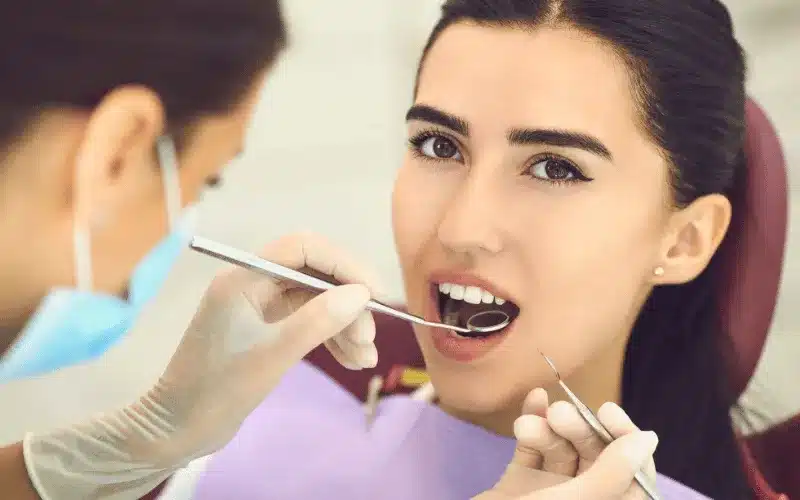
Orthodontic problems aren’t just about crooked teeth—they can affect your appearance, comfort, and even your long-term dental health. Imagine how much more confident you’d feel with a straight, functional smile that not only boosts your self-esteem but also enhances your overall health.
The truth is, whether you’re a child, teenager, or even an adult, orthodontic issues can arise at any stage of life. In fact, did you know that 1 in 3 orthodontic patients today are adults? That’s right—it’s never too late to take control of your smile, and the solutions available today are more effective and discreet than ever before.
In this blog, we’ll take a look at 10 common orthodontic issues and how our team can help you address them.
Table of Contents:
- Overbite
- Underbite
- Crossbite
- Open Bite
- Crowded Teeth
- Gaps Between Teeth
- Crooked Teeth
- Misaligned Jaw
- Impacted Teeth
- Teeth Grinding (Bruxism)
- Conclusion
- Orthodontic Treatment in Roseville,CA at Dunn Orthodontics
- Frequently Asked Questions (FAQs) about Orthodontic Problems
10 Common Orthodontic Problems
1. Overbite:
An overbite occurs when the upper teeth overlap the lower teeth too much. This issue can cause jaw pain, difficulty chewing, and an increased risk of tooth wear.
How an Orthodontist Can Help:
At Dunn Orthodontics, we use braces or clear aligners to correct overbites. In severe cases, we may also recommend surgery or retainers post-treatment to ensure lasting results.
2. Underbite:
An underbite happens when the lower teeth extend beyond the upper teeth, leading to jaw misalignment. This condition can affect speech and chewing.
How an Orthodontist Can Help:
An orthodontist in Roseville can correct an underbite through braces, clear aligners, or in some cases, jaw surgery. The treatment will align the bite and restore function and aesthetics.
3. Crossbite:
A crossbite occurs when one or more of the upper teeth bite inside the lower teeth, causing wear, gum recession, or bone loss.
How an Orthodontist Can Help:
Crossbites are often treated with braces or clear aligners, which shift the teeth into the correct position. Early intervention is key to prevent long-term damage.
4. Open Bite:
An open bite happens when the upper and lower teeth do not meet when the mouth is closed. This can lead to speech issues and difficulty chewing.
How an Orthodontist Can Help:
Open bites can be treated using braces or clear aligners to realign the teeth. In some cases, your orthodontist might recommend jaw surgery if the misalignment is severe.
5. Crowded Teeth:
Crowded teeth occur when there isn’t enough space in the mouth for all the teeth to fit properly. This can lead to misalignment and difficulty cleaning teeth.
How an Orthodontist Can Help:
Braces or clear aligners can help by gradually shifting teeth into the proper position. In some cases, tooth extraction might be necessary to create space.
6. Gaps Between Teeth:
Some people have extra space between their teeth, often due to genetics or thumb sucking in childhood.
How an Orthodontist Can Help:
At Dunn Orthodontics, we offer treatments like braces or Invisible aligners to close gaps and improve the alignment of your teeth. This treatment not only enhances your smile but also improves your oral health by preventing food and plaque buildup between teeth.
7. Crooked Teeth:
Crooked teeth affect the appearance of your smile and can also create areas that are difficult to clean, leading to cavities or gum disease.
How an Orthodontist Can Help:
Braces or clear aligners are effective treatments for crooked teeth. At Dunn Orthodontics, we offer various orthodontic solutions to straighten your smile.
8. Misaligned Jaw:
A misaligned jaw occurs when the upper and lower jaws don’t align properly, causing difficulty in biting, chewing, and speaking.
How an Orthodontist Can Help:
For jaw misalignment, a local orthodontist in Roseville might recommend braces combined with other treatments like retainers or even surgery for severe cases.
9. Impacted Teeth:
An impacted tooth is one that fails to emerge through the gums due to a lack of space or improper positioning.
How an Orthodontist Can Help:
If you have an impacted tooth, Orthodontists at Dunn Orthodontics can develop a treatment plan involving braces, extractions, or surgery to reposition the tooth.
10. Teeth Grinding (Bruxism):
Teeth grinding or bruxism is often caused by stress or misaligned teeth, and it can lead to tooth damage, jaw pain, and headaches.
How an Orthodontist Can Help:
An experienced orthodontist in Roseville can design a custom night guard or recommend braces to correct alignment issues that may be contributing to bruxism.
Conclusion:
Orthodontic problems, such as overbites, crowded teeth, or misalignment, are common but treatable with the right care. These issues can affect both the appearance and functionality of your teeth, leading to potential discomfort or long-term dental complications if left untreated.
The good news is that modern orthodontic treatments—ranging from traditional braces to clear aligners—offer effective solutions tailored to your needs. By understanding the symptoms, available treatments and timely orthodontic care, you can make informed decisions about your oral health.
Orthodontic Treatment in Roseville,CA at Dunn Orthodontics
Whether you’re looking to address a bite issue, straighten your teeth, or experiencing any of the common orthodontic issues mentioned above, don’t hesitate to seek professional help, Contact us and visit Dunn Orthodontics in Roseville, CA today to schedule your consultation!
Frequently Asked Questions (FAQs) about Orthodontic Problems:
1. How do I know if I need braces?
If you notice misalignment, bite issues, or difficulty chewing, it’s best to consult with an orthodontist. A professional evaluation will determine if braces or another treatment option is necessary.
2. How long will my treatment take?
Treatment time depends on the severity of your orthodontic issue. Typically, treatment lasts between 18 to 24 months, but each case is unique.
3. Are clear aligners as effective as braces?
Clear aligners can be just as effective as traditional braces for many orthodontic issues. Your orthodontist will help you decide which option is best for your case.
4. Can adults get braces?
Absolutely! Many adults seek orthodontic treatment to correct long-standing issues or achieve a straighter smile. There are discreet options like clear aligners available.
5. How do I care for my braces or clear aligners?
Proper oral hygiene and regular visits to your orthodontist are key to successful treatment. Your orthodontist will provide specific instructions on how to care for your braces or aligners.
Recent Posts
April 22, 2026
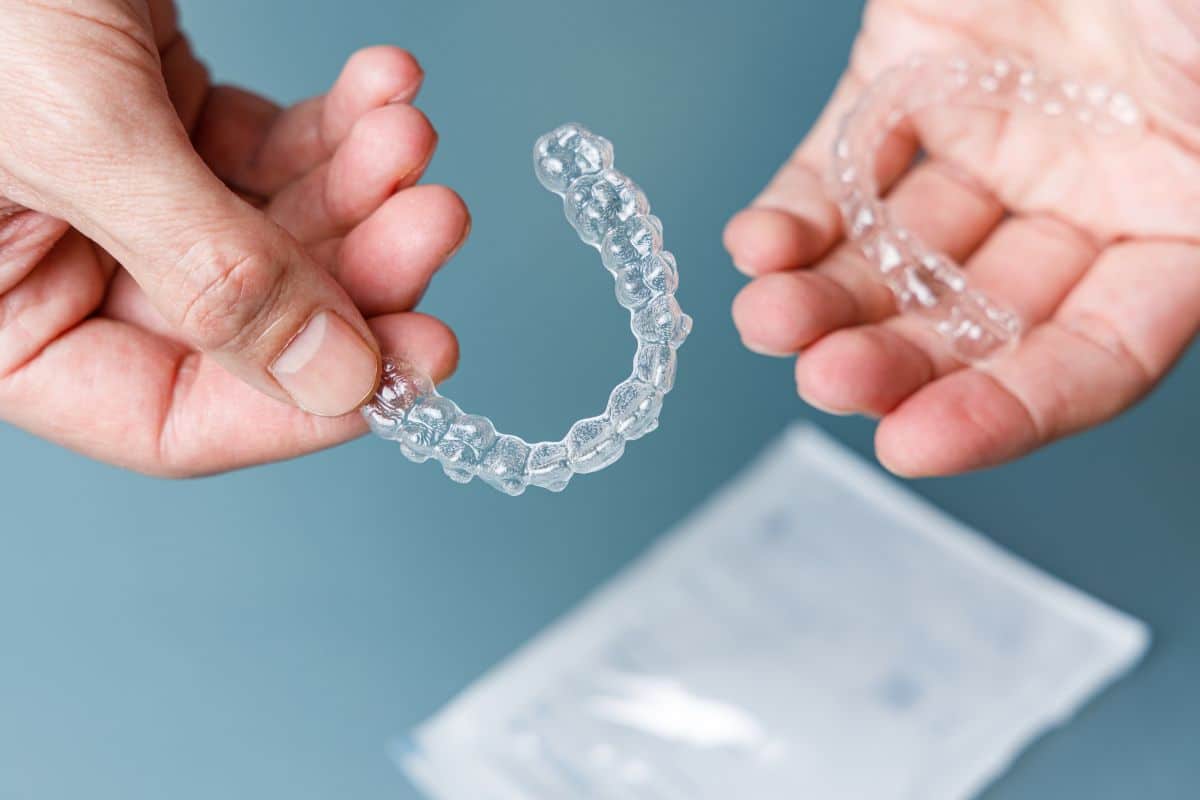
Can Invisalign Really Fix Crossbite- Here’s What Roseville Patients Should Know
April 15, 2026
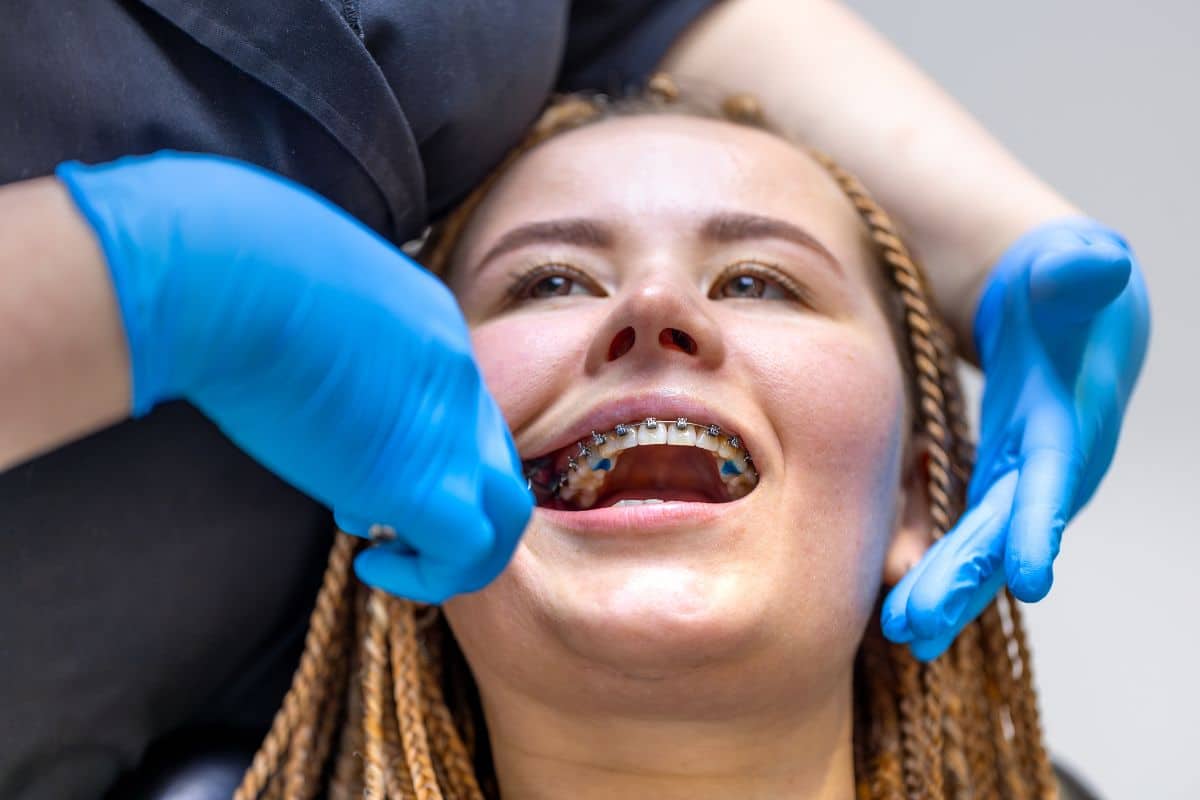
How To Prepare For Your First Braces Appointment?
April 9, 2026
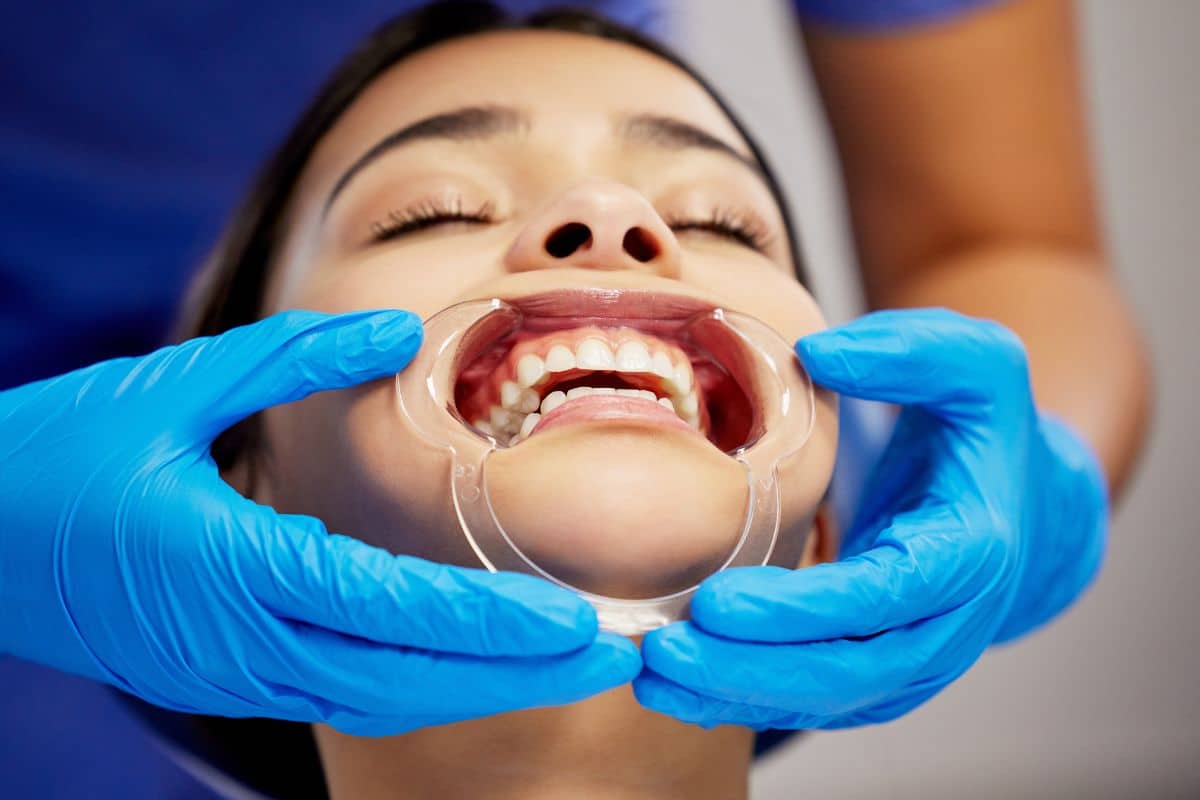
How Orthodontic Treatment Changes with Age: What Roseville Patients Need to Know
April 6, 2026
Dealing With Invisalign Discomfort: A Guide For Roseville Patients

March 24, 2026
What Smile Issues Can Invisalign Correct? A Roseville Dentist’s Guide
Categories
Orthodontics (43)