
Can Invisalign Fix Tooth Gaps in 3-Year-Olds?
September 23, 2024

Tooth gaps can be a common concern among parents, especially when they notice them in their young children. Early dental care is crucial, and with modern advancements like Invisalign, many wonder if these clear aligners are suitable for kids as young as three. Let’s explore this question and the options available for treating tooth gaps in young children.
What is Invisalign?
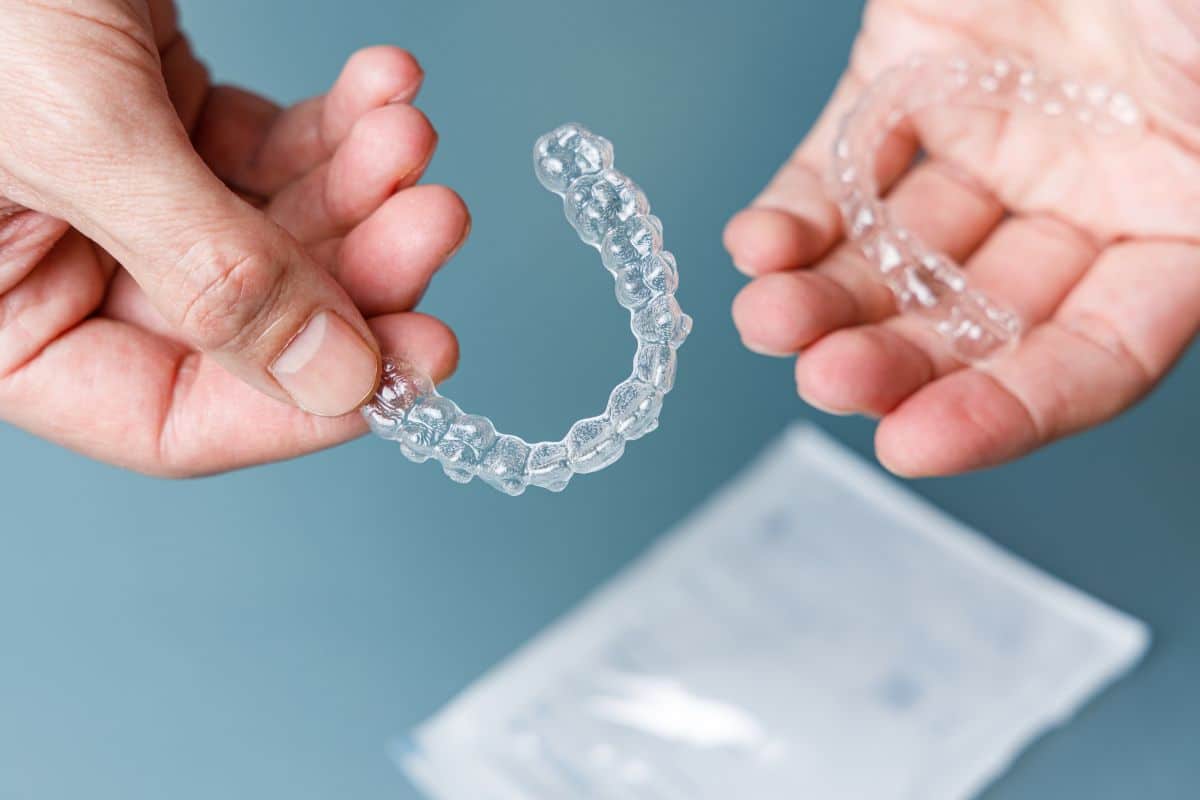
Invisalign is a popular orthodontic treatment designed to straighten teeth without the use of traditional metal braces. Instead of brackets and wires, Invisalign uses a series of clear, removable aligners that gradually shift teeth into their desired positions. It’s known for its aesthetic appeal and comfort, making it a favorite among teens and adults.
Understanding Tooth Gaps in Children
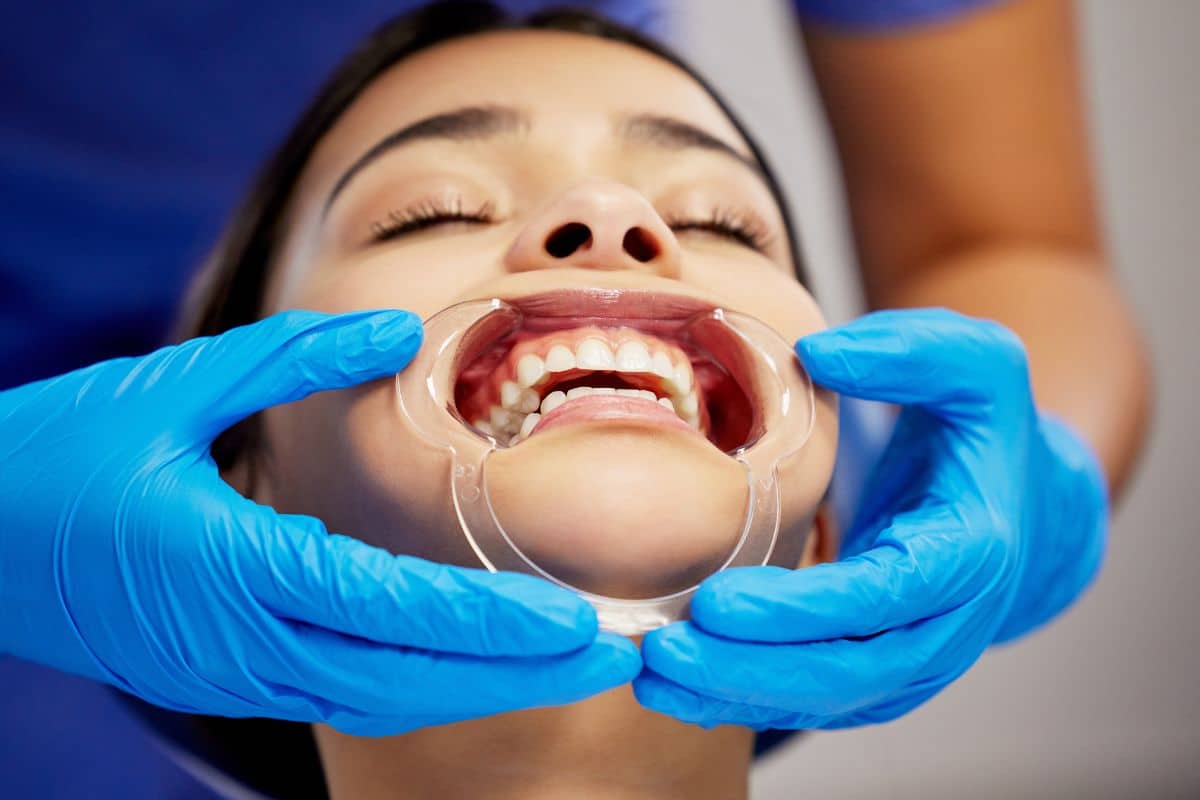
Tooth gaps, or diastemas, are spaces between teeth that can occur for several reasons. In young children, these gaps often result from the natural process of losing baby teeth and the emergence of adult teeth. Factors like thumb sucking, dental hygiene habits, and genetics can also contribute.
Age Considerations for Orthodontic Treatment
When it comes to orthodontic treatment, age is a significant factor. Generally, orthodontists recommend that children have their first evaluation by age seven. However, starting treatment too early can sometimes lead to complications.
Can Invisalign Be Used for 3-Year-Olds?
While Invisalign is effective for many age groups, using it for a three-year-old is not typical. The primary concern is that most three-year-olds may not have the discipline to wear the aligners for the required 20-22 hours per day. Moreover, their teeth are still developing, which makes precise treatment challenging.
Alternatives to Invisalign for Young Children
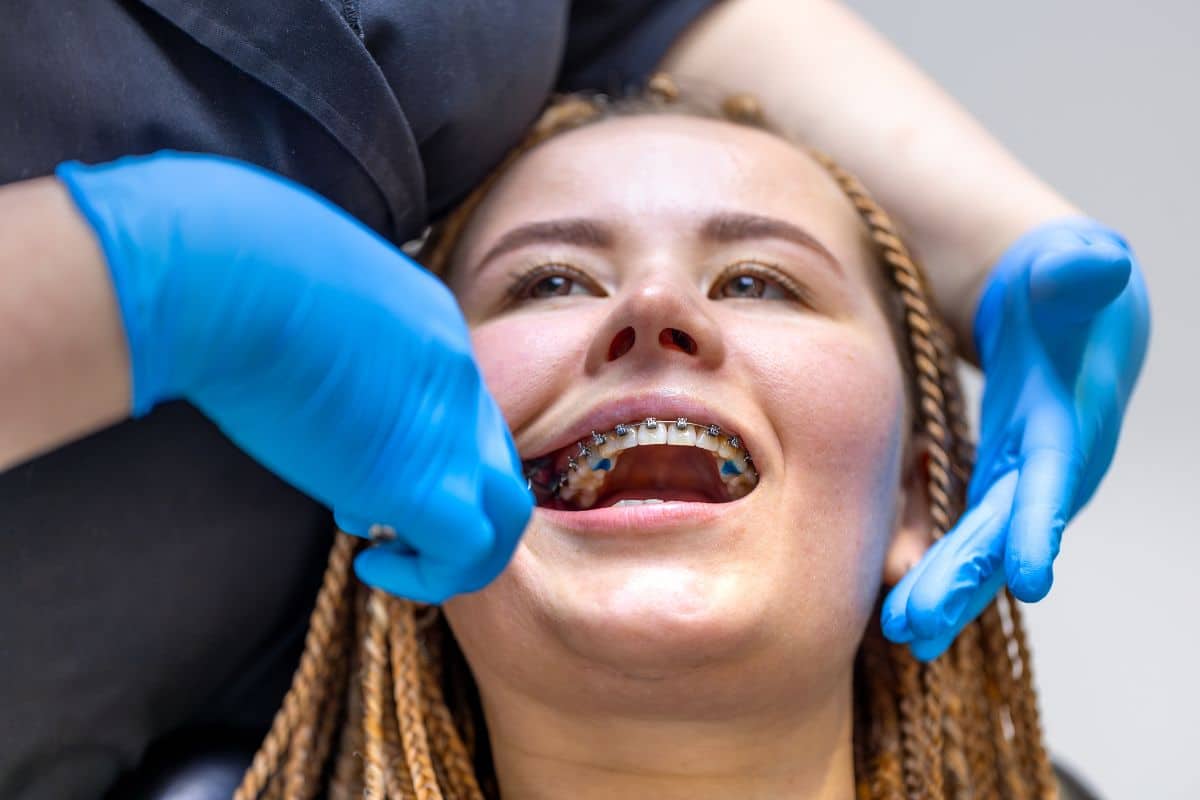
For young children, traditional braces or other orthodontic solutions might be more appropriate. Options like space maintainers or early-phase treatment can help guide teeth development without the need for clear aligners.
Consulting an Orthodontist
If you suspect your child has tooth gaps that may require treatment, it’s essential to visit a local pediatric orthodontist. They can provide a comprehensive evaluation and recommend the best course of action. Expect a thorough examination and a discussion about your child’s dental history and habits.
Benefits of Early Orthodontic Treatment
Addressing dental issues early can have long-term benefits. Not only can it lead to healthier teeth and gums, but it can also boost your child’s confidence and overall well-being. Early treatment often reduces the need for more invasive procedures later.
Potential Drawbacks of Early Treatment
Despite the benefits, there are also drawbacks to consider. Early orthodontic treatment can sometimes cause discomfort and may be a financial burden. Additionally, the child must be cooperative, which can be a challenge at a young age.
Parental Responsibilities
Parents play a critical role in their children’s dental health. Encouraging good oral hygiene practices, such as regular brushing and flossing, is essential. Establishing a routine can help instill lifelong habits that support healthy teeth.
Signs Your Child May Need Orthodontic Evaluation
Keep an eye out for signs that may indicate a need for orthodontic evaluation. Symptoms like difficulty chewing, noticeable gaps, or crowding of teeth are worth discussing with a dentist.
Future of Orthodontics for Young Children
As technology advances, the future of pediatric orthodontics looks promising. New techniques and tools are emerging, providing more options for early treatment that are both effective and comfortable for young patients.
Conclusion
While Invisalign may not be the best option for three-year-olds, understanding your child’s dental health is essential. Consulting with an orthodontist can provide you with the right guidance, ensuring your child’s smile is healthy and bright for years to come. Early intervention can be beneficial, so don’t hesitate to seek professional advice!
Recent Posts
April 22, 2026
Can Invisalign Really Fix Crossbite- Here’s What Roseville Patients Should Know
April 15, 2026
How To Prepare For Your First Braces Appointment?
April 9, 2026
How Orthodontic Treatment Changes with Age: What Roseville Patients Need to Know
April 6, 2026
Dealing With Invisalign Discomfort: A Guide For Roseville Patients

March 24, 2026
What Smile Issues Can Invisalign Correct? A Roseville Dentist’s Guide
Categories
General dentistry (32)