
Everything You Need to Know About Invisalign® with a Crown
May 20, 2024
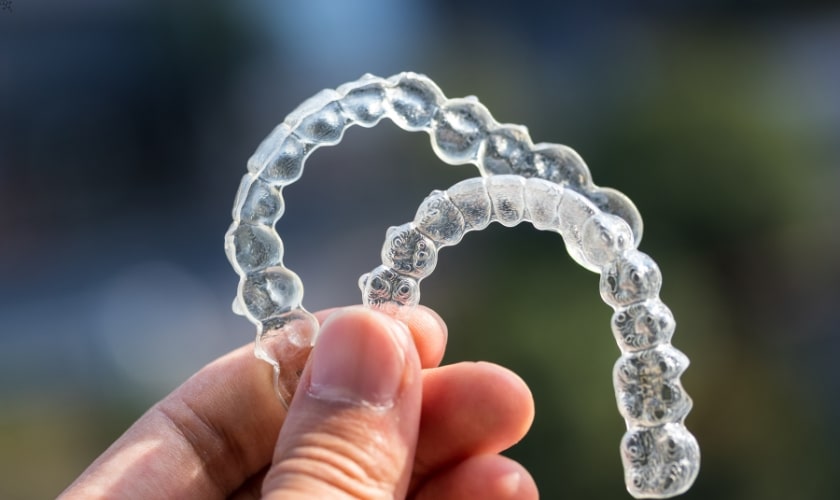
Invisalign® has become a popular choice for those seeking a discreet method to straighten teeth without the hassle of traditional metal braces. However, what happens when you already have a dental crown? In this comprehensive guide, we’ll walk you through everything you need to know about undergoing Invisalign® treatment with a crown, addressing common concerns and providing insights into the procedure.
Introduction
When considering Invisalign® treatment with a crown, there are several important factors to keep in mind. This article will guide you through the entire process, from understanding the challenges to the final results.
Understanding Invisalign® with a Crown
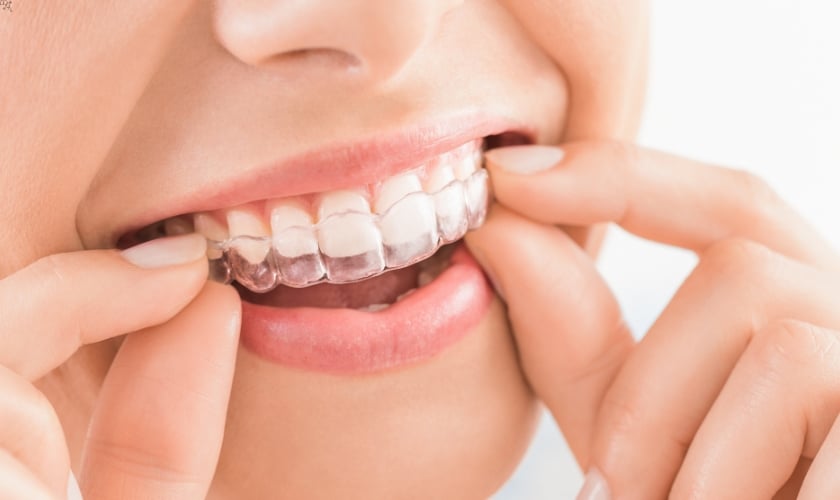
Invisalign® treatment involves a series of clear aligners that gradually move teeth into their desired position. For individuals with crowns, the process can be slightly more complex. Crowns, which are artificial caps placed over damaged teeth, need careful consideration during orthodontic treatment.
Choosing the Right Orthodontist
The first step in your journey to Invisalign® with a crown is finding the right Orthodontist. A Orthodontist specializes in the restoration and replacement of teeth, including crowns. It’s crucial to choose a qualified professional with experience in handling cases involving both Invisalign® and crowns. In Roseville, CA, finding a reputable Orthodontist is essential, as highlighted by the author’s search for the best specialist available.
The Procedure: From Start to Finish
The procedure to fix an old crown and proceed with Invisalign® typically involves several steps. Initially, the prosthodontist will assess the condition of the existing crown and determine if any adjustments are necessary. This could include crown removal and temporary crown placement.
Step 1: Assessing the Crown
Before beginning Invisalign® treatment, the Orthodontist will evaluate the condition of the old crown. In the article, the author describes their experience with an old crown that had shifted during previous treatments, highlighting the need for an evaluation before proceeding with Invisalign®.
Step 2: Crown Removal and Adjustment
If adjustments are needed, the Orthodontist will carefully remove the old crown. This procedure is relatively straightforward but can vary depending on how well the crown has adhered to the tooth. Once removed, a temporary crown may be placed to protect the tooth and maintain its shape.
Step 3: Gum Line Alteration (Gum Contouring)
In some cases, the Orthodontist may need to alter the gum line to achieve the desired aesthetic outcome. This could involve minor surgery to reshape the gum, as explained in the article. The goal is to ensure that the teeth and gums appear symmetrical and aesthetically pleasing.
Step 4: Invisalign® Treatment Plan
Once the crown has been adjusted or replaced and the gum line has been reshaped if necessary, the prosthodontist will create a personalized Invisalign® treatment plan. This plan will involve wearing a series of clear aligners that are custom-made to fit your teeth and gradually move them into the desired position.
Overcoming Fears and Challenges
Undergoing dental procedures can be daunting, especially when it involves existing dental work like crowns. The author shares their personal fears and anxieties before undergoing treatment, including concerns about crown removal and potential complications such as the need for dental implants.
Common Fears Addressed:
- Fear of crown removal: The author worried that their old crown, in place for nearly two decades, would be difficult to remove.
- Fear of hidden issues: Concerns about finding an abscess or root damage beneath the old crown.
- Fear of dental implants: The author was particularly anxious about the possibility of needing a dental implant, a procedure that involves drilling into the jawbone.
Recovery and Aftercare
After the initial procedure, recovery is crucial for the success of Invisalign® treatment with a crown. The author describes the importance of allowing time for the gums to heal and settle before proceeding with permanent crown placement.
Aftercare Tips:
- Follow the prosthodontist’s instructions for wearing and caring for your Invisalign® aligners.
- Attend follow-up appointments to monitor progress and make any necessary adjustments.
- Maintain good oral hygiene practices to ensure the longevity of your new crown and Invisalign® treatment.
Final Results and Considerations

After completing Invisalign® treatment with a new crown, the author reflects on the results and the overall experience. They conclude that despite initial fears and challenges, the procedure was ultimately worth the investment of time and money.
Conclusion
Invisalign® with a crown is indeed possible and can deliver transformative results. If you’re considering this treatment option, it’s essential to consult with a qualified Orthodontist who specializes in both Invisalign® and crown procedures. With proper planning and care, you can achieve a straighter smile and improved dental health.
FAQs
1. Can you use Invisalign® if you have a crown? Yes, Invisalign® can be used if you have a crown, but it requires careful evaluation and planning by a qualified prosthodontist.
2. What is the role of a prosthodontist in dental care? A prosthodontist specializes in the restoration and replacement of teeth, including crowns and dental implants.
3. How much does Invisalign® with a crown cost? The cost can vary depending on the complexity of the case, but it generally adds to the expense of standard Invisalign® treatment.
4. What are the risks associated with gum line alteration? Gum line alteration, or gum contouring, involves minor surgery and carries risks such as infection or temporary discomfort.
5. How long does it take to remove an old crown? The procedure to remove an old crown typically takes a single appointment, but it can vary based on individual circumstances.
6. What happens if the temporary crown falls off? If the temporary crown falls off, contact your prosthodontist immediately for guidance and to avoid complications.
7. How does local anesthesia work during dental procedures? Local anesthesia numbs the specific area where the procedure is being performed, ensuring comfort during treatment.
8. Is Invisalign® with a crown more expensive than regular Invisalign®? Yes, Invisalign® with a crown is generally more expensive due to the additional procedures involved.
9. What are the alternatives to Invisalign® for people with crowns? Alternatives include traditional braces or discussing other orthodontic options with your prosthodontist.
10. How long does it take for the gums to heal after crown alteration? Gums typically heal within a few weeks after crown alteration, but it’s important to follow aftercare instructions.
Recent Posts
April 22, 2026
Can Invisalign Really Fix Crossbite- Here’s What Roseville Patients Should Know
April 15, 2026
How To Prepare For Your First Braces Appointment?
April 9, 2026
How Orthodontic Treatment Changes with Age: What Roseville Patients Need to Know
April 6, 2026
Dealing With Invisalign Discomfort: A Guide For Roseville Patients

March 24, 2026
What Smile Issues Can Invisalign Correct? A Roseville Dentist’s Guide
Categories
General dentistry (32)