
Your Guide to Two-Phase Orthodontic Treatment
May 28, 2025
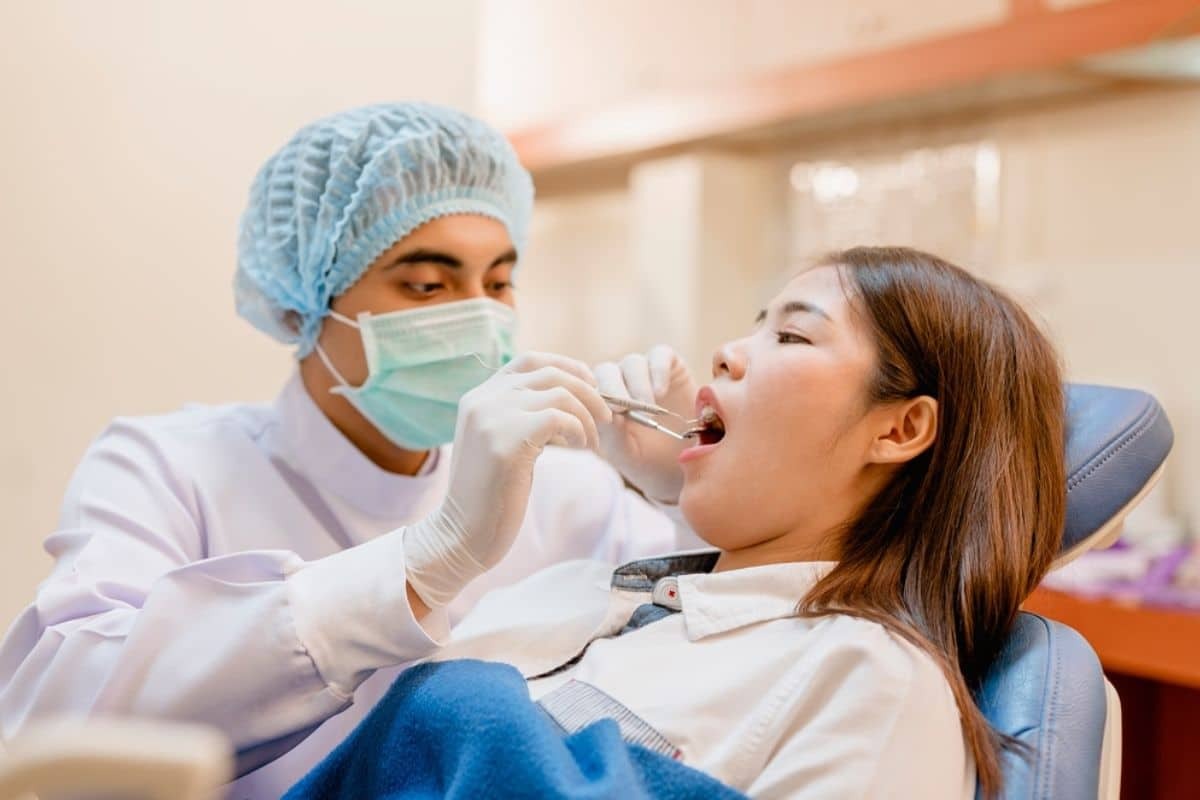
Two-phase orthodontic treatment is a strategic approach to guiding the growth and development of a child’s teeth and jaws. Designed to begin at an early age, this treatment helps prevent more severe dental issues down the line. Understanding how this process works can give parents confidence when making decisions about their child’s oral health. In this blog, we’ll explain each phase, who may benefit from it, and what to expect throughout the journey.
What Is Two-Phase Orthodontic Treatment?
Two-phase treatment involves two distinct stages, typically beginning between the ages of 7 and 10, when a child still has a mix of baby and permanent teeth. The goal is to address developmental concerns early, allowing for smoother and more effective orthodontic care later in adolescence.
Phase One: Guiding Growth
The first phase focuses on promoting proper jaw development and ensuring there is enough space for permanent teeth to come in correctly. It often involves the use of appliances such as expanders or partial braces, depending on the child’s specific needs. Early treatment at this stage can help correct habits like thumb-sucking or mouth breathing and reduce the risk of more complex issues in the future.
After the initial stage, a rest period follows. This allows the remaining permanent teeth to erupt naturally without active treatment. During this time, the orthodontist monitors progress and development, preparing for the second phase.
Phase Two: Perfecting Alignment
Once most of the permanent teeth have come in, phase two begins. This is typically the time when full braces or clear aligners are used to fine-tune the bite and straighten the teeth. Because of the foundational work done in phase one, this stage is often shorter and more efficient than it would be without early intervention.
Who Benefits from Two-Phase Treatment?
Not every child will need two-phase orthodontics, but it can be particularly beneficial for those with significant jaw misalignment, crowding, or habits that affect oral development. An early orthodontic evaluation is key to determining if this approach is necessary.
Midway through your child’s evaluation journey, you might consider scheduling a consultation with a Roseville orthodontist to explore the best treatment options. A professional with experience in two-phase methods can provide personalized care that supports long-term dental health.
What to Expect During the Process
From the initial consultation to the final stage of treatment, the process is designed with your child’s comfort and health in mind. The orthodontist will begin by evaluating your child’s growth patterns, dental development, and any emerging alignment issues. Regular follow-ups ensure treatment stays on track, and any adjustments needed are made promptly.
Throughout both phases, parents play a vital role by encouraging proper oral hygiene and attending scheduled appointments. Good communication between the family and orthodontic team can make a big difference in the overall success of the treatment.
The Long-Term Benefits
Investing in a structured, phased approach to orthodontics can lead to a lifetime of improved oral function and appearance. Proper jaw alignment reduces the chances of issues like excessive tooth wear, difficulty chewing, and even speech problems. Plus, early intervention can lead to more stable results and less invasive procedures later on.
The two-phase approach is not just about aesthetics—it’s about building a healthy, functional bite from the start. For many families, this path offers peace of mind and effective long-term results.
Ready to Explore Your Options?
If your child is nearing age 7 or you’re noticing signs of misalignment or bite issues, it may be time to consult an expert. We encourage you to visit our dental office for a comprehensive evaluation and expert recommendations tailored to your child’s growth stage.
Recent Posts
April 22, 2026
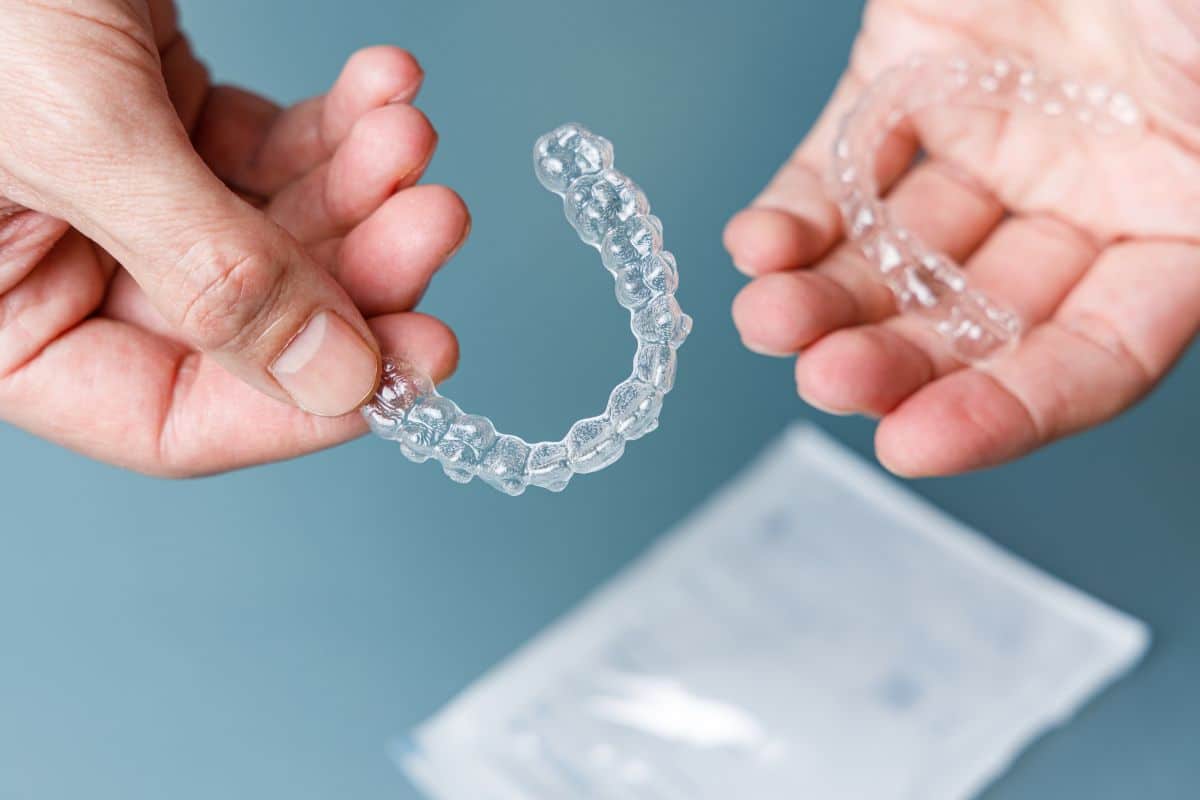
Can Invisalign Really Fix Crossbite- Here’s What Roseville Patients Should Know
April 15, 2026
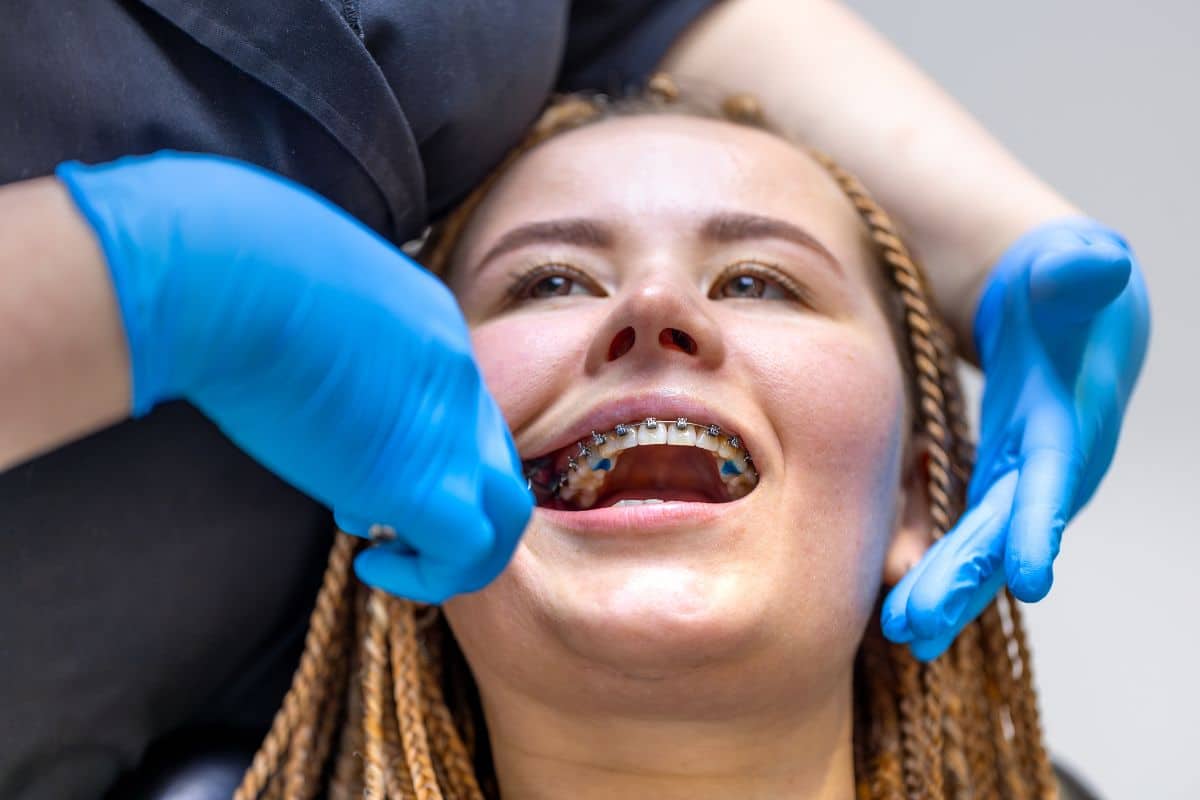
How To Prepare For Your First Braces Appointment?
April 9, 2026
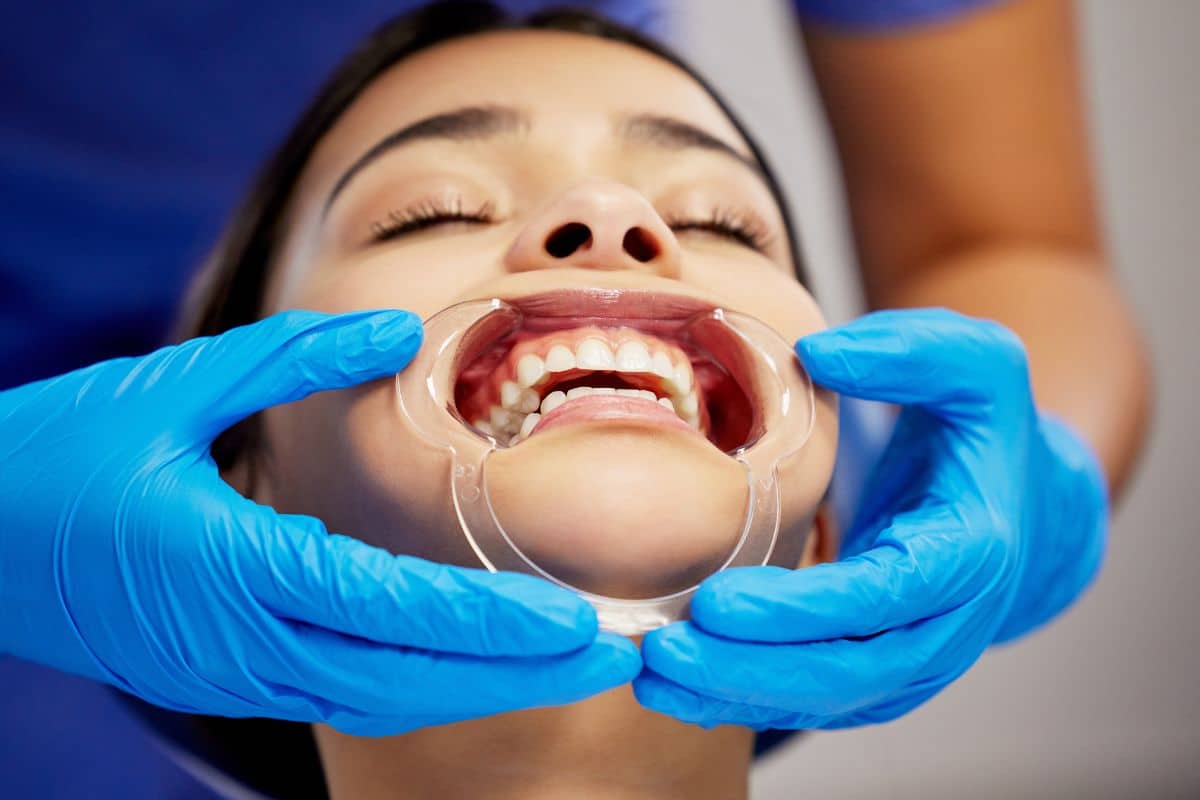
How Orthodontic Treatment Changes with Age: What Roseville Patients Need to Know
April 6, 2026
Dealing With Invisalign Discomfort: A Guide For Roseville Patients

March 24, 2026
What Smile Issues Can Invisalign Correct? A Roseville Dentist’s Guide
Categories
Orthodontics (43)