
Why Does Brushing Hurt? Exploring Tooth Pain with Braces and Invisalign®
March 5, 2024
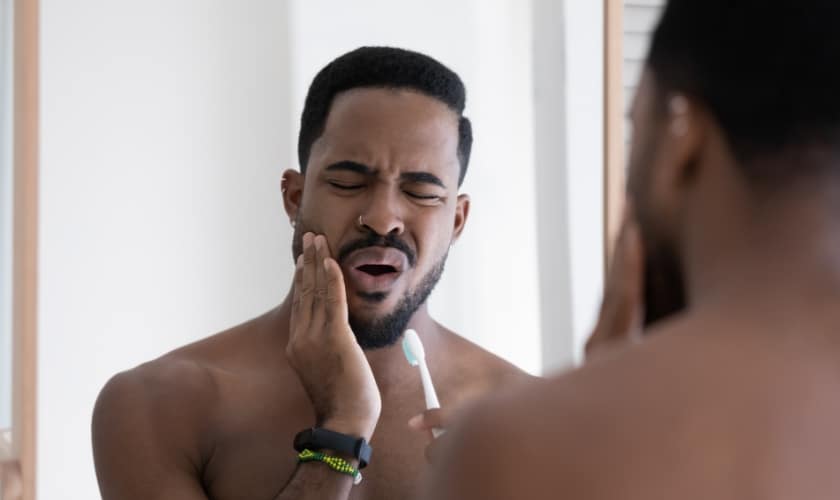
Are you experiencing tooth pain after brushing, especially since getting braces or Invisalign®? Don’t worry; you’re not alone. Many people undergoing orthodontic treatments encounter increased tooth sensitivity and discomfort, particularly right after brushing. But what exactly causes this discomfort, and what can you do about it?
Understanding Tooth Pain with Braces and Invisalign®
Increased Sensitivity:
One of the primary reasons behind tooth pain after brushing with braces or Invisalign® is increased sensitivity. When you have orthodontic appliances like braces or Invisalign® aligners, they apply pressure to your teeth to shift them into proper alignment. This pressure can make your teeth more sensitive than usual, especially to brushing and other stimuli.
Gum Irritation:
Braces and Invisalign® can sometimes irritate your gums, particularly if the wires or aligners rub against them during brushing. This irritation can cause discomfort and even lead to gum inflammation or soreness.
Difficulty Cleaning:
Cleaning your teeth properly becomes more challenging with braces or Invisalign®. The wires and brackets of braces create additional nooks and crannies where food particles and plaque can accumulate. Invisalign® aligners can also trap food particles against your teeth if you don’t thoroughly clean them before wearing them again. Inadequate cleaning can lead to gum irritation and tooth pain.
Tightening of Braces:
If you have traditional braces, you may experience discomfort after brushing, especially after adjustments. When your orthodontist tightens the wires of your braces to continue the teeth-straightening process, it can cause temporary discomfort and sensitivity in your teeth.
Tips to Alleviate Tooth Pain After Brushing
- Use a Soft-Bristled Toothbrush: Opt for a toothbrush with soft bristles to minimize irritation to your gums and teeth. Gentle brushing motions can help clean your teeth effectively without exacerbating sensitivity.
- Brush Gently and Thoroughly: Brush your teeth gently but thoroughly, making sure to clean around the brackets, wires, and gum line. Pay extra attention to areas where food particles may accumulate, and use interdental brushes or floss threaders to clean between wires and brackets.
- Use Fluoride Toothpaste: Consider using a fluoride toothpaste recommended by your orthodontist to help strengthen your tooth enamel and reduce sensitivity.
- Rinse with Saltwater: Rinse your mouth with a warm saltwater solution after brushing to soothe irritated gums and alleviate discomfort.
- Apply Orthodontic Wax: If the wires or brackets of your braces are causing irritation, you can apply orthodontic wax to smooth out rough edges and create a barrier between the appliance and your gums.
- Stay Consistent with Oral Hygiene: Consistency is key when it comes to oral hygiene, especially with braces or Invisalign®. Stick to a thorough brushing and flossing routine to prevent plaque buildup and minimize discomfort.
Conclusion
Tooth pain after brushing with braces or Invisalign® is a common occurrence due to increased sensitivity, gum irritation, and difficulty cleaning. However, by understanding the reasons behind this discomfort and implementing proper oral hygiene techniques, you can alleviate pain and maintain optimal dental health throughout your orthodontic treatment journey. If you experience persistent or severe tooth pain, be sure to visit your local orthodontist for personalized advice and guidance.
Recent Posts
June 1, 2026
Our Orthodontist Explains What Can Go Wrong With Invisalign and How to Stay on Track

May 27, 2026
Our Roseville Orthodontist’s Guide to Eating With New Braces
May 19, 2026
5 Common Invisalign Problems & How to Manage Them
May 13, 2026
Thinking About Invisalign? Here’s How the Process Works
May 8, 2026
Why Roseville Locals Are Turning To Orthodontics For Better Oral Health?
Categories
Orthodontics (44)