
How to Stop Braces from Rubbing Against Your Cheeks: Solutions Beyond Wax
September 17, 2024

Braces are a vital tool in achieving a straight, healthy smile. However, they can also cause discomfort, particularly when they rub against the inside of your cheeks. Although orthodontic wax is commonly recommended, there are other effective ways to alleviate this discomfort. Below, we outline detailed methods to stop braces from irritating your cheeks, provide long-term solutions, and explain when to seek professional advice.
Understanding the Discomfort: Why Braces Cause Irritation
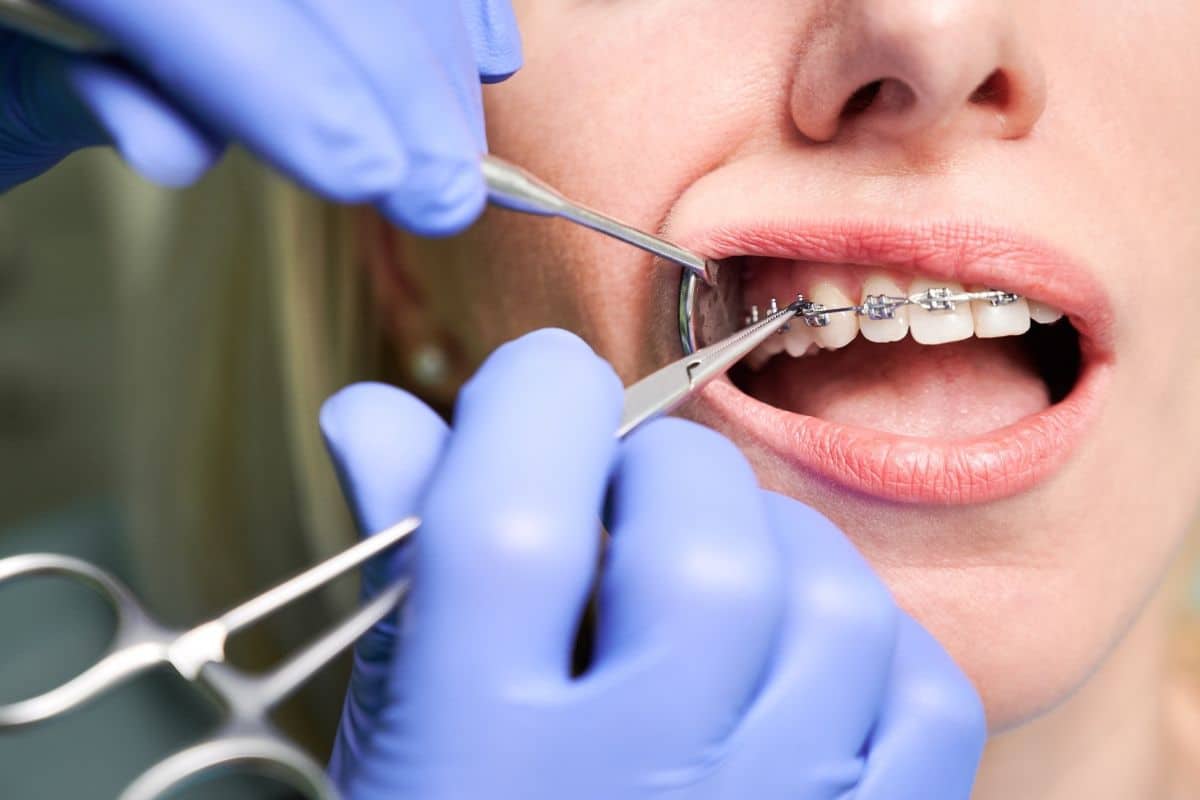
Braces consist of metal brackets, wires, and elastics that apply continuous pressure to reposition your teeth. These metal components can sometimes rub against the soft tissue in your mouth, leading to sores or ulcers on your cheeks and gums. This is especially common during the first few weeks of wearing braces or after adjustments.
Key Reasons for Irritation
- Bracket Positioning: Brackets, particularly those near the back teeth, are often the main culprits.
- New Adjustments: Tightened wires or additional appliances can create new pressure points.
- Mouth Sensitivity: The inside of the cheeks is sensitive and can react quickly to any irritation caused by metal components.
Solutions to Stop Braces from Rubbing Without Wax
While orthodontic wax is a popular temporary fix, you might want longer-lasting solutions. Here are alternative methods to reduce irritation from braces without relying on wax.
1. Use Silicone Covers for Braces
Silicone covers are a reusable alternative to wax. They are easy to apply, comfortable, and can stay in place for longer periods.
- How to Apply: After brushing your teeth, dry the brackets and place the silicone cover over them. The cover acts as a barrier between the metal and your cheek.
- Benefits: Unlike wax, silicone covers don’t wear out quickly, making them more durable and efficient for long-term comfort.
2. Hydration: Keep Your Mouth Moist
A dry mouth can exacerbate the irritation caused by braces. Ensure that you’re well-hydrated throughout the day.
- Drink Water Regularly: This will keep your cheeks and gums moist, reducing the likelihood of metal scraping against dry tissue.
- Use a Humidifier: If you tend to breathe through your mouth, especially at night, a humidifier can add moisture to the air, preventing your mouth from drying out.
3. Salt Water Rinse for Healing and Soothing
Salt water rinses have long been a recommended home remedy for oral discomfort, and they can also help alleviate irritation caused by braces.
- How to Use: Mix a teaspoon of salt in a glass of warm water. Swish it around in your mouth for about 30 seconds, then spit it out.
- Benefits: Saltwater reduces inflammation and promotes healing of sores inside your mouth.
4. Apply Oral Anesthetic for Quick Relief
Over-the-counter oral anesthetics like benzocaine can numb the affected area, offering quick relief from the pain of irritated cheeks.
- How to Apply: Dab a small amount of the anesthetic gel on the sore or irritated spot inside your mouth. Be sure to follow the product’s instructions carefully.
- Benefits: Provides instant numbing, allowing you to eat or speak without discomfort.
Long-Term Solutions to Prevent Irritation
Instead of constantly reacting to the pain, consider more permanent methods to prevent your braces from causing discomfort in the first place.
1. Orthodontic Adjustment by Your Orthodontist
If certain brackets or wires continually cause irritation, it might be time to visit your orthodontist. They can adjust the position of your brackets or trim the wires to reduce the friction against your cheeks.
- What to Expect: A small wire trim or a repositioning of the brackets can make a significant difference in comfort. Regular checkups will allow the orthodontist to monitor and address any recurring issues.
2. Switch to Ceramic or Self-Ligating Braces
If metal brackets are consistently causing problems, switching to ceramic braces or self-ligating braces might help. These types of braces are less bulky and smoother, making them less likely to irritate soft tissue.
- Ceramic Braces: Ceramic brackets are smoother and smaller than traditional metal brackets, reducing friction.
- Self-Ligating Braces: These braces don’t require elastics, meaning fewer components are in contact with your cheeks.
Preventative Care to Avoid Cheek Sores
Taking care of your mouth and braces can prevent future irritation and discomfort.
1. Brush and Floss Regularly
Maintaining good oral hygiene is essential for preventing infections in any sores caused by braces.
- Brush After Every Meal: Use a soft-bristle toothbrush and fluoride toothpaste to gently clean around the brackets and wires.
- Floss Daily: Flossing helps remove food particles that may get stuck between your braces, preventing the buildup of bacteria that could lead to sores.
2. Cheek Exercises to Toughen Soft Tissue
Strengthening your cheeks can reduce the friction caused by braces over time.
- How to Do It: Puff out your cheeks and hold for 5 seconds, then release. Repeat this exercise 10 times a day.
- Benefits: Over time, this will build up the resilience of your cheek tissue, making it less prone to irritation from braces.
When to Contact Your Orthodontist
In some cases, irritation caused by braces can become more than just an annoyance. If you experience the following symptoms, it’s important to consult with your orthodontist:
- Persistent Sores: If the sores in your mouth do not heal within a week or keep coming back, you may need a professional adjustment.
- Infection: Red, swollen, or painful areas inside your mouth, especially if accompanied by a fever, might indicate an infection.
- Loose Brackets or Wires: If a bracket becomes loose or a wire starts poking the inside of your cheek, schedule a visit to your orthodontist to correct the issue.
Conclusion
While braces are essential for achieving a healthy and aligned smile, they can cause temporary discomfort, particularly in the form of cheek irritation. Fortunately, there are several effective methods to relieve this discomfort without relying on wax. By using silicone covers, keeping your mouth hydrated, and trying saltwater rinses, you can reduce friction between your braces and cheeks. Long-term solutions such as orthodontic adjustments or even switching to smoother types of braces may also help alleviate the issue permanently. If the irritation persists, don’t hesitate to contact your orthodontist for professional assistance.
Recent Posts
June 11, 2026
How Long Does It Take for Braces to Close Front Tooth Gaps?

June 1, 2026
Our Orthodontist Explains What Can Go Wrong With Invisalign and How to Stay on Track

May 27, 2026
Our Roseville Orthodontist’s Guide to Eating With New Braces
May 19, 2026
5 Common Invisalign Problems & How to Manage Them
May 13, 2026
Thinking About Invisalign? Here’s How the Process Works
Categories
General dentistry (32)