
What Not to Do After Getting Braces Off?
July 16, 2024
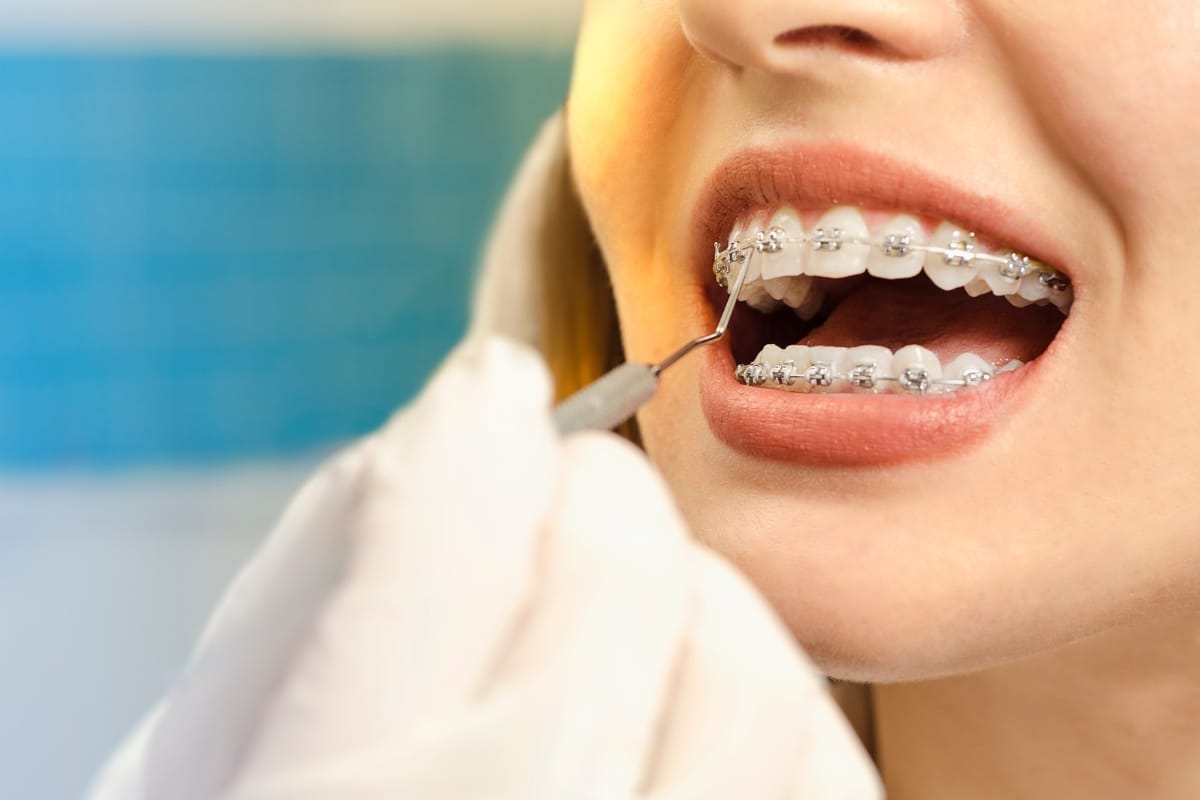
Getting braces off marks an exciting moment in your orthodontic journey, but it’s crucial to maintain proper care afterward to ensure your teeth remain straight and healthy. This article outlines essential tips on what to avoid after braces removal to protect your investment in orthodontic treatment and maintain optimal oral health.
Immediate Post-Braces Care
After braces removal, the first few days are critical for ensuring your teeth settle into their new positions properly.
Follow Orthodontist Instructions
Your orthodontist will provide specific instructions tailored to your treatment. These instructions may include wearing a retainer full-time initially and then transitioning to nighttime wear. It’s crucial to follow these guidelines meticulously to maintain the results of your braces and prevent teeth from shifting back.
Oral Hygiene Routine
Maintain a rigorous oral hygiene routine to prevent plaque buildup and maintain the health of your teeth and gums. Brush your teeth at least twice a day with fluoride toothpaste and use a soft-bristled brush to avoid damaging your gums. Floss daily to remove food particles and plaque from between your teeth and under the gumline. Consider using a fluoride mouthwash to further protect against cavities.
Dietary Restrictions
Immediately after braces removal, your teeth and gums may be sensitive. Avoid hard, sticky, or crunchy foods that can damage your teeth or brackets. Opt for softer foods like yogurt, mashed potatoes, and pasta during the first few days. As your mouth adjusts, gradually reintroduce harder foods while being mindful of chewing carefully to avoid damaging your teeth.
What to Avoid After Braces Removal
Understanding what not to do can prevent setbacks and ensure your smile stays beautiful.
Eating Hard and Sticky Foods
Avoid hard candies, nuts, and sticky sweets that can damage brackets or wires and cause discomfort. These foods can also get stuck in between teeth and braces, making them difficult to clean thoroughly.
Neglecting Oral Hygiene
Continue brushing and flossing diligently to prevent cavities and gum disease, which can develop if oral hygiene is neglected after braces. Pay special attention to cleaning around the brackets and wires to remove plaque buildup that can lead to permanent white spots on your teeth.
Skipping Retainer Use
Wearing your retainer as instructed by your orthodontist is crucial for maintaining the alignment of your teeth. Initially, you may need to wear your retainer full-time, removing it only for eating, brushing, and flossing. Over time, your orthodontist will advise you on transitioning to wearing your retainer only at night to prevent your teeth from shifting.
Oral Health Maintenance Tips
Long-term care ensures your smile remains healthy and beautiful.
Brushing and Flossing Techniques
Use proper techniques and tools recommended by your dentist or orthodontist to keep your teeth and gums clean. Angle your toothbrush at a 45-degree angle to the gums and brush in small, circular motions. Pay attention to cleaning around the brackets and wires to remove any food particles or plaque buildup.
Regular Dental Check-ups
Schedule regular dental visits to monitor your oral health and address any concerns promptly. Your dentist will check for signs of cavities, gum disease, and other oral health issues that may arise after braces removal. Routine cleanings will also help remove any plaque or tartar buildup that can accumulate around your teeth and braces.
Importance of Retainers
Understand the role of retainers in preserving the results of your orthodontic treatment. Retainers help maintain the alignment of your teeth by preventing them from shifting back to their original positions. Follow your orthodontist’s instructions on wearing and caring for your retainer to ensure its effectiveness.
Common Mistakes and Consequences
Learn from common pitfalls to avoid potential setbacks.
Case Studies or Examples
Explore real-life scenarios to understand the impact of neglecting post-braces care. For example, failing to wear a retainer as prescribed can result in teeth shifting back, requiring additional orthodontic treatment to correct.
Potential Risks
Highlight potential risks such as teeth shifting or enamel damage due to improper care. Without proper oral hygiene and retainer use, there’s a risk of developing cavities, gum disease, or other dental issues that can compromise your smile’s health.
How to Correct Mistakes
Provide solutions and corrective measures if mistakes are made during the post-braces period. If you accidentally damage a bracket or wire, contact your orthodontist immediately for repair. Follow their instructions on how to manage any discomfort or issues that may arise.
Lifestyle Adjustments
Incorporate healthy habits into your daily routine for long-term oral health.
Dietary Recommendations
Opt for softer foods and cut fruits into smaller pieces to avoid damaging your teeth or brackets. Avoid chewing on ice or using your teeth to open packages, as these habits can lead to dental emergencies or damage to your braces.
Oral Habits to Adopt
Develop habits like drinking plenty of water and chewing sugar-free gum to maintain oral hygiene. Drinking water helps rinse away food particles and bacteria that can contribute to plaque buildup, while sugar-free gum can stimulate saliva production to naturally cleanse your mouth.
Creating a Routine
Establish a routine that includes oral care practices and regular dental visits to maintain your smile’s health and beauty. Set reminders for brushing and flossing, and keep track of your retainer wear schedule to ensure consistency in your oral care routine.
Conclusion
Taking care of your teeth after braces removal is crucial for preserving your new smile. By following these guidelines and avoiding common mistakes, you can enjoy the benefits of your orthodontic treatment for years to come.
Recent Posts
June 1, 2026
Our Orthodontist Explains What Can Go Wrong With Invisalign and How to Stay on Track

May 27, 2026
Our Roseville Orthodontist’s Guide to Eating With New Braces
May 19, 2026
5 Common Invisalign Problems & How to Manage Them
May 13, 2026
Thinking About Invisalign? Here’s How the Process Works
May 8, 2026
Why Roseville Locals Are Turning To Orthodontics For Better Oral Health?
Categories
General dentistry (32)