
Our Roseville Orthodontist’s Guide to Eating With New Braces
May 27, 2026
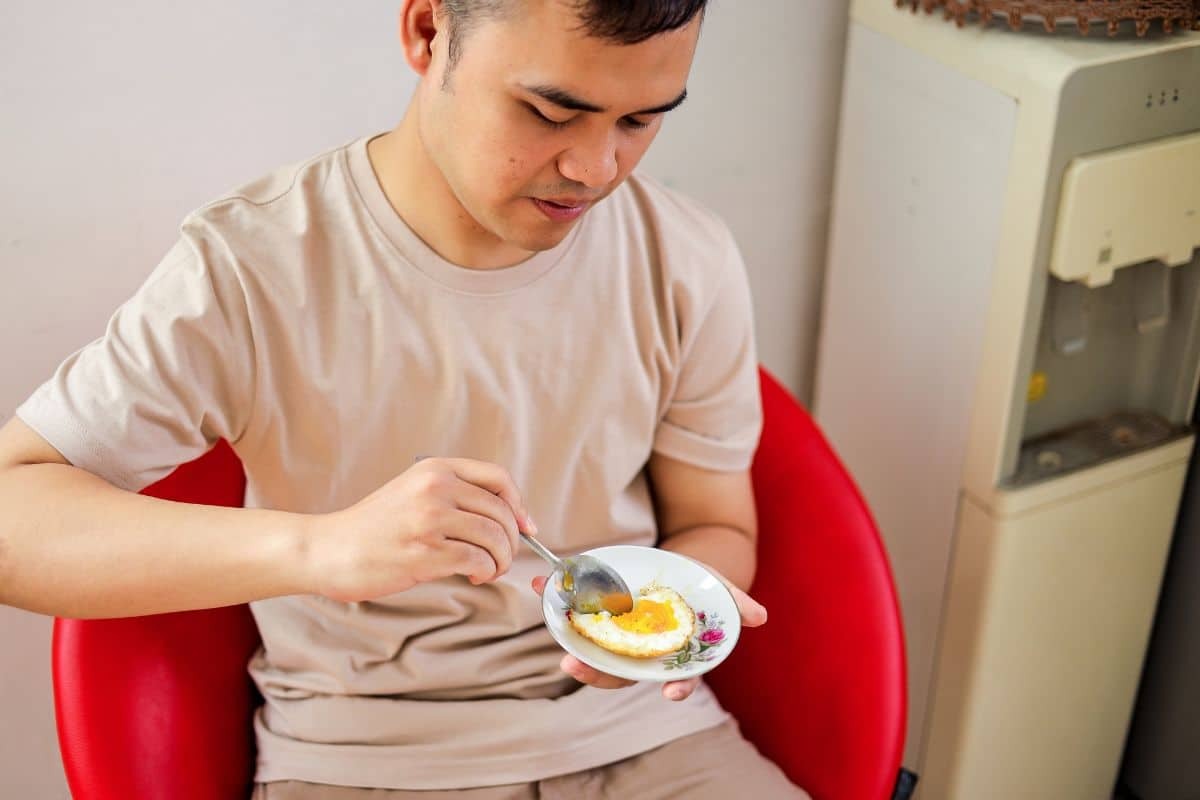
Getting braces is an exciting step toward a straighter smile, but the first few days can come with an adjustment period. If your teeth feel tender when chewing, you’re not alone. The best foods for sore teeth after the treatment are soft, nutrient-rich options such as yogurt, scrambled eggs, oatmeal, smoothies, mashed potatoes, soft pasta, and cooked vegetables. These foods reduce pressure on sensitive teeth while helping you maintain proper nutrition during the early stages of treatment.
According to the U.S. National Institute of Dental and Craniofacial Research, approximately 4 million people in the United States wear braces. One of the most common questions orthodontic patients ask is what they can comfortably eat during the first week of treatment.
At Dunn Orthodontics, Dr. Marc Dunn and his team help patients understand how everyday habits, including food choices, can improve comfort and support the success of braces in Roseville. With years of specialized training focused exclusively on tooth movement and bite correction, our specialist recommends designs to help patients protect their appliances and keep treatment on track. If you have questions about starting orthodontic treatment, schedule a consultation for personalized guidance and support.
Why Do Teeth Feel Sore After Getting Braces
Teeth often feel sore after the aligners are placed because gentle, continuous pressure is being applied to move them into new positions. This soreness usually peaks during the first few days and gradually improves as your mouth adapts.
This orthodontic appliance creates a controlled force that triggers changes within the bone and supporting structures surrounding your teeth. As the teeth begin moving, the periodontal ligaments that anchor them temporarily become more sensitive. This is why biting into firm foods may feel uncomfortable, even when your teeth look completely normal.
The soreness is usually described as pressure, tenderness, or sensitivity rather than sharp pain. Most patients notice the greatest discomfort during the first three to five days after placement or an adjustment appointment.
What to Anticipate in Your First Week with Braces
Most patients experience a predictable adjustment period during the first week of treatment. Understanding what to expect can help reduce anxiety and make meal planning easier.
Day 1: Pressure Begins
You may notice tightness or mild discomfort several hours after your appointment. Eating softer foods can help prevent unnecessary pressure on sensitive teeth.
Days 2–3: Peak Tenderness
For many patients, soreness is most noticeable during this period. Chewing firmer foods may feel difficult, making soft meals especially helpful.
Days 4–5: Improvement Starts
The teeth and surrounding tissues begin adapting to orthodontic forces. Most patients notice a gradual improvement in comfort.
Days 6–7: Easier Eating
Many people can comfortably return to a wider variety of foods, although hard and crunchy foods should still be avoided.
What Makes a Food Braces-Friendly?
ideal food items require minimal chewing force, provide important nutrients, and reduce the risk of damaging brackets and wires.
When teeth are sore, foods that demand heavy biting place additional pressure on already sensitive structures. The ideal foods are soft enough to chew comfortably while still providing the nutrition your body needs.
Look for foods that are:
- Soft and easy to chew
- Rich in protein
- High in vitamins and minerals
- Gentle on brackets and wires
- Easy to cut into small pieces
Foods that require significant force to bite or chew should generally be avoided during periods of tenderness.
The Best Soft Foods for Sore Teeth After Getting the Treatment
Soft foods help minimize discomfort by reducing chewing pressure while allowing patients to maintain a balanced diet during orthodontic treatment. This is why reliable orthodontic specialists recommend the following items after you get braces in Roseville:
Yogurt
Yogurt is one of the easiest foods to eat when teeth feel tender. It provides protein, calcium, and probiotics while requiring virtually no chewing.
For added nutrition, try mixing in:
- Mashed banana
- Soft berries
- Fruit puree
Oatmeal
Warm oatmeal offers fiber and sustained energy without requiring aggressive chewing. Preparations that are softer tend to be the most comfortable in the initial days.
Smoothies
Smoothies provide an easy way to consume fruits, vegetables, protein, and healthy fats in one meal. They are particularly useful when chewing feels uncomfortable.
Good ingredients include:
- Bananas
- Greek yogurt
- Peanut butter
- Spinach
- Milk
Applesauce
Applesauce provides the benefits of fruit without the hardness of whole apples. Unsweetened varieties help limit unnecessary sugar exposure.
Mashed Potatoes
Mashed potatoes remain a favorite among orthodontic patients because they are filling, easy to eat, and versatile enough to pair with many meals.
Soft Pasta
Well-cooked pasta is gentle on sensitive teeth and can be combined with soft proteins and vegetables for a balanced meal.
Nutrients That Support Healthy Teeth and Gums During the Procedure
A nutritious diet helps support the teeth, gums, and surrounding tissues throughout orthodontic treatment.
| Nutrient | Why It Matters | Soft Food Sources |
| Protein | Supports tissue maintenance | Eggs, yogurt, tofu |
| Calcium | Helps maintain strong teeth | Cottage cheese, yogurt |
| Vitamin D | Supports calcium absorption | Salmon, fortified dairy |
| Vitamin C | Supports gum health | Smoothies, soft fruits |
| Phosphorus | Supports tooth structure | Eggs, dairy products |
Focusing on nutrient-dense foods helps patients maintain overall oral health while their teeth are moving.
Foods That Can Make Soreness Worse
Hard, sticky, crunchy, and chewy foods can increase discomfort and may damage orthodontic appliances.
Certain foods place excessive force on sore teeth or increase the likelihood of broken brackets and bent wires.
Foods to avoid include:
- Ice
- Popcorn
- Hard pretzels
- Whole apples
- Corn on the cob
- Caramel
- Taffy
- Beef jerky
- Hard candies
- Crunchy chips
If you’re craving fruits or vegetables, cutting them into small pieces or cooking them until soft often makes them easier to eat safely.
Smart Dining Choices Around Town During Your First Week
You can still enjoy meals away from home by choosing softer menu options that are gentle on newly adjusted teeth.
Whether you’re stopping for a smoothie after spending time at Maidu Regional Park, enjoying a family outing near The Fountains, or meeting friends for lunch downtown, selecting softer foods can help minimize discomfort.
Look for:
- Smoothie bowls
- Soups
- Soft pasta dishes
- Rice bowls
- Scrambled eggs
- Baked fish
- Yogurt parfaits
Avoid biting directly into crusty sandwiches, burgers, or hard breads. Cutting food into smaller pieces can make eating much more comfortable.
How Long Should You Follow a Soft-Food Diet?
Most patients only need a strict soft-food diet for several days after brace placement or adjustments.
As soreness improves, you can gradually reintroduce more foods. However, certain items remain off-limits throughout treatment because they increase the risk of damaging aligners.
Examples include:
- Popcorn
- Ice
- Hard candies
- Sticky candies
- Whole nuts
Following your orthodontist’s recommendations prevents unnecessary repairs and treatment delays.
Small Food Choices Can Make a Big Difference
The soreness during the initial stage is temporary, but the habits you develop during those first few weeks can influence your comfort throughout treatment. Choosing softer foods, protecting your appliances, and following professional guidance can make the adjustment period easier while supporting efficient tooth movement.
If you are preparing for this teeth alignment procedure or have recently started treatment, a personalized evaluation can help answer your questions and ensure you know what to expect. Visit our dental office in Roseville and schedule a consultation with Dunn Orthodontics to learn more about your treatment options and receive recommendations tailored to your specific orthodontic needs.
Frequently Asked Questions
How long do teeth stay sore after getting braces?
Most patients experience soreness for three to seven days after braces are placed or adjusted. The discomfort gradually improves as the teeth and surrounding tissues adapt to orthodontic pressure.
Can I eat ice cream after getting braces?
Yes. Soft ice cream is generally safe and may temporarily soothe tender teeth. Avoid varieties that contain hard candy pieces, nuts, or other crunchy ingredients.
Are smoothies enough for a meal during braces treatment?
Smoothies can provide balanced nutrition when they contain protein, fruits, vegetables, and healthy fats. Including ingredients such as yogurt and peanut butter helps create a more satisfying meal.
Why do my teeth hurt when I chew after getting braces?
The pressure used to move teeth temporarily increases sensitivity within the supporting tissues. Chewing places additional force on those areas, which can make teeth feel tender.
Can adults experience more soreness than teenagers?
Both adults and teenagers can experience orthodontic discomfort. Individual pain tolerance, treatment complexity, and the amount of tooth movement often influence how soreness feels.
Is soup a good food choice after braces adjustments?
Yes. Soup is easy to eat and requires very little chewing. Choosing soups that contain soft vegetables and proteins can also help maintain good nutrition.
When should I call my orthodontist about pain from braces?
Contact your orthodontic office if pain becomes severe, worsens instead of improving, or is accompanied by a broken bracket, loose appliance, or poking wire.
Recent Posts
May 27, 2026
Our Roseville Orthodontist’s Guide to Eating With New Braces
May 19, 2026
5 Common Invisalign Problems & How to Manage Them
May 13, 2026
Thinking About Invisalign? Here’s How the Process Works
May 8, 2026
Why Roseville Locals Are Turning To Orthodontics For Better Oral Health?
April 22, 2026
Can Invisalign Really Fix Crossbite- Here’s What Roseville Patients Should Know
Categories
Braces (25)